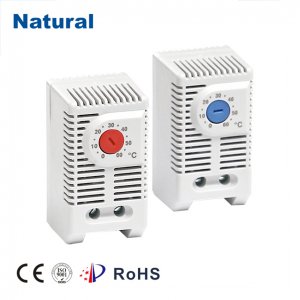
In today’s technologically advanced world, maintaining optimal temperature control is essential across various industries and applications. Among the myriad devices designed to accomplish this task, the differential thermostat stands out as a highly effective solution. This article explores the principles, applications, and benefits of differential thermostats, highlighting their significance in modern temperature regulation.
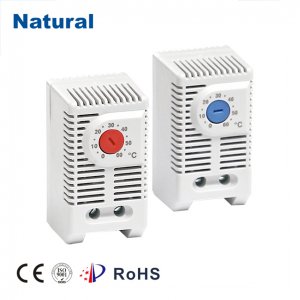
What is a Differential Thermostat?
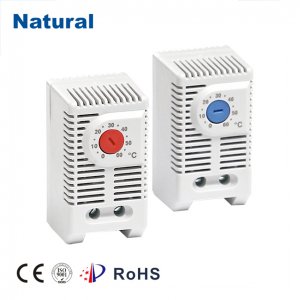
A differential thermostat is a type of temperature control device that compares the readings from two temperature sensors. Unlike conventional thermostats, which typically manage a single temperature point, differential thermostats are designed to monitor temperature differences between two specific locations. This unique feature allows them to provide more precise temperature control and enhance energy efficiency. Working Principles The core operation of a differential thermostat involves two temperature sensors, which can be thermocouples, thermistors, or other temperature-sensing elements. These sensors are strategically positioned to measure temperature at two different points, such as the interior of a device and the surrounding environment.