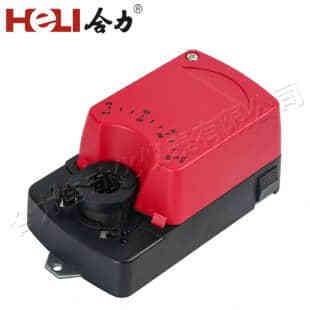
In the realm of climate control systems, particularly within Heating, Ventilation, and Air Conditioning (HVAC) applications, the Damper actuator plays a critical role in regulating airflow and ensuring optimal indoor environments. These devices are essential components in modern automation systems, facilitating precise control of air supply and enhancing system efficiency. This article delves into the functionalities, applications, types, and selection criteria for Damper actuators, shedding light on their significance in various settings.
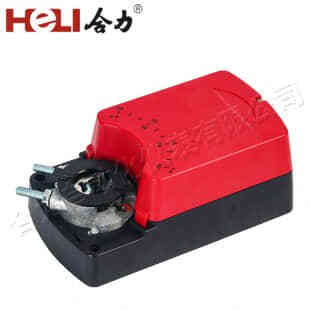
What is a Damper Actuator?
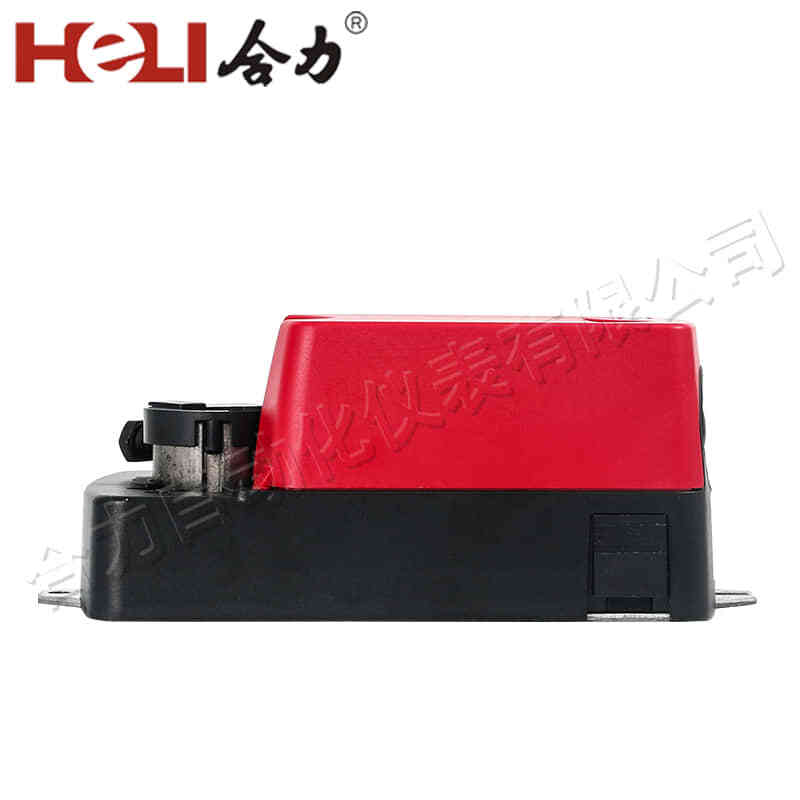
A Damper actuator is essentially a mechanical device that opens or closes dampers within HVAC systems to regulate airflow. A damper is a panel located inside ductwork that can be adjusted to control the flow of air. The actuator operates these dampers based on signals received from a control system, which can be a thermostat, a programmable logic controller (PLC), a building management system (BMS), or more sophisticated environmental sensors. How Does a Damper Actuator Work? The operation of a Damper actuator involves a relatively straightforward process: Receiving Control Signals: The actuator receives control signals from the HVAC system’s controller. These signals dictate the desired position of the damper, compelled by factors such as temperature, humidity, or air quality.