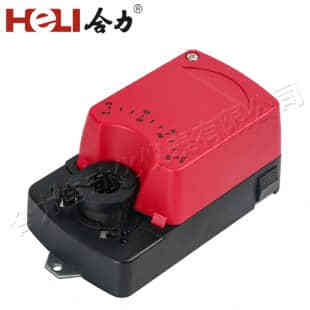
Damper actuators play a pivotal role in the efficient operation of HVAC (Heating, Ventilation, and Air Conditioning) systems, enabling precise control of airflow, temperature, and overall indoor air quality. These devices, used to operate dampers that regulate airflow through ducts and vents, contribute significantly to energy efficiency, comfort, and optimal building performance. This article explores the functionality, types, and applications of damper actuators, shedding light on their importance in modern HVAC systems.
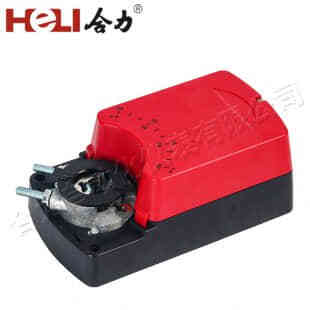
What is a Damper Actuator?
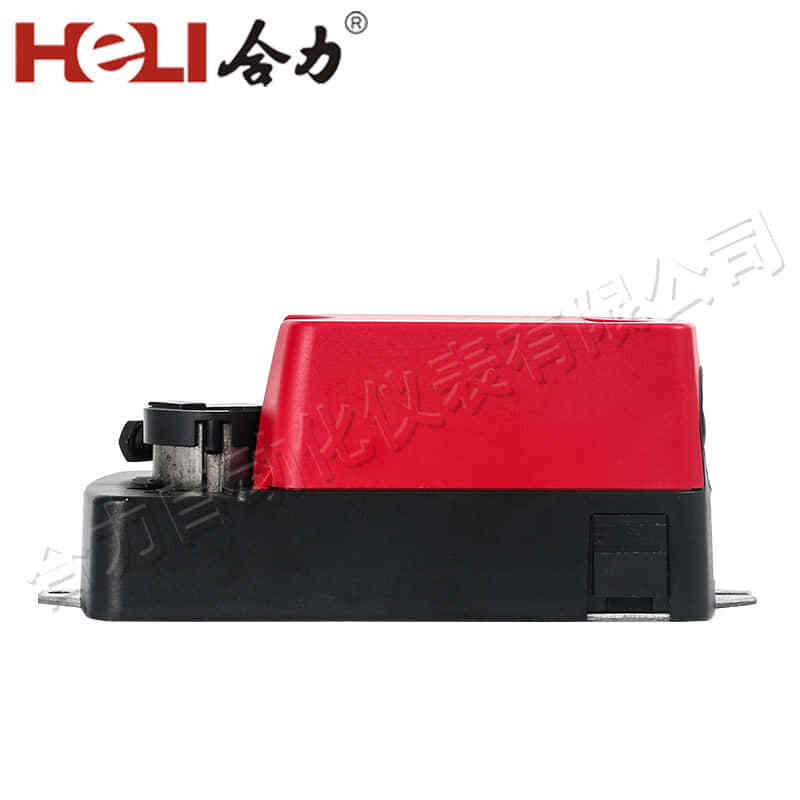
A damper actuator is a mechanical device designed to control the movement of a damper, which is essentially a movable plate or valve in an air duct system. Dampers are used to regulate airflow by either fully or partially opening or closing the duct. The damper actuator drives this movement, ensuring that the airflow is adjusted according to the system’s needs. These actuators can be either electric, pneumatic, or manual, depending on the application. Types of Damper Actuators There are primarily three types of damper actuators used in HVAC systems: Electric Actuators: These are the most commonly used type of actuators, especially in modern HVAC systems. Electric actuators operate via electric motors, which turn the damper mechanism. They are highly reliable, offer precise control, and are relatively easy to integrate with building automation systems (BAS). Electric actuators come in two main types: direct current (DC) and alternating current (AC), each suited to different power and performance needs.