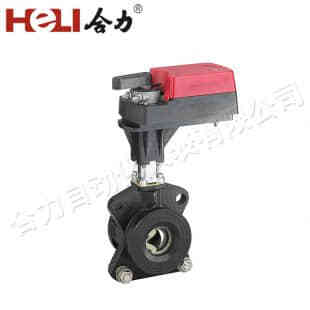
Damper actuators play a critical role in modern heating, ventilation, and air conditioning (HVAC) systems as well as industrial applications that require precise control over airflow, pressure, and temperature. These devices are designed to regulate the position of dampers—mechanical components used to control airflow in ducts, pipes, and ventilation systems. By adjusting the damper, the actuator ensures that air, gas, or liquids are directed efficiently and effectively, contributing to better energy management and system performance.
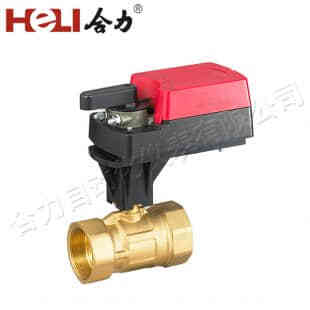
What Is a Damper Actuator?
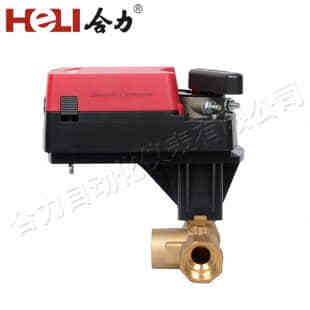
A damper actuator is a mechanical device that uses electrical, pneumatic, or hydraulic power to adjust the position of a damper. Dampers, in turn, are often installed in air ducts or ventilation systems to regulate airflow, maintain system pressure, or modulate the temperature. The actuator receives input from a controller or sensor and translates it into physical movement, which opens or closes the damper to the desired level. These actuators are an integral part of both HVAC systems and various industrial processes, offering precise control to maintain optimal operating conditions. They are essential in maintaining energy efficiency, ensuring airflow quality, and reducing operational costs.