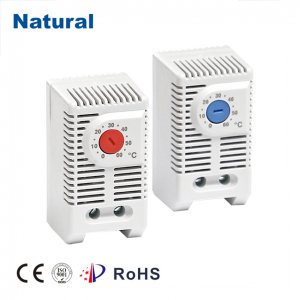
In today’s technology-driven world, maintaining a comfortable indoor climate is fundamentally essential for our quality of life. The control panel thermostat has emerged as a crucial device that not only enhances comfort but also promotes energy efficiency. This article delves into the functionalities, types, advantages, and potential drawbacks of control panel thermostats, explaining why they are an indispensable tool for modern heating, ventilation, and air conditioning (HVAC) systems.
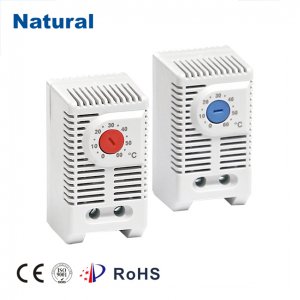
What is a Control Panel Thermostat?
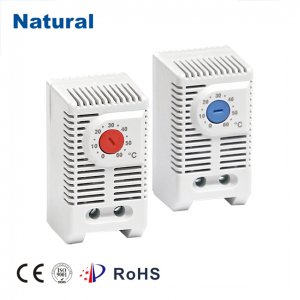
A control panel thermostat is a temperature regulation device that monitors and adjusts the temperature within a building. It serves as the control center for HVAC systems, ensuring that heating or cooling systems operate efficiently to achieve desired indoor temperature levels. Typically, these devices feature a user-friendly interface, allowing for easy adjustments and settings, either directly on the device itself or through a smartphone application, in cases of smart thermostats. Types of Control Panel Thermostats Control panel thermostats are generally categorized into two main types: programmable thermostats and smart thermostats.