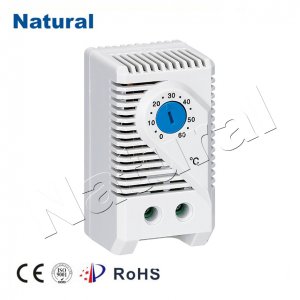
Cabinet thermostats are crucial devices designed to monitor and regulate the temperature within specific environments, such as refrigerators, freezers, laboratory equipment, and other storage units. These devices play a vital role in preserving the integrity of temperature-sensitive items, whether they are food products, scientific samples, or electronic components. This article explores the workings, applications, importance, and maintenance of cabinet thermostats.
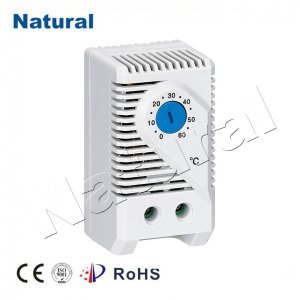
How Cabinet Thermostats Work
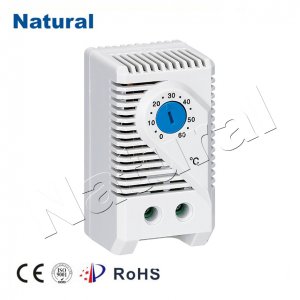
At the core of a cabinet thermostat lies its ability to sense and control temperature variations. The operation of a cabinet thermostat involves several key components: Temperature Sensor: The temperature sensor is a critical element that monitors the internal temperature of the cabinet. It can be made from different technologies, including thermocouples, thermistors, and resistance temperature detectors (RTDs). The sensor continuously provides data to the control unit. Control Unit: The control unit processes the temperature readings received from the sensor. When the temperature deviates from the designated set point, the control unit activates or deactivates the cooling or heating system (such as a compressor or heating element) to bring the temperature back within the desired range.