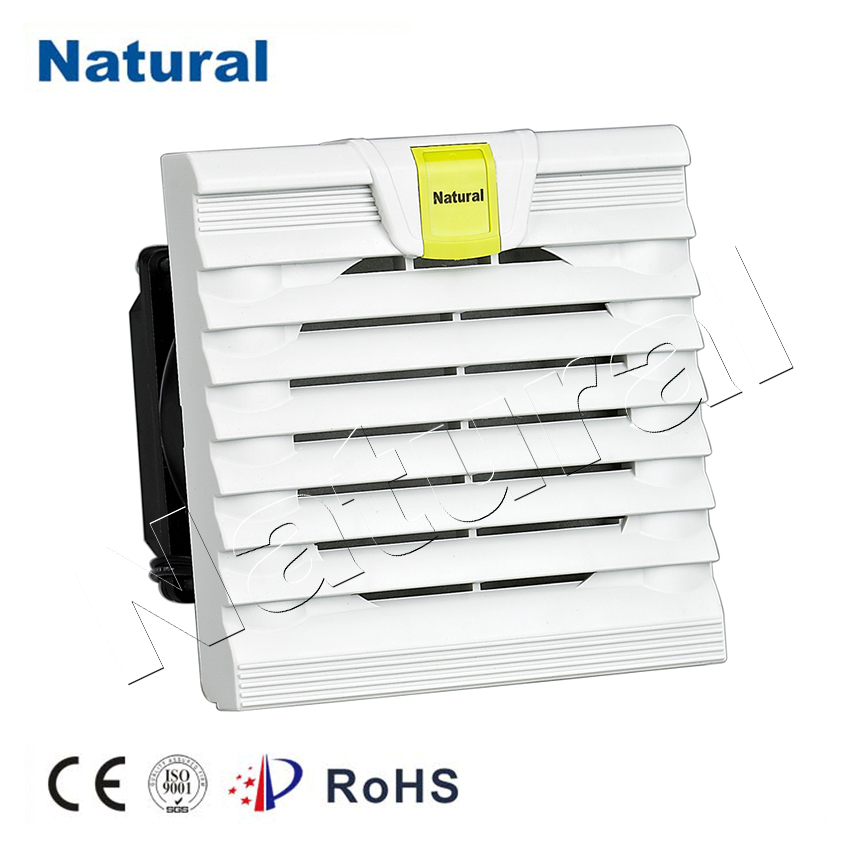
In today’s world, where air quality and efficient operations are crucial in various industries, cabinet filters play an integral role in ensuring that both indoor environments and sensitive equipment remain free from harmful contaminants. These filters are designed to remove dust, particles, and other pollutants from the air, thus promoting healthier environments and improving the longevity and functionality of the machinery they protect. In this article, we will explore the concept of cabinet filters, their applications, benefits, and considerations for selecting the right filter for different needs.
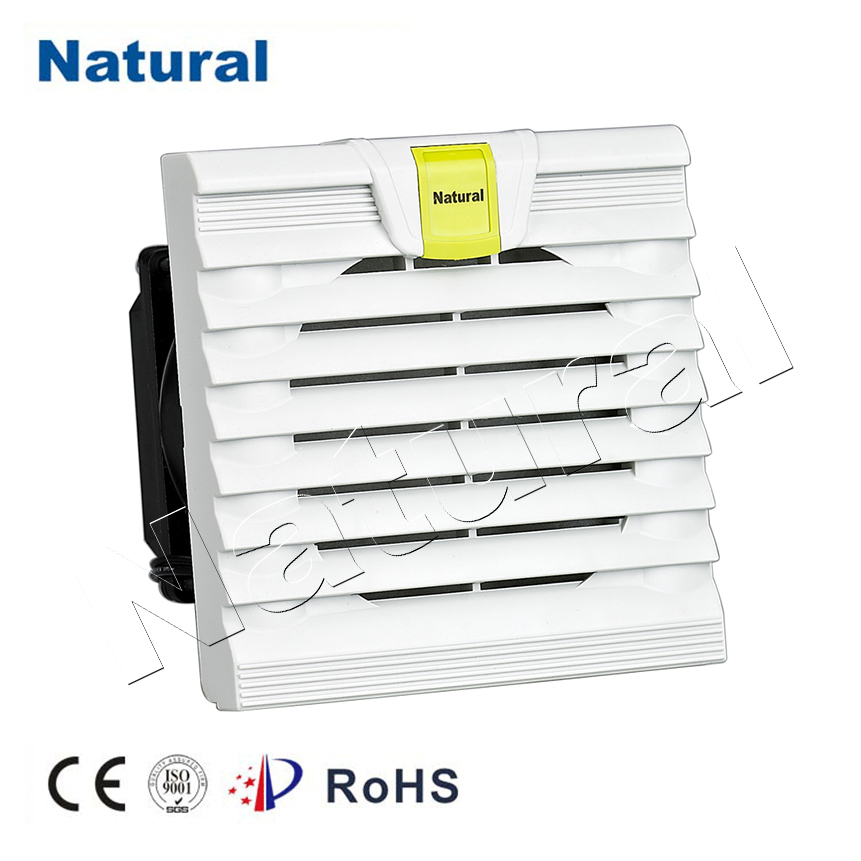
What is a Cabinet Filter?
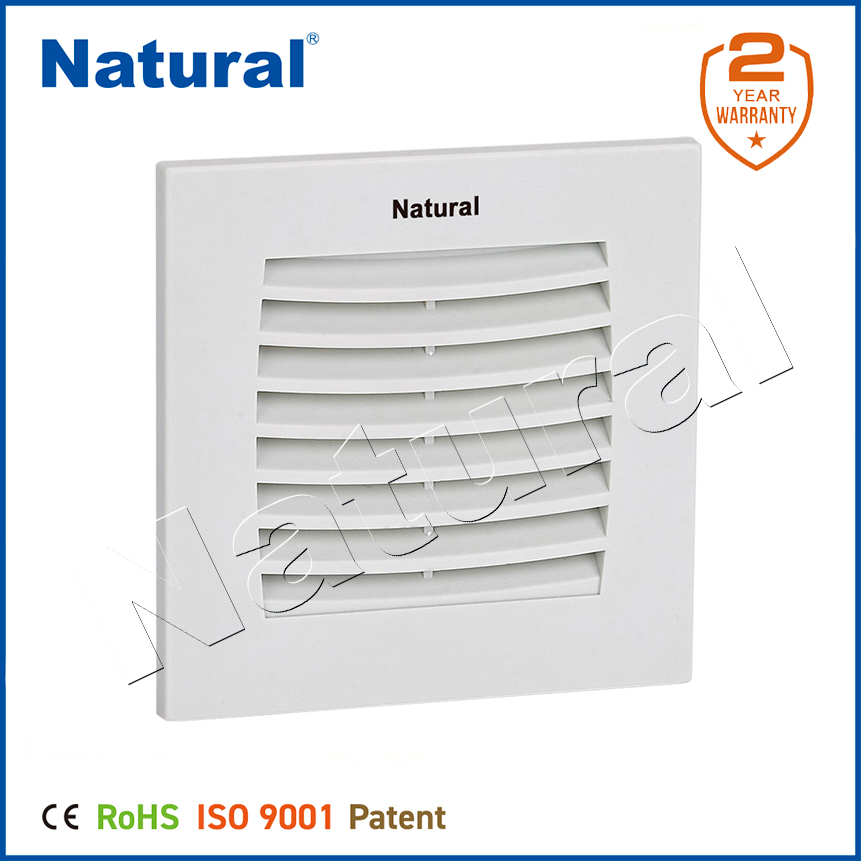
A cabinet filter is a specialized air filtration device used within enclosed cabinet systems. These filters are often placed in the intake and exhaust vents of cabinets housing sensitive equipment such as computers, servers, machinery, or even HVAC systems. The purpose of the cabinet filter is to trap harmful airborne particles, dust, and debris, which could damage sensitive components, cause overheating, or degrade air quality. These filters are particularly essential in environments where cleanliness is a top priority, such as in clean rooms, industrial settings, and data centers. Cabinet filters are typically made of materials like foam, polyester, fiberglass, or HEPA-grade filtration media, each of which is selected based on the filtration requirements of the environment. Some cabinet filters are designed to be washable, while others are disposable, depending on the application and the level of maintenance needed.