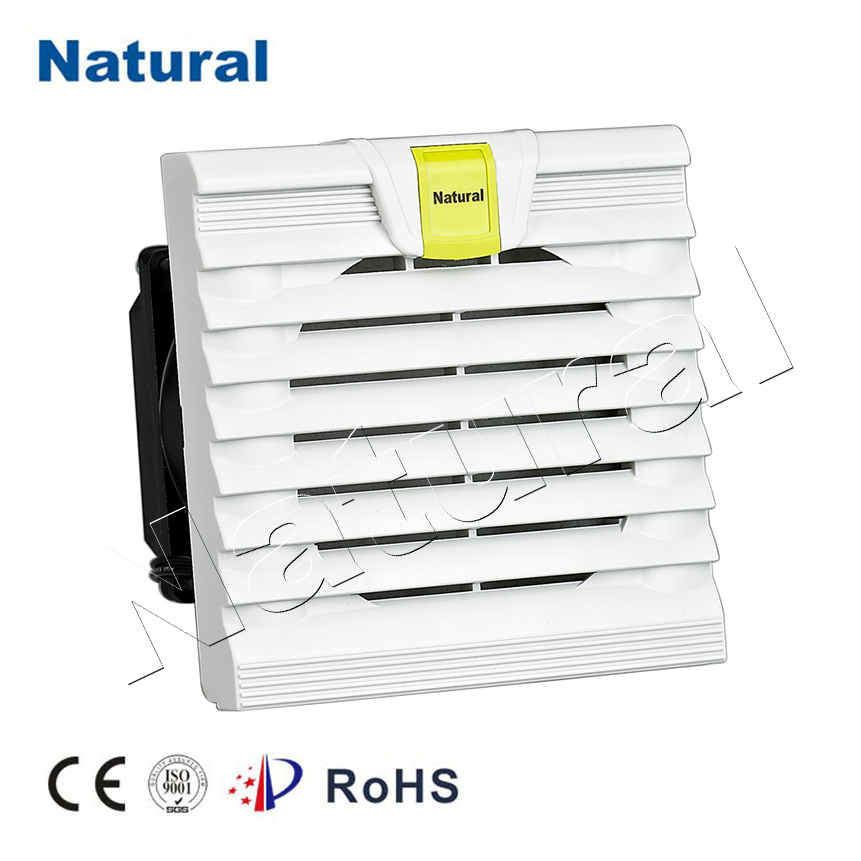
In today’s rapidly evolving industrial landscape, the importance of maintaining clean operating environments cannot be overstated. This necessity becomes increasingly evident when we consider the sensitive equipment and processes that are prevalent in various sectors such as pharmaceuticals, data centers, and manufacturing. A crucial component in promoting cleanliness and efficiency in these environments is the cabinet filter. This article delves into the concept of cabinet filters, discussing their functionality, types, applications, and maintenance.
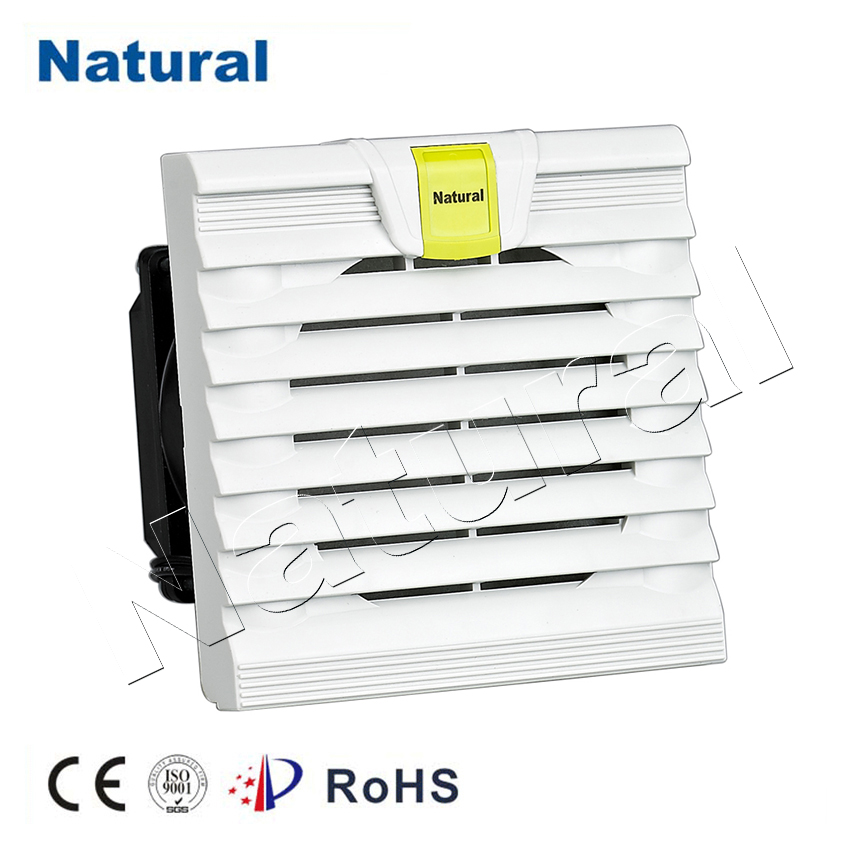
What is a Cabinet Filter?
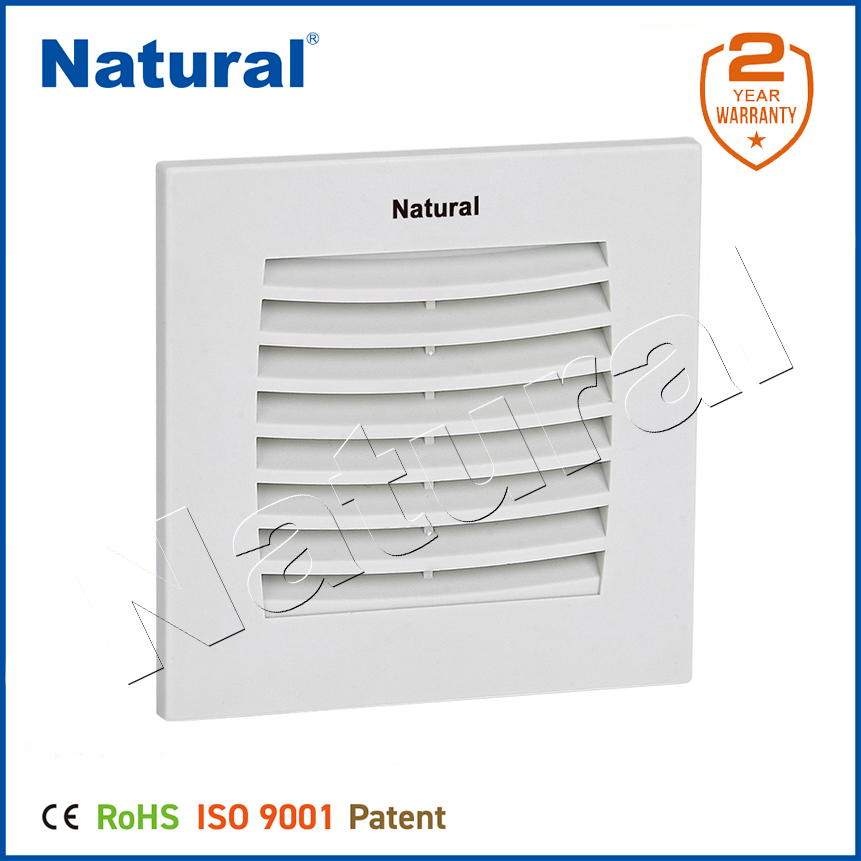
A cabinet filter is a specialized air or liquid filtration system designed to be integrated into a cabinet or enclosure. Its primary role is to protect sensitive equipment from dust, particulate matter, and other contaminants. By effectively filtering airborne pollutants or liquid impurities, cabinet filters extend the lifespan of machinery, enhance operational efficiency, and contribute to a healthier environment for personnel. Types of Cabinet Filters Cabinet filters come in various types, each engineered to suit specific needs: Air Cabinet Filters: These filters are primarily used to cleanse the air entering a confined space. They are crucial in environments like data centers, where even the tiniest particle can disrupt sophisticated machinery. Commonly employed technologies include HEPA (High-Efficiency Particulate Air) filters, which can capture 99.97% of particles as small as 0.3 microns, and ULPA (Ultra-Low Penetration Air) filters for even finer particulates.