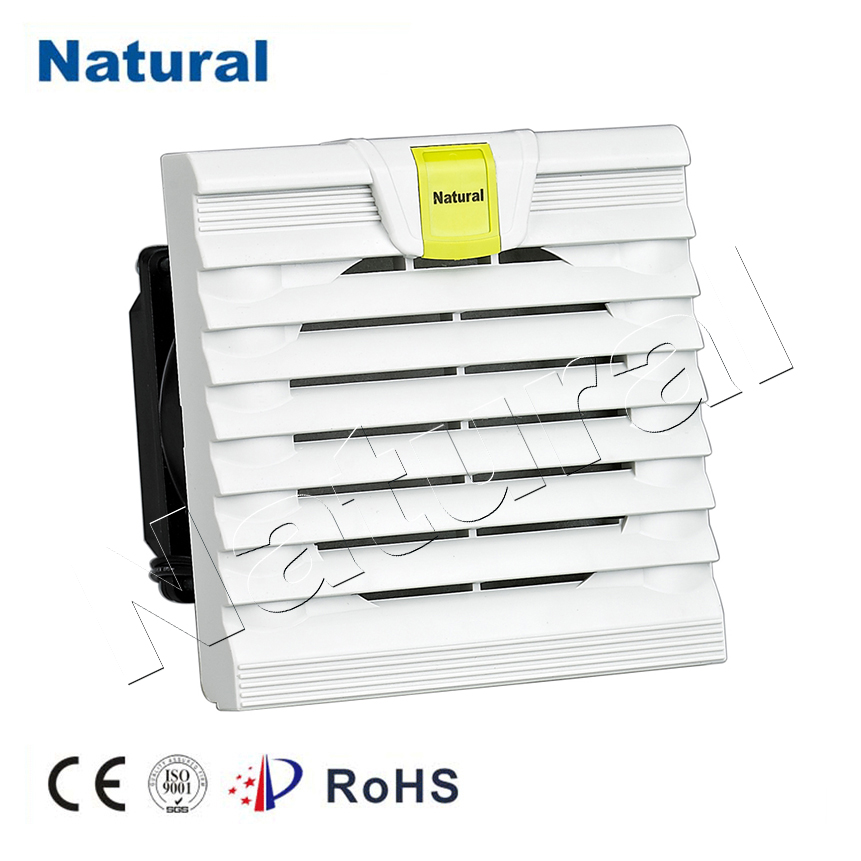
In today’s technological landscape, efficient cooling solutions are paramount for maintaining the optimal performance of electronic devices. Among the various cooling mechanisms available, cabinet fans and filter fans play crucial roles in ensuring that equipment remains within safe operating temperatures. This article explores the functions, applications, advantages, and differences between cabinet fans and filter fans, providing insights into their importance in various settings.
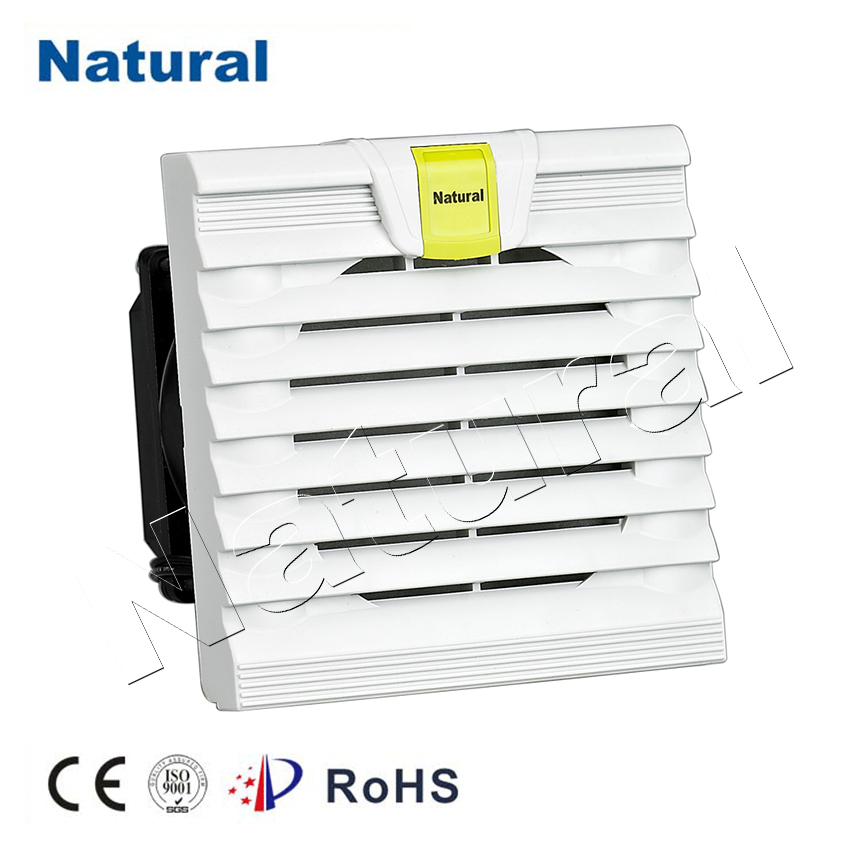
Cabinet Fans
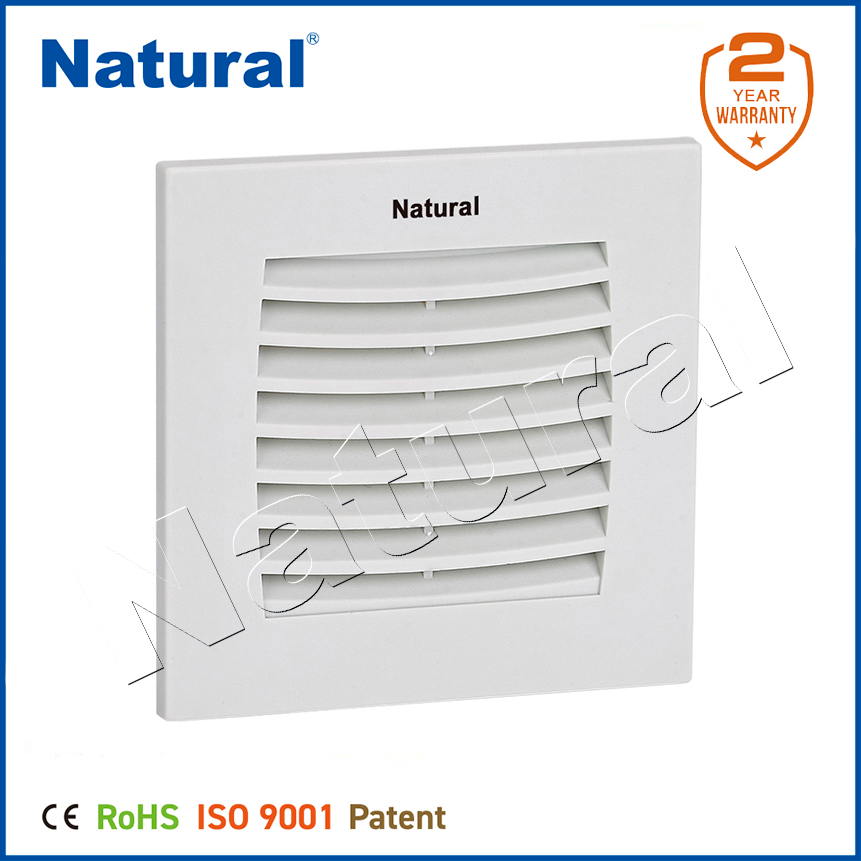
Cabinet fans, often referred to as enclosure fans, are designed to improve airflow within electronic cabinets or enclosures. Their primary function is to dissipate heat generated by electronic components, preventing overheating and ensuring longevity and reliability. The internal components of servers, telecommunications equipment, and power distribution systems generate significant heat during operation. As these temperatures rise, cabinet fans assist in maintaining a cool environment by pushing or pulling air through the enclosure. One of the key advantages of cabinet fans is their ability to enhance ventilation, which in turn lowers the temperature of critical components. These fans are often equipped with variable speed controls, enabling them to run at different speeds based on the thermal load. Additionally, they come in various sizes and designs, making them suitable for different cabinet configurations. A well-placed cabinet fan can significantly reduce the risk of thermal-related failures and improve the overall efficiency of electronic systems.