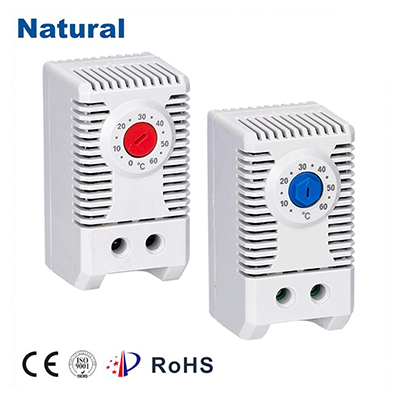
Bimetal thermostats are widely used devices that play a crucial role in various heating, ventilation, and air conditioning (HVAC) systems. These thermostats utilize the principles of thermal expansion in two different metals to control temperature settings effectively. This article delves into the structure, functionality, benefits, and applications of bimetal thermostats, shedding light on their significance in modern temperature regulation.
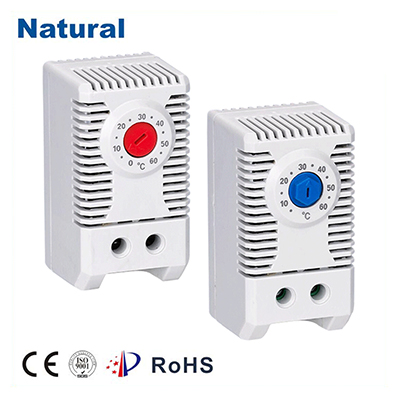
Structure and Mechanism
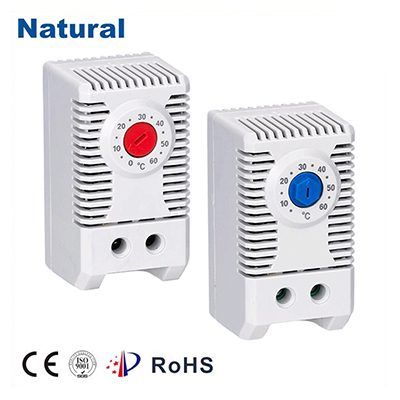
A bimetal thermostat comprises two strips of different metals, usually steel and copper or brass, bonded together. These metals have different coefficients of thermal expansion, meaning they expand and contract at different rates when subjected to changes in temperature. This unique property is the core of how a bimetal thermostat operates. When the temperature rises, the metal with a higher thermal expansion rate expands more than the other one. This differential expansion causes the bimetal strip to bend. Depending on the design, this bending action either opens or closes an electrical circuit, ultimately turning a heating or cooling system on or off. In most designs, a reset mechanism allows the thermostat to return to its original state once the temperature has stabilized, maintaining the desired environment.