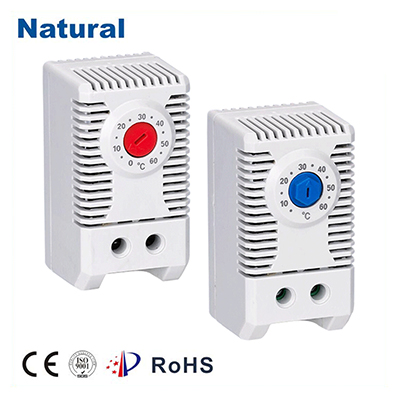
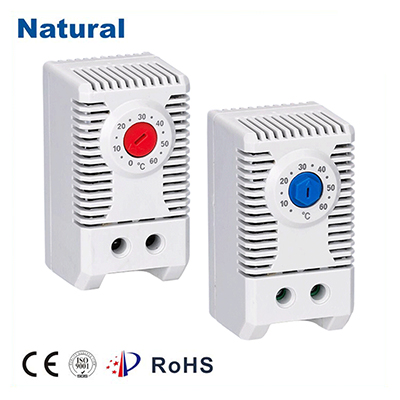
A bimetal thermostat thermostat is a widely used temperature control device that operates on a mechanical principle based on the differential expansion of two metals. This seemingly simple yet highly reliable system is found in a vast array of applications, from household appliances to industrial equipment. In this article, we will delve into the working principle, features, benefits, and common applications of bimetal thermostats, shedding light on why they remain a popular choice in temperature regulation technology.
Working Principle of Bimetal Thermostat Thermostat
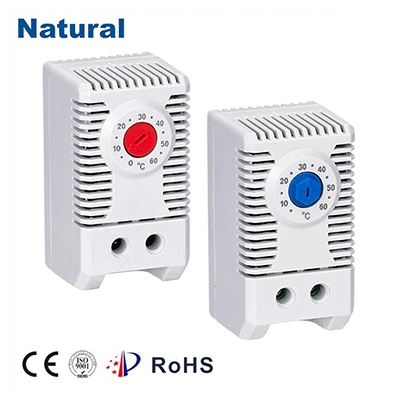
The core mechanism behind a bimetal thermostat thermostat lies in the use of two different metals with varying thermal expansion coefficients. These metals are bonded together to form a bimetallic strip. When the temperature changes, the two metals expand or contract at different rates, causing the bimetallic strip to bend. At low temperatures, the strip remains relatively flat, keeping electrical contacts open. As the temperature increases, the strip bends due to the differing expansion rates of the metals. This bending can cause the thermostat to either open or close a set of contacts, thus triggering or stopping the operation of the connected device.