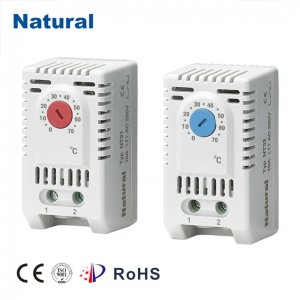
Adjustable mechanical thermostats play a pivotal role in controlling temperature across various applications, from home heating systems to industrial processes. As a traditional yet effective means of temperature regulation, these devices have stood the test of time, remaining relevant in an era dominated by digital and smart technologies. This article delves into the workings, advantages, applications, and limitations of adjustable mechanical thermostats, highlighting their enduring significance in temperature control.
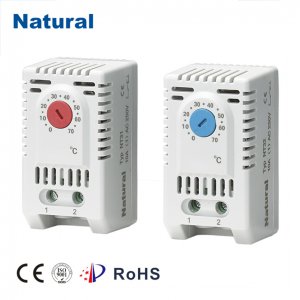
Understanding Adjustable Mechanical Thermostats
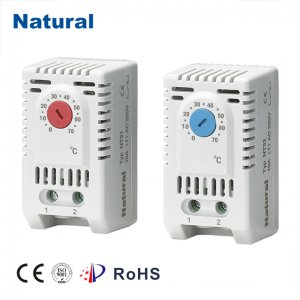
At their core, adjustable mechanical thermostats consist of a temperature-sensing element, a mechanical actuator, and a switch that opens or closes an electrical circuit. The temperature-sensing element, often made of a bimetallic strip or a gas-filled bulb, reacts to changes in ambient temperature. As the temperature shifts, the sensor expands or contracts, causing the actuator to move. This mechanical movement triggers the switch, turning connected heating or cooling systems on or off, thereby regulating the environment to maintain the desired temperature setpoint. The simplicity of design in adjustable mechanical thermostats is one of their standout features, making them easy to operate. Users can set their desired temperature using a dial or lever, making it straightforward to modify the environment according to specific needs.