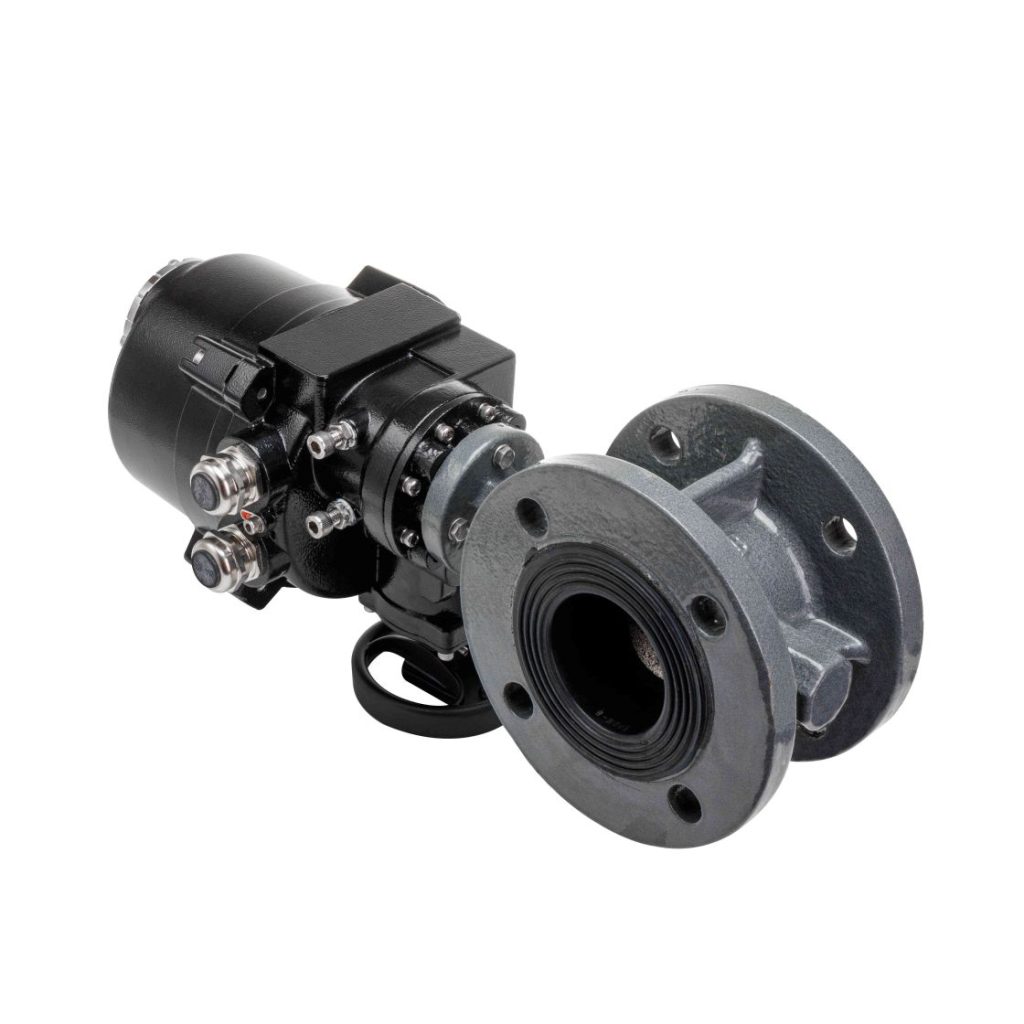
In the world of industrial fluid control, precision, durability, and efficiency are crucial. Among the various valve types used to manage fluid flow, the Stainless Steel Electric Rotary Ball Valve stands out as a reliable and versatile solution. Combining the inherent benefits of stainless steel with the functionality of an electric actuator, this valve type is highly regarded in industries such as oil and gas, water treatment, chemical processing, and HVAC systems.
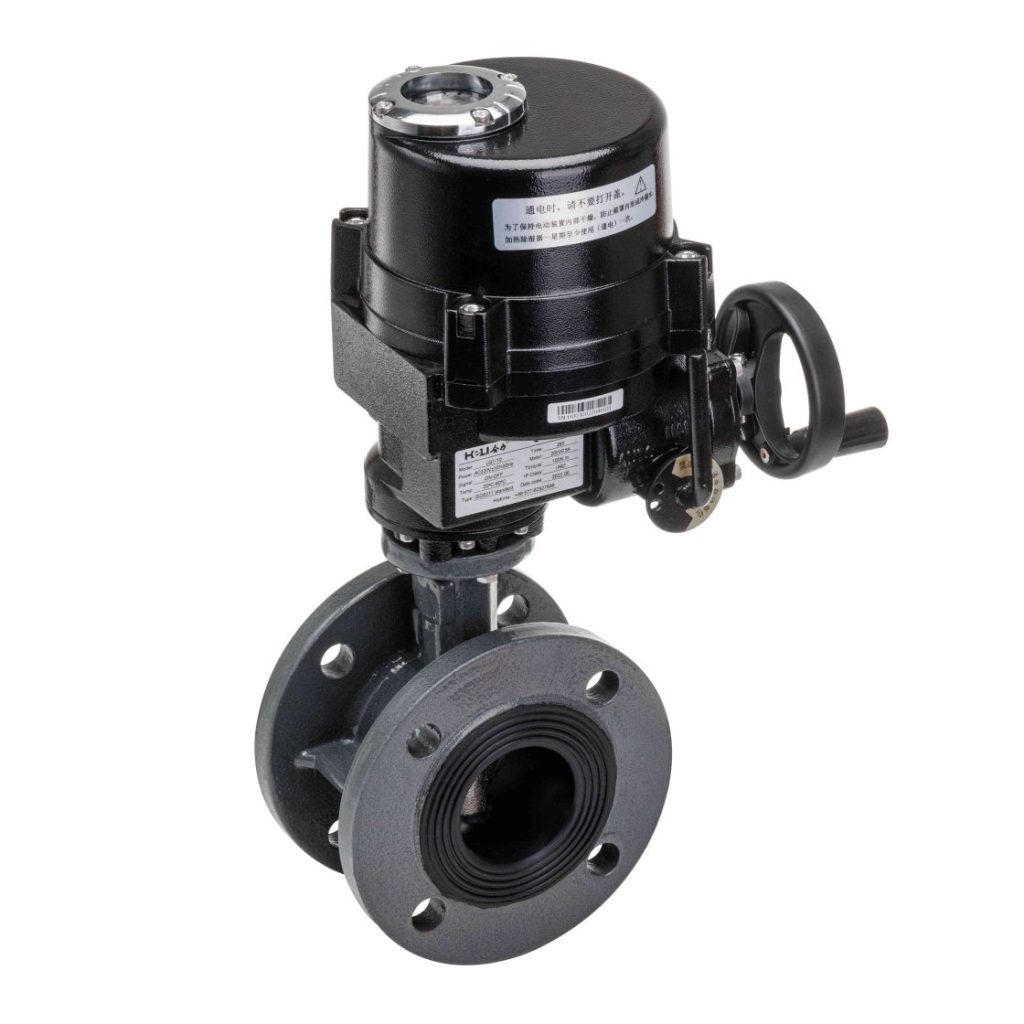
What is a Stainless Steel Electric Rotary Ball Valve?
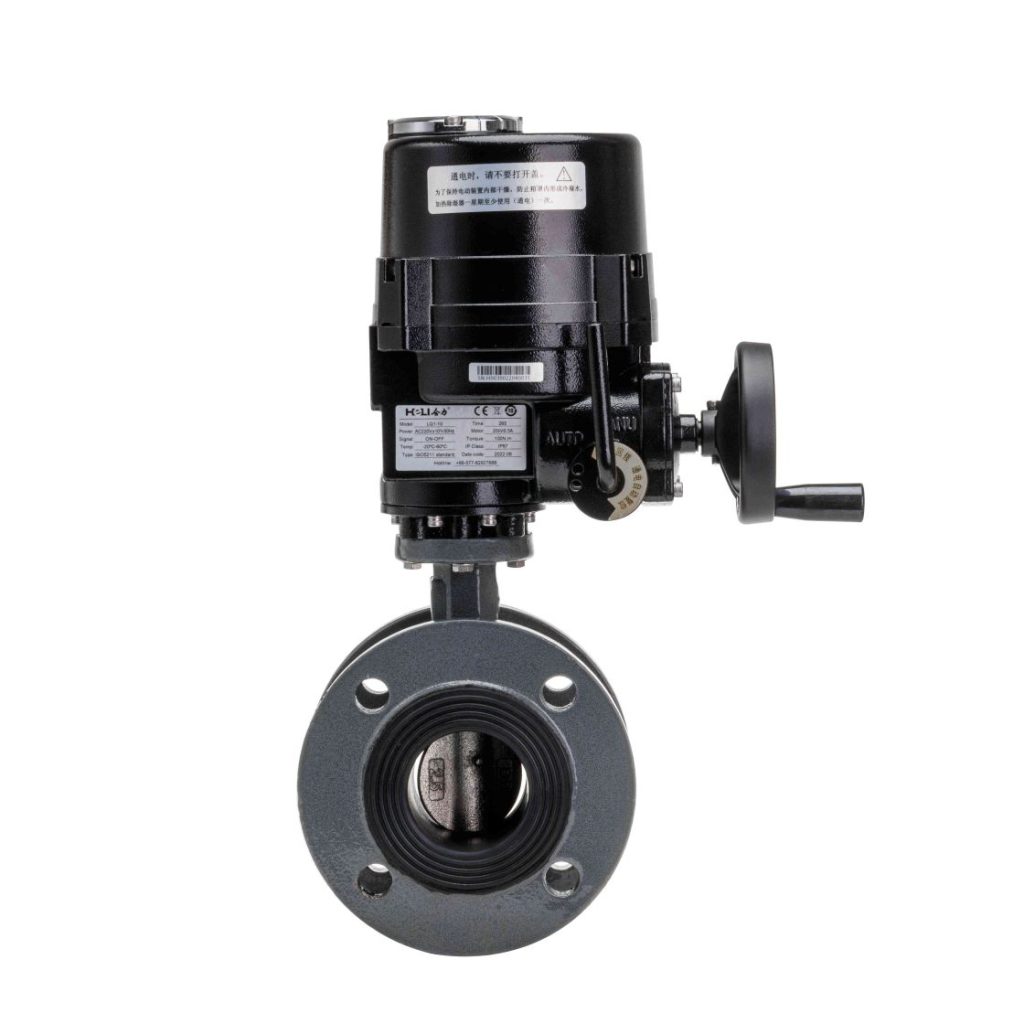
A stainless steel electric rotary ball valve is a valve mechanism that uses a rotating ball to control the flow of liquids or gases in a pipeline. The core component of the valve is a ball, which features a hole through its center (a port). As the valve turns, the ball rotates, either aligning or misaligning the hole with the pipeline, effectively controlling the flow. This rotation is driven by an electric actuator, which is powered by an electric motor and controlled by an external signal, either on/off or modulating. The material of choice for these valves is stainless steel, which provides numerous benefits, including corrosion resistance, strength, and longevity. Stainless steel is particularly effective in harsh environments where other materials may corrode or degrade over time, such as in high-pressure or high-temperature applications.