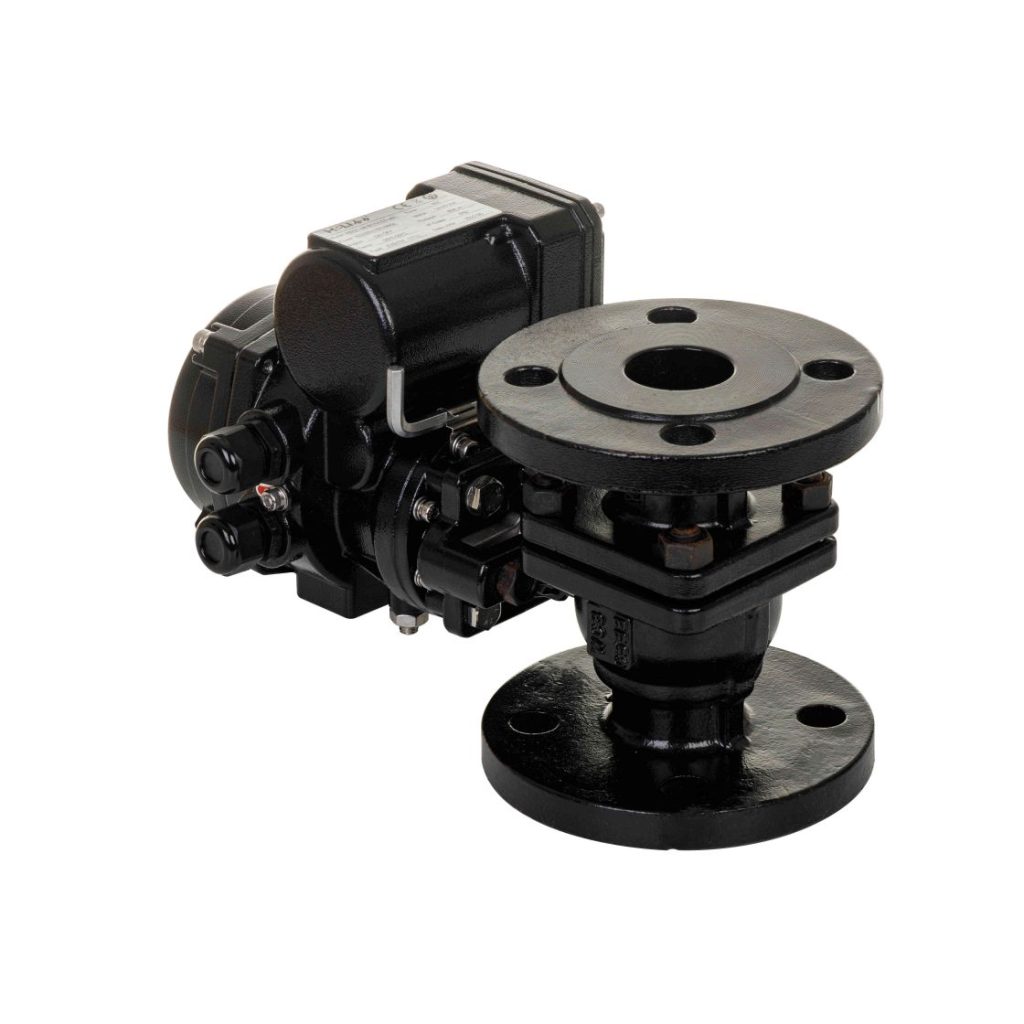
The Stainless Steel Electric Flange Ball Valve has become an essential piece of equipment in modern industrial applications, particularly in sectors that require durability, high performance, and automation. Designed for use in a variety of piping systems, these valves offer superior resistance to corrosion and provide reliable control over fluid flow. With the integration of electric actuators, they combine the advantages of both mechanical and electrical control, ensuring precise and efficient operation.
1. Understanding the Stainless Steel Electric Flange Ball Valve
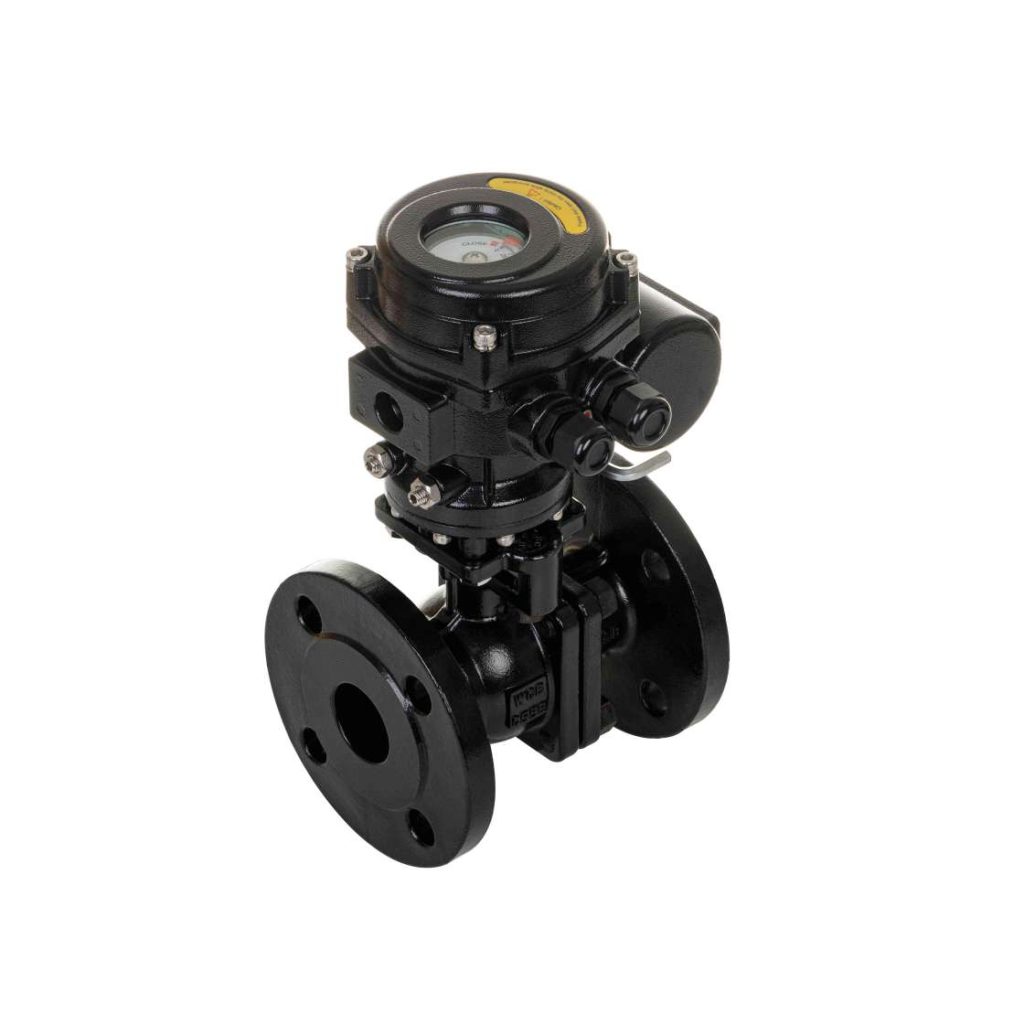
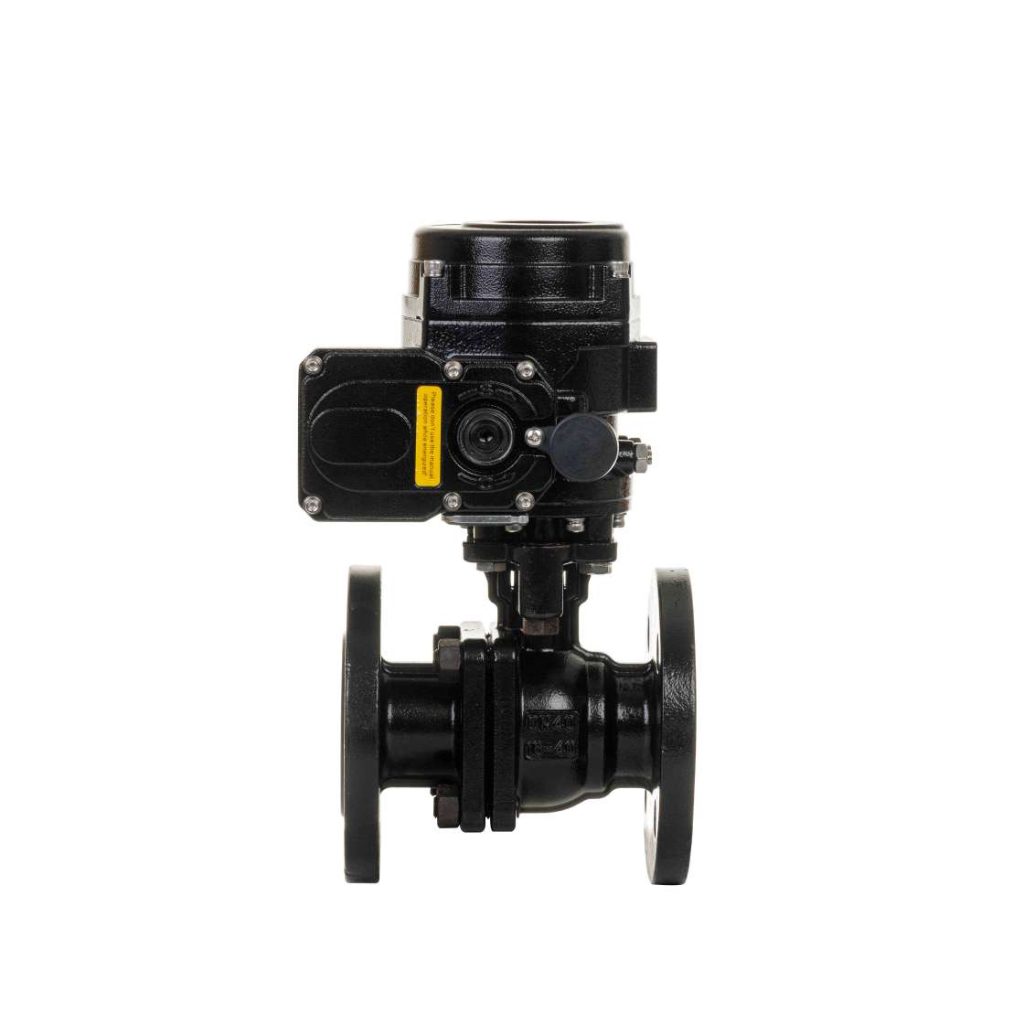
At its core, the Stainless Steel Electric Flange Ball Valve is a device used to regulate or control the flow of liquids and gases in industrial pipelines. The valve features a ball with a hole that rotates to either allow or block the flow of fluid. The ball is typically made of stainless steel, an alloy that is resistant to rust, corrosion, and high temperatures, making it ideal for applications where hygiene, strength, and long service life are critical. The “Electric” aspect of the valve refers to the electrical actuator that controls the valve’s opening and closing. This actuator is powered by electricity and allows for remote or automatic operation. The “Flange” refers to the method of connecting the valve to the pipeline. A flange is a protruding rim or edge, typically equipped with holes, which is used to join the valve to the pipeline securely.