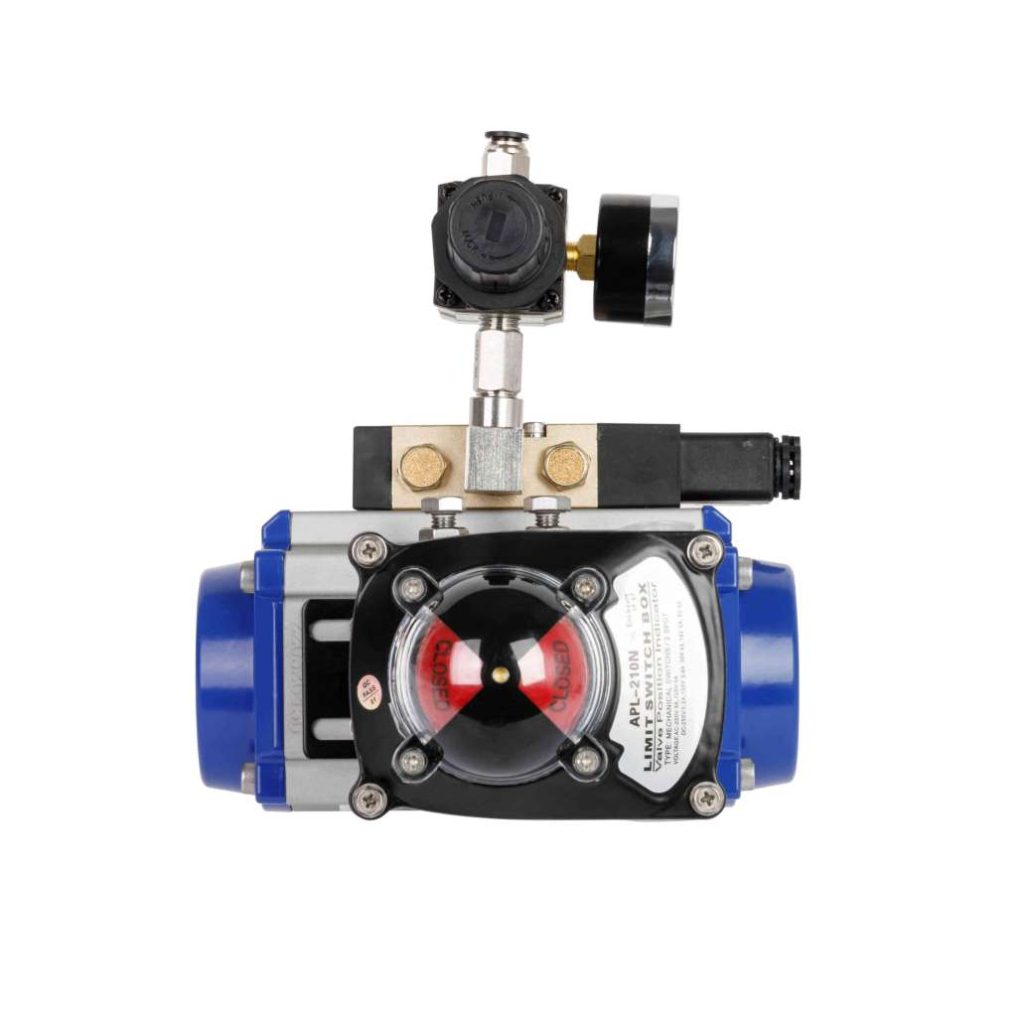
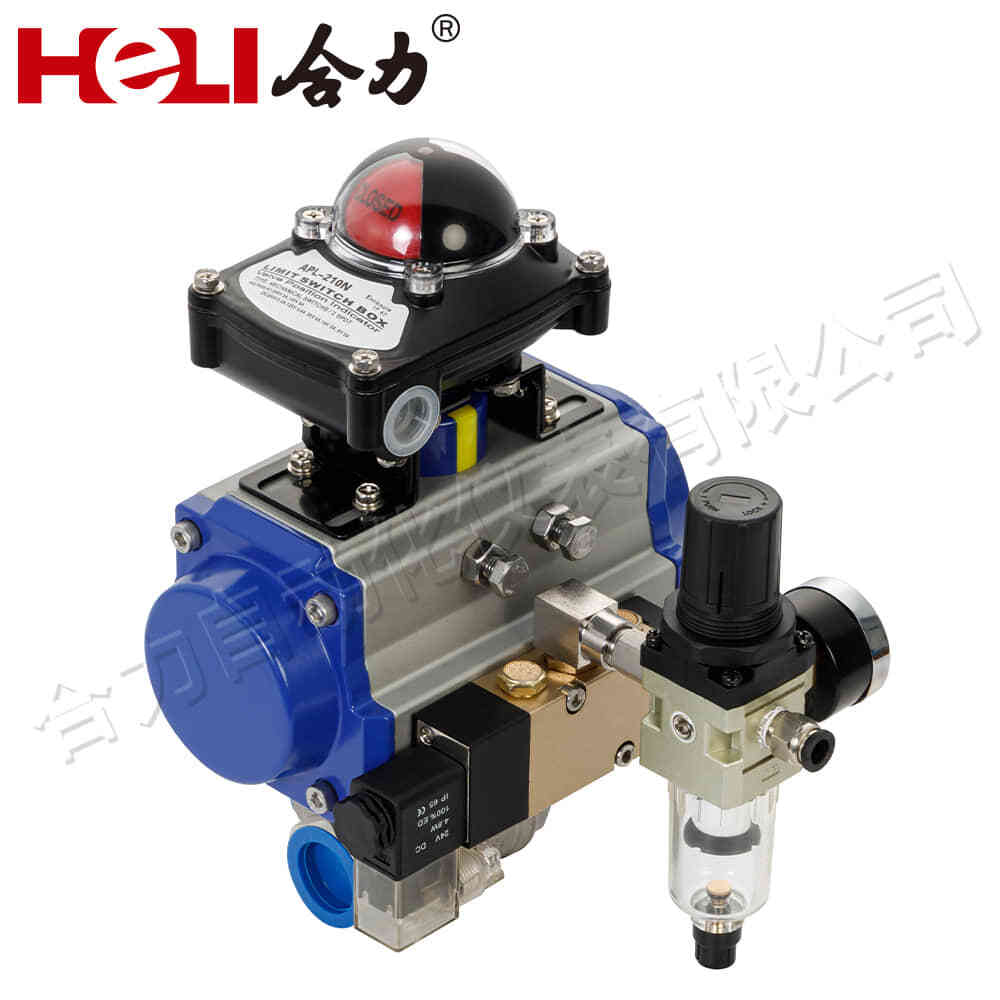
Pneumatic actuators are vital components in the field of automation, serving as the powerhouse behind many industrial processes. These actuators convert compressed air into mechanical motion, enabling a variety of tasks such as lifting, pressing, or rotating. As industries continue to demand more efficient, reliable, and cost-effective solutions, pneumatic actuators have solidified their place in automation systems. Among the key players in this space, Helios Automation has emerged as a leader, offering innovative and high-performance pneumatic actuator systems that significantly enhance industrial operations.
What is a Pneumatic Actuator?
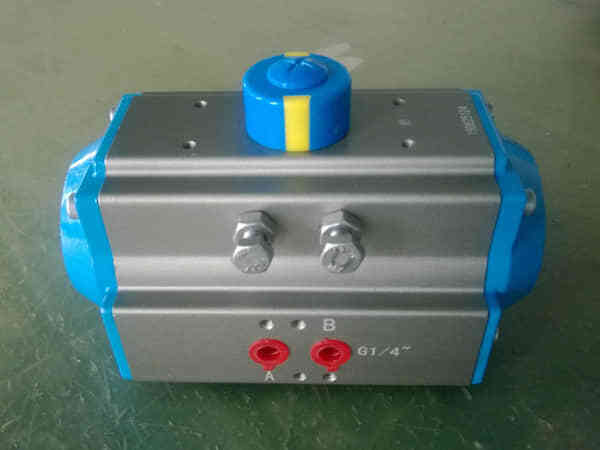
A pneumatic actuator is a device that uses compressed air to create movement. It typically consists of a cylinder with a piston inside that moves when air pressure is applied. The air pressure forces the piston to either extend or retract, producing linear or rotary motion depending on the design of the actuator. These actuators are commonly used in applications where precise and controlled movements are essential, such as in manufacturing, packaging, robotics, and material handling. Pneumatic actuators are often chosen for their simplicity, reliability, and ability to generate significant force relative to their size. Unlike electric actuators, which rely on motors, or hydraulic actuators that use pressurized fluids, pneumatic actuators use air as a medium, which is abundant, inexpensive, and relatively safe.