Lithium-ion batteries are the heart of modern energy storage, from powering smartphones to electric vehicles and even large-scale energy systems. With the ever-increasing reliance on these batteries, ensuring their safety and longevity has become a critical concern. One of the key components that play a crucial role in this regard is the valve, particularly in lithium battery systems where managing pressure and temperature is paramount. This is where lithium battery valve manufacturers step in, designing and producing valves that help mitigate risks and enhance the performance of lithium-ion batteries.
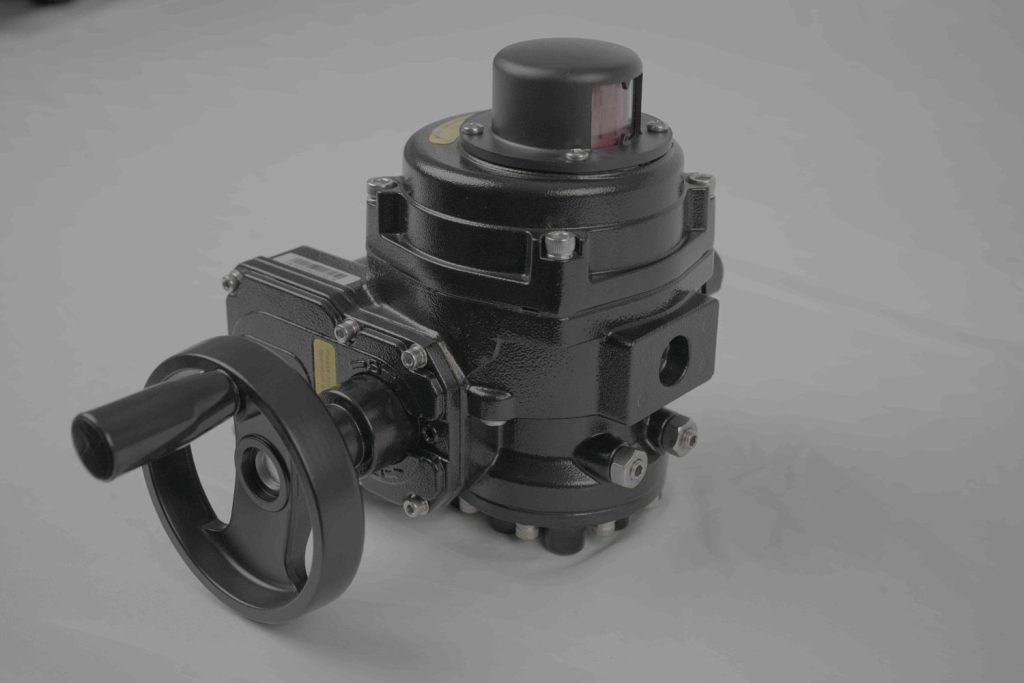
The Importance of Valves in Lithium-Ion Batteries Lithium-ion batteries store energy in a highly pressurized system, and the chemical reactions that take place within them can generate heat. If the temperature and pressure become too high, the battery can become unstable, potentially leading to leakage, rupture, or even fires. Therefore, the inclusion of valves in battery designs is essential for maintaining safe operation. The valves, often referred to as pressure relief valves, function by venting gas or fluid from the battery when internal pressure reaches a dangerous level. These valves are typically incorporated into the battery’s venting system, allowing them to safely release pressure and avoid catastrophic failure. In addition to pressure relief, some valves also perform temperature regulation tasks, contributing to a battery’s overall thermal management.