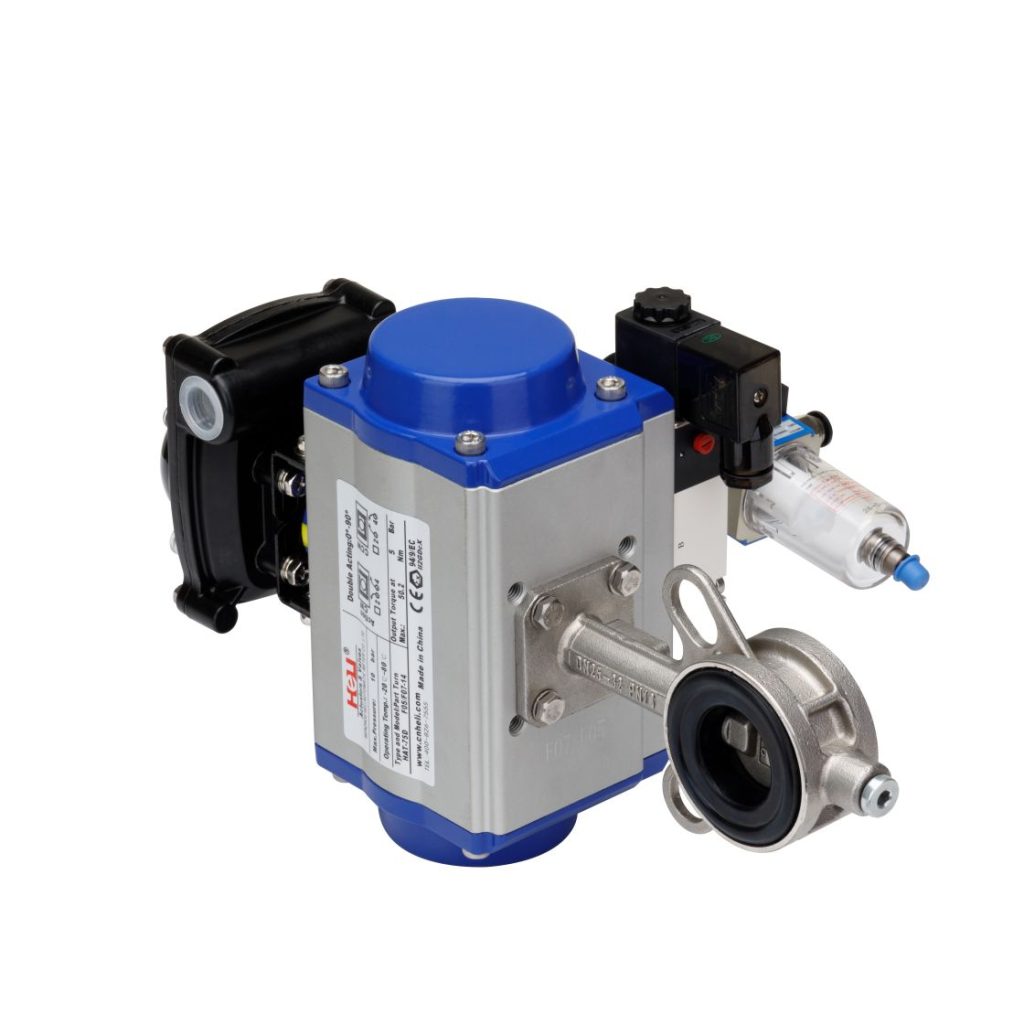
As the world increasingly shifts toward sustainable energy sources, hydrogen energy is gaining significant attention due to its potential to reduce greenhouse gas emissions and provide a cleaner alternative to fossil fuels. Central to the effective use and management of hydrogen energy systems is the pneumatic butterfly valve, a crucial component that plays a vital role in controlling the flow of hydrogen gas. This article delves into the significance of hydrogen energy pneumatic butterfly valves, their design, operation, applications, and the benefits they offer in the context of hydrogen energy systems.
Understanding Hydrogen Energy
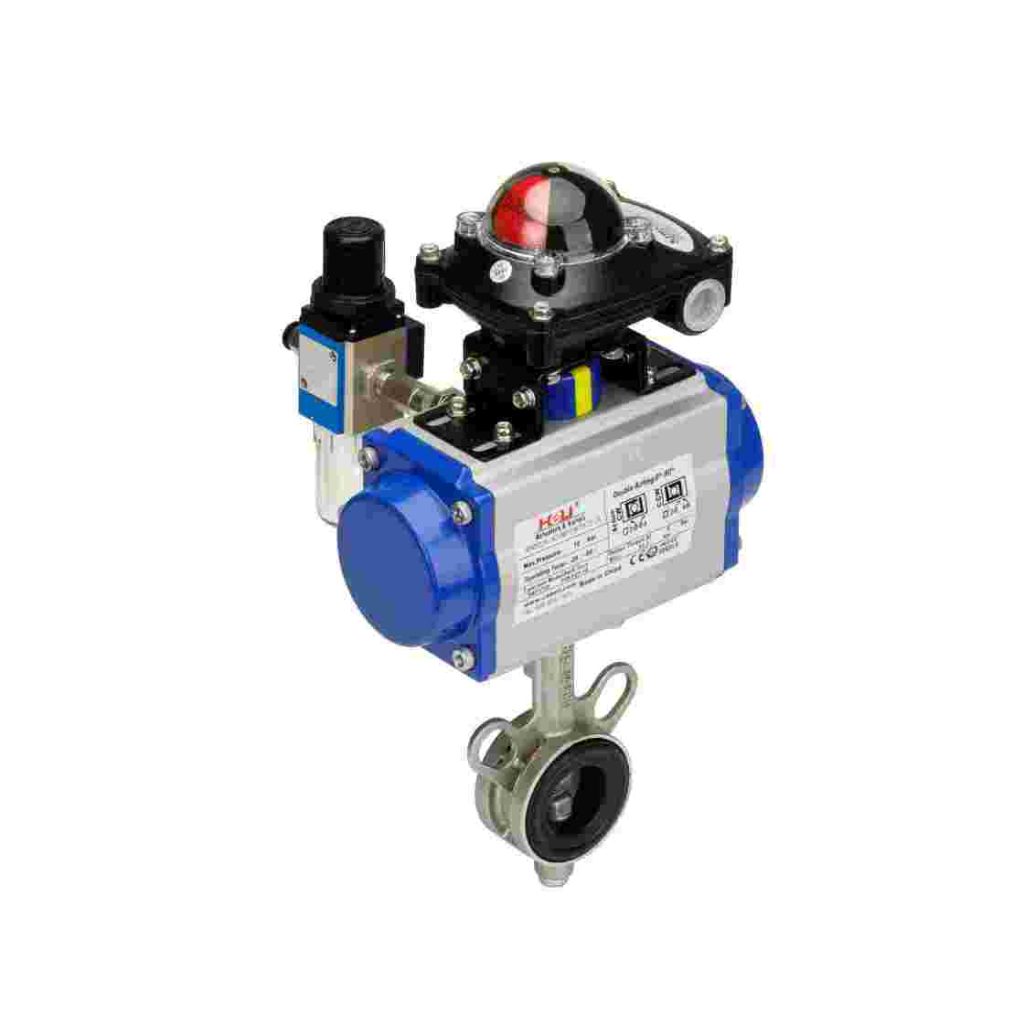
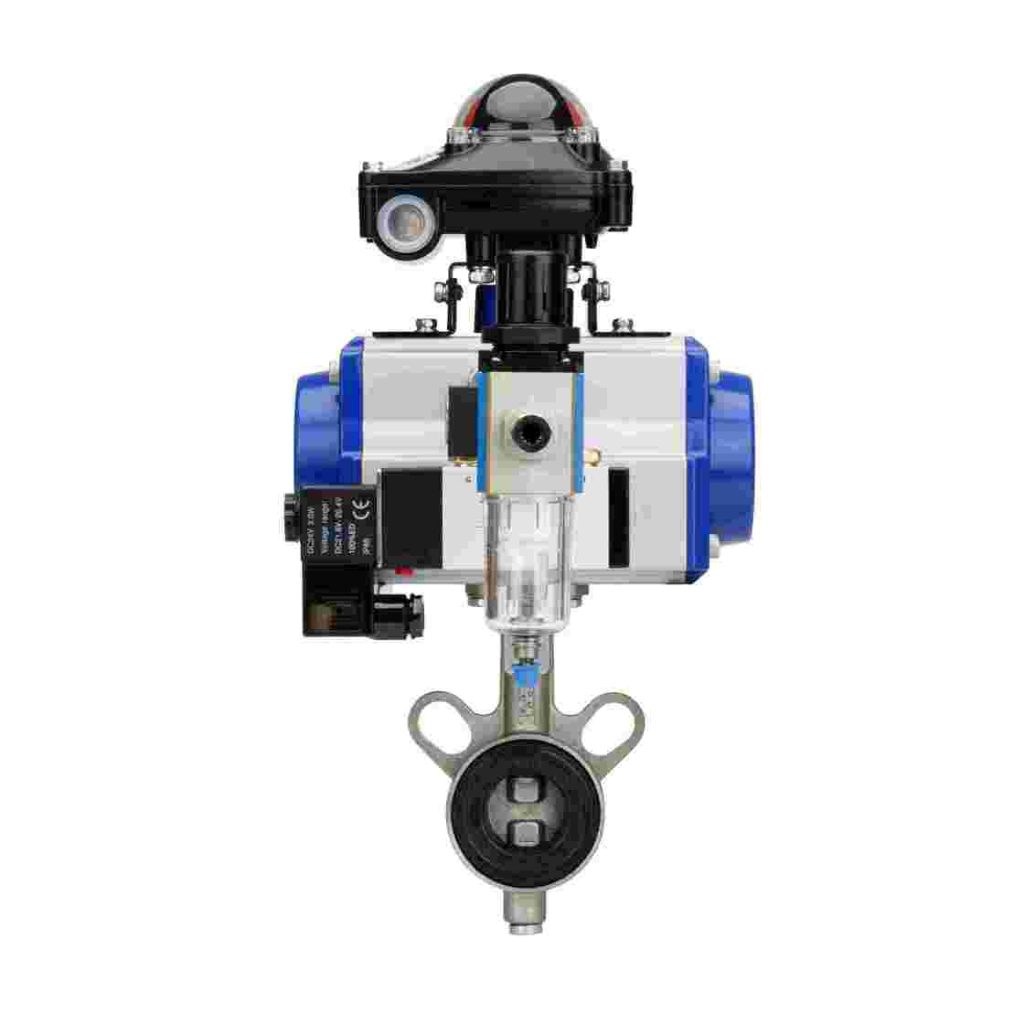
Hydrogen energy is considered one of the cleanest energy sources available. When hydrogen is utilized in fuel cells, it produces electricity, with water as the only byproduct. This makes hydrogen a zero-emission energy carrier, which is particularly appealing as countries strive to meet stringent environmental regulations and reduce their carbon footprints. The versatility of hydrogen allows it to be used in various applications, from transportation and industrial processes to residential heating and power generation. The Importance of Pneumatic Butterfly Valves Pneumatic butterfly valves are widely used in various industries, particularly in applications involving gases and liquids. These valves consist of a circular disc mounted on a shaft, which rotates within the valve body to control the flow of fluid. When the disc is parallel to the flow, the valve is fully open; when it is perpendicular, the valve is closed. Pneumatic operation of these valves allows for quick and efficient control, making them ideal for dynamic systems where flow rates need to be adjusted rapidly.