Hydrogen energy is rapidly emerging as a cornerstone of the global transition to sustainable energy. As nations aim to reduce their carbon footprints and combat climate change, hydrogen offers a versatile and clean alternative to traditional fossil fuels. Among the essential components that facilitate the efficient use of hydrogen in various applications is the electric single seat regulating valve. This article delves into the significance, functionality, and advantages of hydrogen energy electric single seat regulating valves in modern energy systems.
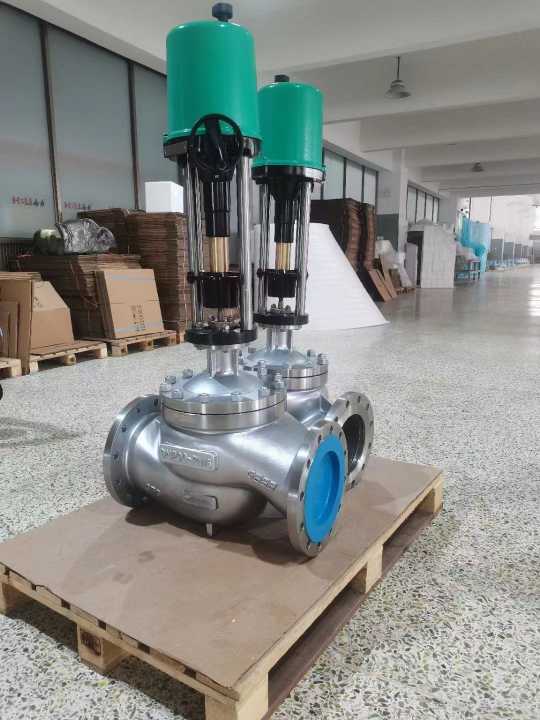
Understanding Hydrogen Energy Hydrogen, the most abundant element in the universe, can be produced from various sources, including water electrolysis, natural gas reforming, and biomass gasification. When used as a fuel, hydrogen generates only water vapor and heat as byproducts, making it an environmentally friendly energy carrier. The increasing interest in hydrogen is fueled by its potential applications across multiple sectors, including transportation, industrial processes, and electricity generation. The Importance of Regulating Valves In hydrogen energy systems, the regulation of flow, pressure, and temperature is crucial for operational safety and efficiency. Regulating valves are vital components that control the flow of fluids within a system, ensuring that the right amount of hydrogen reaches the intended application. Among these, the electric single seat regulating valve has gained prominence due to its precision, reliability, and adaptability.