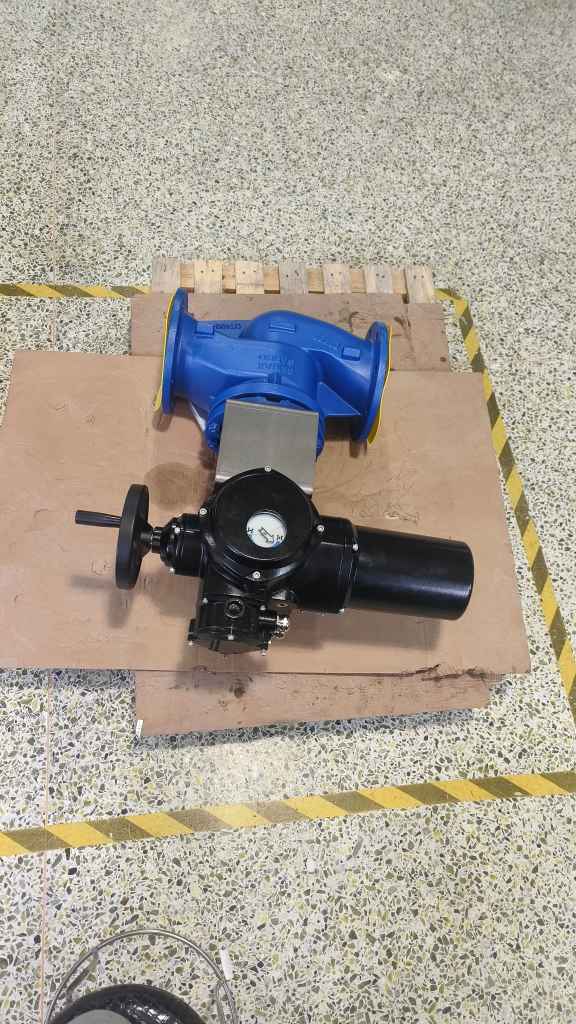
Hydrogen energy, as a clean and sustainable energy source, has gained significant attention in recent years, especially with its potential for use in transportation, industry, and energy storage. One critical component in hydrogen systems, ensuring both safety and operational efficiency, is the hydrogen energy electric shut-off valve. This valve plays a crucial role in controlling the flow of hydrogen, preventing leaks, and ensuring the safe operation of hydrogen infrastructure.
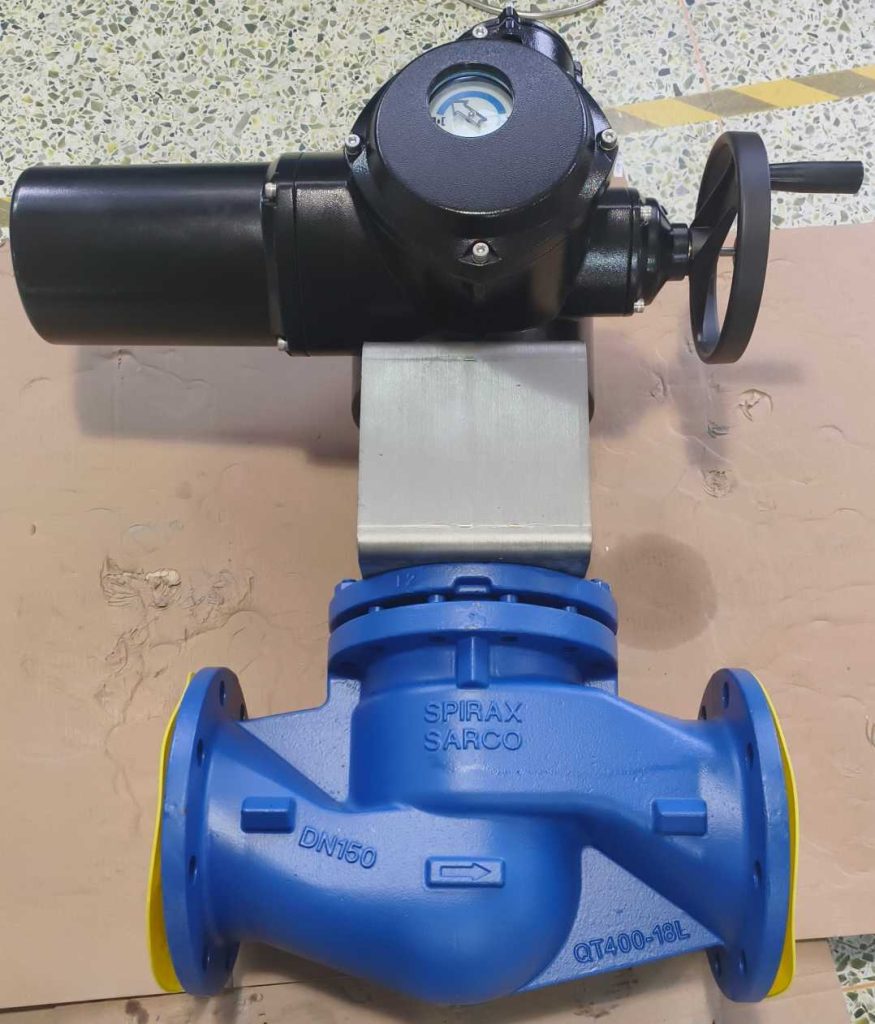
Importance of Hydrogen Energy Electric Shut-Off Valves
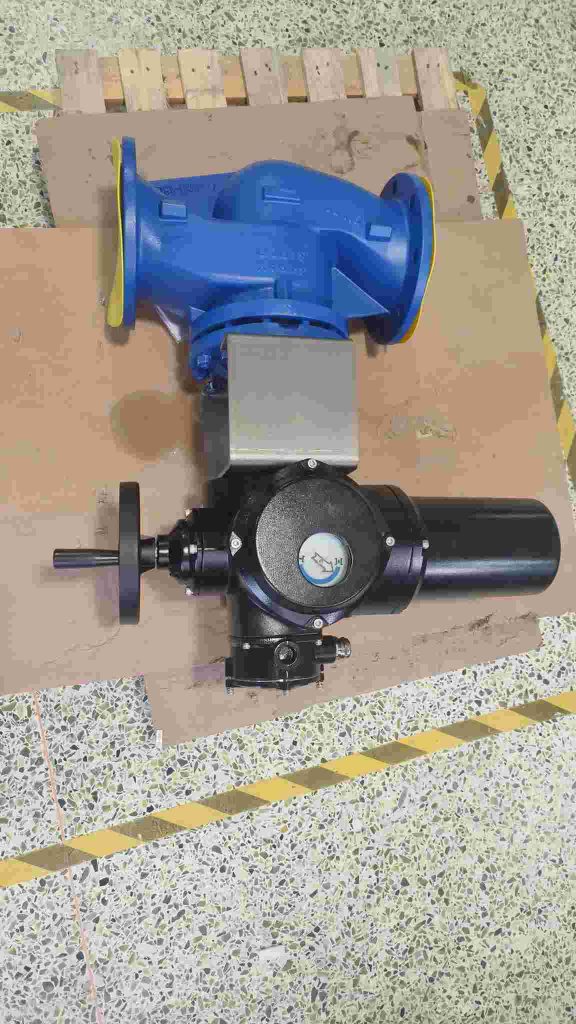
The hydrogen energy electric shut-off valve is a specialized device designed to regulate the flow of hydrogen in various applications, including hydrogen storage, transportation, refueling stations, and fuel cell systems. Unlike conventional gases, hydrogen is highly flammable, and its molecules are small enough to easily escape through minor cracks, which makes safety a primary concern when handling hydrogen. In these scenarios, the electric shut-off valve serves as the first line of defense. It is equipped with an electric actuator that can automatically or remotely open and close the valve, enabling precise control over the hydrogen flow. The ability to remotely control this valve is particularly useful in large-scale hydrogen systems, where operators may not always be on-site or where it is unsafe to manually operate valves in an emergency.