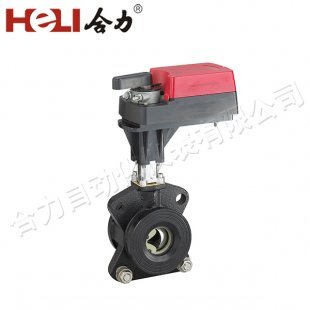
Hydrogen energy, with its potential to revolutionize the way we generate and use power, has gained significant attention in recent years. As the world moves toward cleaner and more sustainable energy systems, hydrogen-powered technologies are becoming a key player in various industries. One such innovation is the Hydrogen Energy Damper Actuator (HEDA), a specialized component that combines the advantages of hydrogen energy with advanced damping technology to optimize performance and reduce environmental impact. In this article, we explore the role of Hydrogen Energy Damper Actuators, their applications, and how they contribute to a greener future.
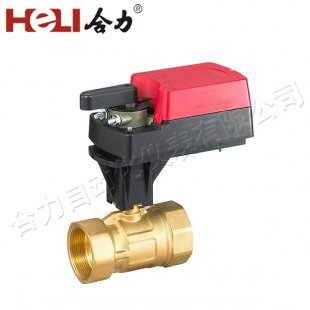
What is a Hydrogen Energy Damper Actuator?
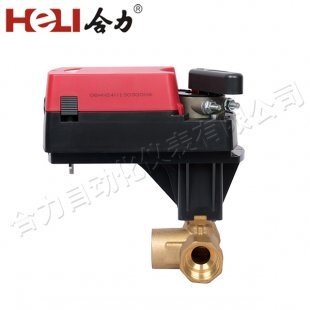
A Hydrogen Energy Damper Actuator is a device that uses hydrogen energy to drive an actuator mechanism designed to control motion, reduce vibration, or absorb shocks in various mechanical systems. These actuators are commonly used in applications that require precise control over dynamic forces, such as automotive suspension systems, aerospace structures, and industrial machinery. The key innovation behind HEDA is the integration of hydrogen-powered energy sources, such as hydrogen fuel cells or compressed hydrogen gas, to operate the actuator. Hydrogen-powered actuators are a significant departure from traditional systems that rely on electrical, hydraulic, or pneumatic power sources. By harnessing the energy potential of hydrogen, these systems offer a cleaner, more efficient alternative, with minimal carbon emissions and improved energy density compared to conventional systems.