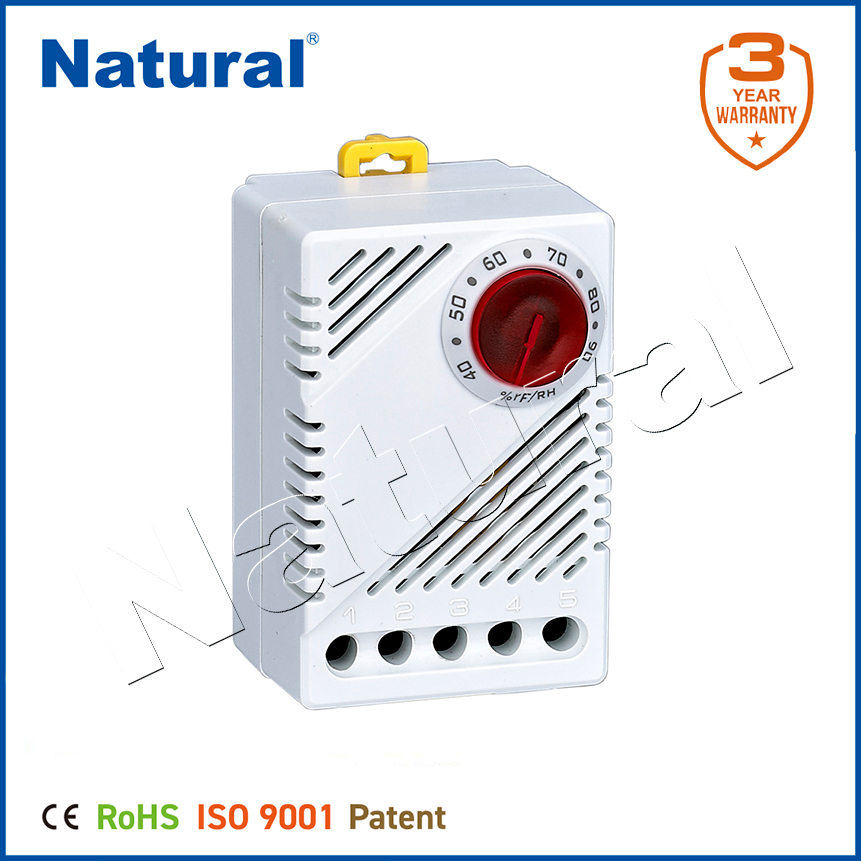
An Electronic Hygrostat is an advanced, precision-engineered device designed to regulate humidity levels in various environments. As the world becomes increasingly aware of the importance of maintaining optimal environmental conditions, the need for efficient humidity control systems has never been greater. The electronic hygrostat, with its ability to automate the process of maintaining ideal humidity levels, plays a crucial role in both residential and industrial applications. This article explores the working principle, benefits, and applications of electronic hygrostats, shedding light on their significance in modern living and working conditions.
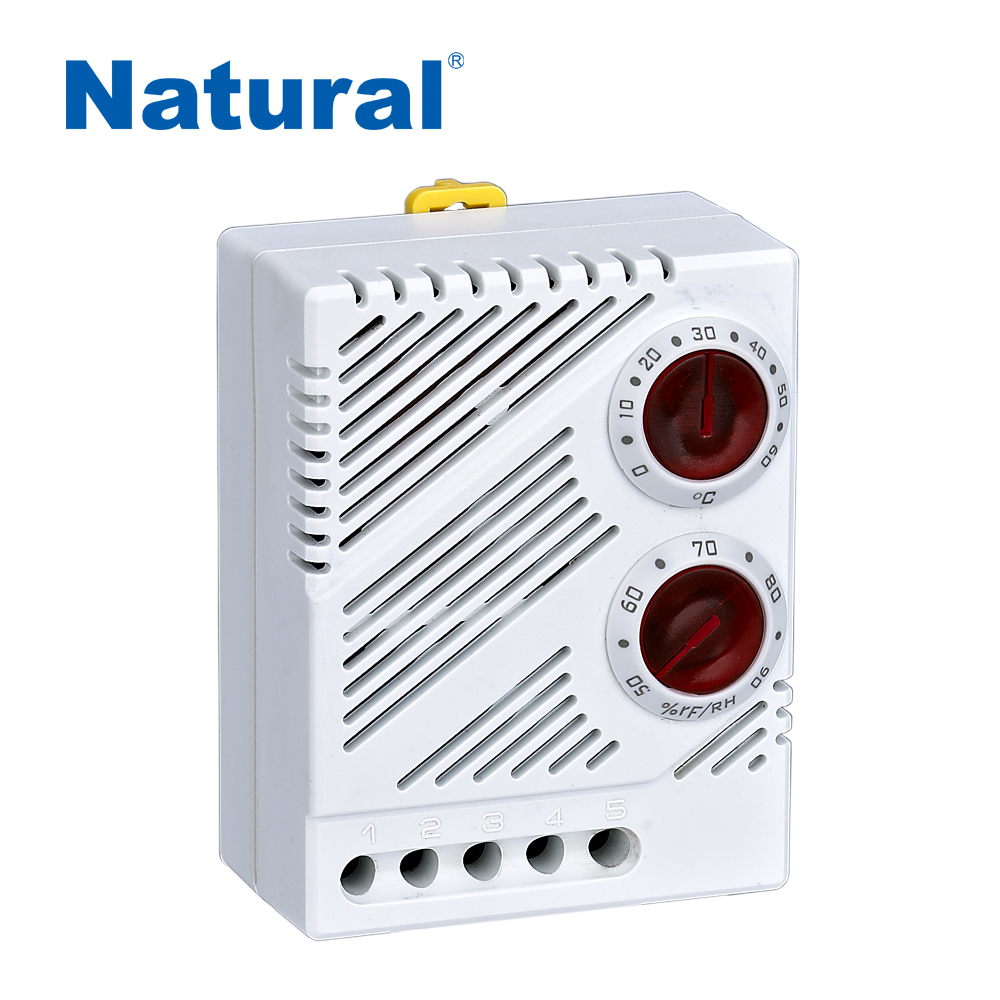
How Electronic Hygrostat Works
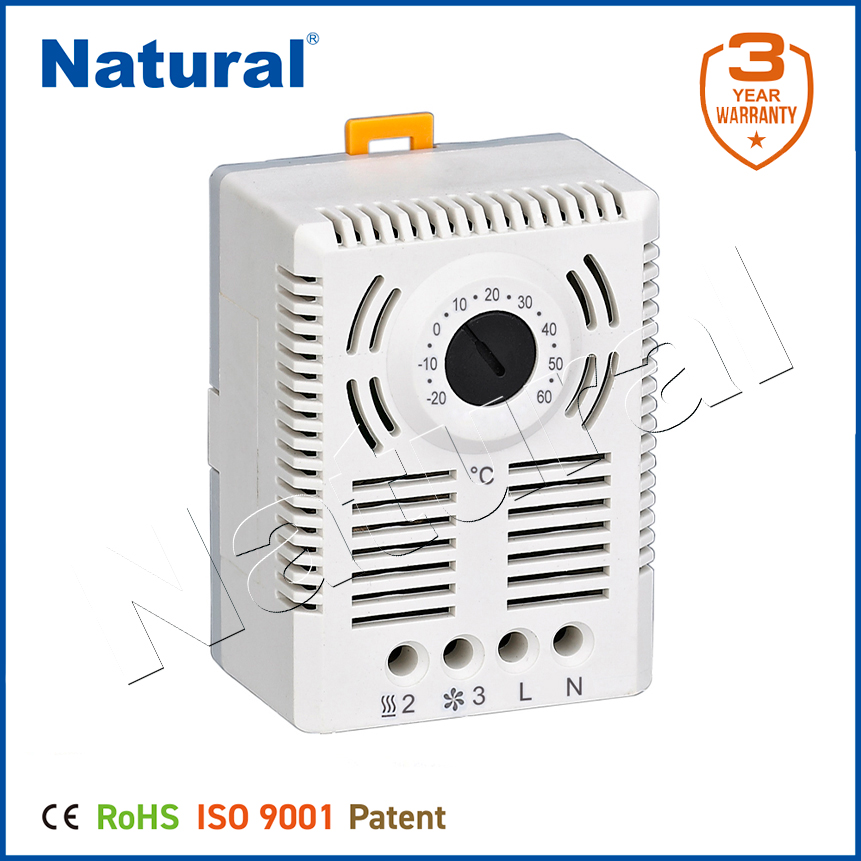
At its core, the electronic hygrostat functions similarly to a traditional mechanical thermostat but is designed to monitor and control humidity rather than temperature. It consists of a humidity sensor, a control unit, and an output mechanism that triggers external equipment, such as humidifiers or dehumidifiers. The sensor continuously measures the relative humidity (RH) in the air and compares it to the preset target range. When the humidity level deviates from the set range, the hygrostat automatically activates the appropriate device to either increase or decrease the moisture content in the air, maintaining the desired humidity.