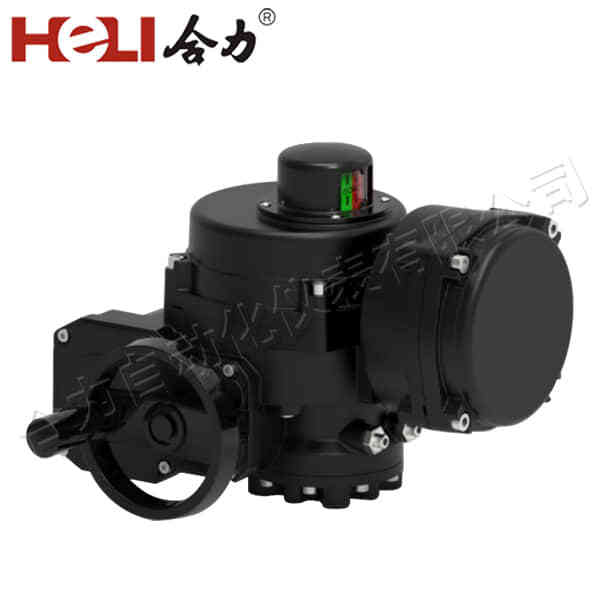
Electric actuators are an essential component in the realm of modern automation systems, playing a crucial role in transforming electrical energy into mechanical motion. With their ability to provide precise control and rapid response, electric actuators are widely used in a variety of industries, from manufacturing to robotics, and even in the automotive and aerospace sectors. In this article, we will explore the functionality, types, advantages, and applications of electric actuators, shedding light on how they are revolutionizing automated processes.
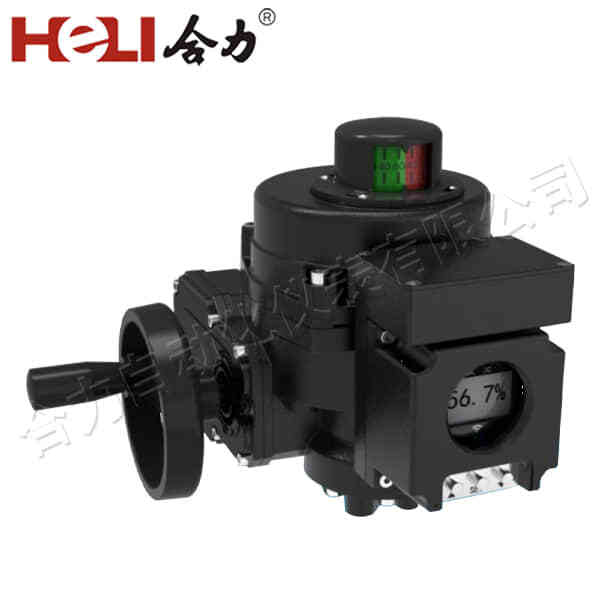
What is an Electric Actuator?
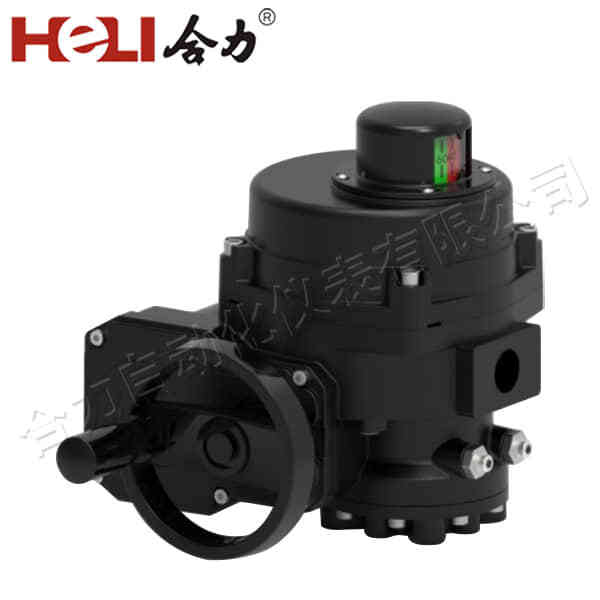
An electric actuator is a device that converts electrical energy into mechanical motion. It is typically powered by an electric motor, which drives either a linear or rotational movement depending on the design of the actuator. These actuators are controlled by electrical signals, and they are used to drive various mechanical systems, enabling the automation of tasks that would otherwise require manual labor. Electric actuators come in many forms, but the most common types are linear actuators and rotary actuators. Linear actuators move in a straight line, while rotary actuators produce rotational motion. The choice between these types depends on the specific needs of the system and the nature of the tasks being automated.