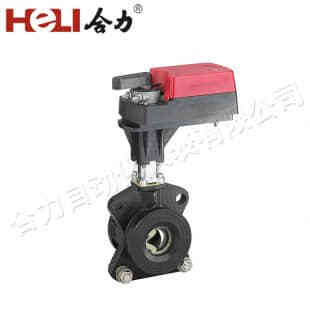
In the modern world, the efficiency and reliability of Heating, Ventilation, and Air Conditioning (HVAC) systems are critical in ensuring comfort, air quality, and energy efficiency in both residential and commercial buildings. One key component that contributes to this efficiency is the damper actuator, which plays an essential role in controlling airflow and maintaining optimal performance in HVAC systems. This article explores the role of damper actuator manufacturers and the importance of their products in enhancing HVAC operations.
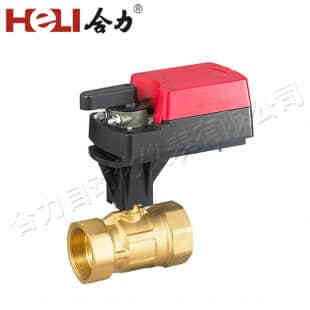
What is a Damper Actuator?
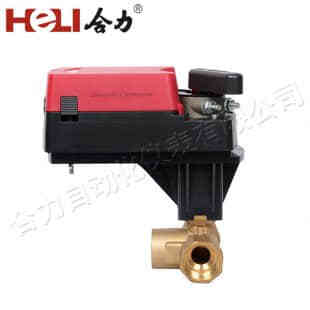
A damper actuator is a mechanical device used to control the position of a damper in an HVAC system. Dampers are adjustable plates or valves placed within the ductwork of HVAC systems to regulate the flow of air. By controlling the damper, the actuator helps in balancing airflow, improving energy efficiency, and maintaining consistent indoor temperatures. The actuator can adjust the damper’s position by rotating, tilting, or moving it based on signals received from the HVAC control system. Damper actuators come in various types, such as electric, pneumatic, and hydraulic, each with specific advantages depending on the application. Electric actuators are the most common and are used in systems that require precise control, while pneumatic actuators are used in environments where compressed air is readily available. Hydraulic actuators, on the other hand, are typically used in large industrial applications.