The rapid advancement of lithium-ion battery technology has paved the way for revolutionary products, including electric vehicles, smartphones, and renewable energy storage systems. As these devices become an integral part of modern life, the safety and reliability of their components are more critical than ever. One such essential component is the lithium battery valve, which plays a pivotal role in safeguarding batteries against internal malfunctions that could otherwise lead to catastrophic consequences. This article explores the role of a lithium battery valve manufacturer, focusing on their importance in ensuring safety and extending the lifespan of lithium-ion batteries.
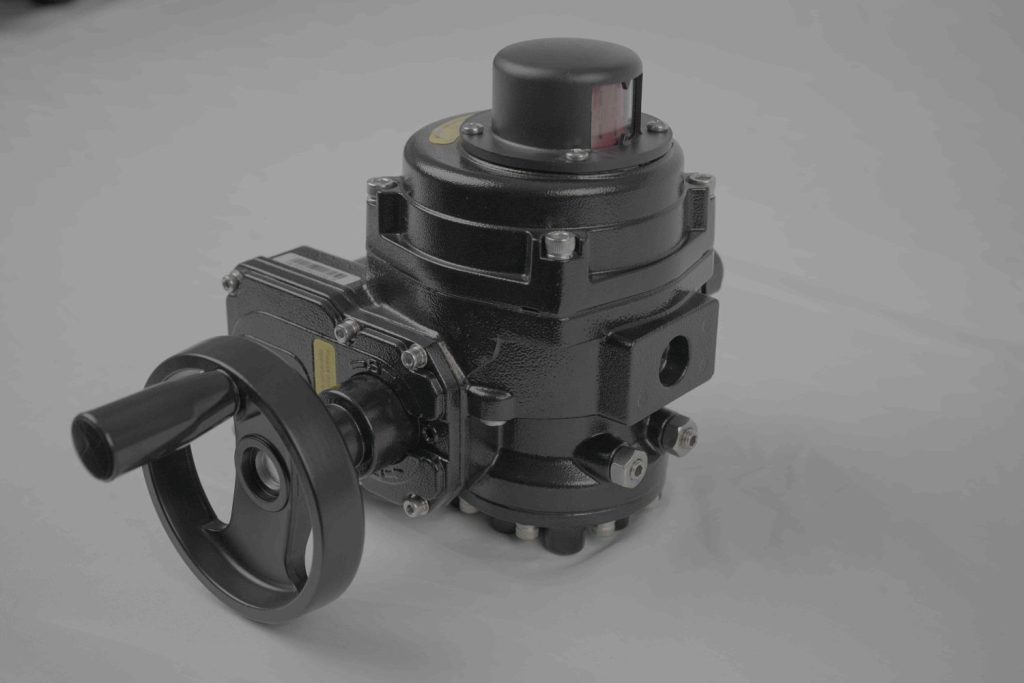
The Role of Lithium Battery Valves Lithium-ion batteries are susceptible to thermal runaway and overpressure situations due to their chemistry. If a battery undergoes excessive heat buildup or internal short circuits, it can cause a dangerous increase in pressure. Without a fail-safe mechanism, this could lead to a rupture, leakage, or even explosion. This is where the role of a lithium battery valve comes into play. These valves act as pressure relief systems, venting gases in a controlled manner to prevent the battery from reaching a critical failure point. The primary function of these valves is to regulate the internal pressure of the battery by opening when the pressure exceeds a predefined threshold. This helps to protect the battery casing and prevent external damage, all while minimizing the risk of fire or explosion. In essence, they are a vital safety feature that ensures the smooth and secure operation of lithium-ion battery-powered devices.