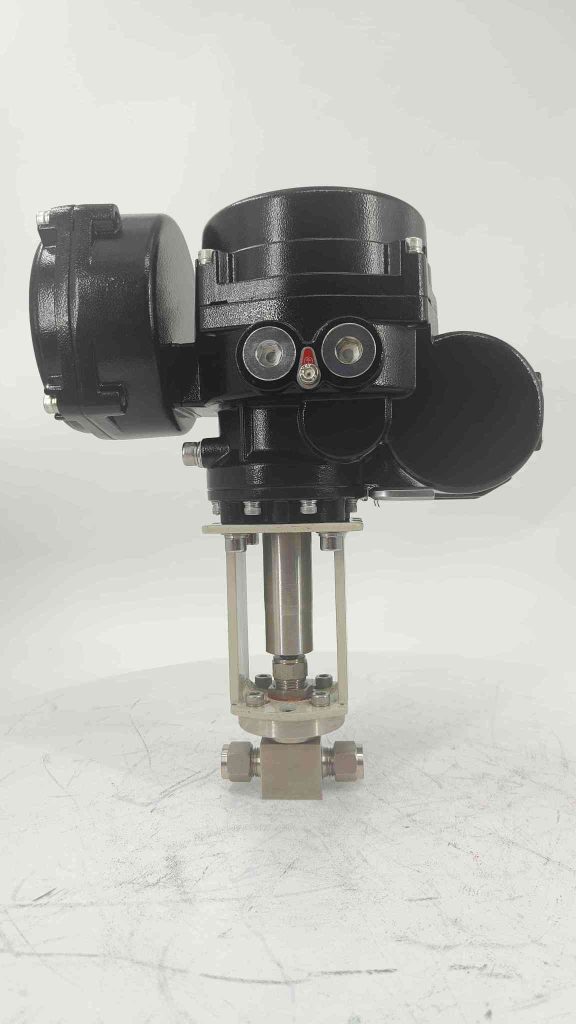
Lithium batteries have become an essential part of modern technology, powering everything from smartphones and laptops to electric vehicles and renewable energy storage systems. As the demand for lithium batteries grows, so does the need to ensure their safety and reliability. One critical component in ensuring the safety of lithium batteries is the lithium battery valve. This article explores the function, design, and significance of the lithium battery valve in modern battery systems.
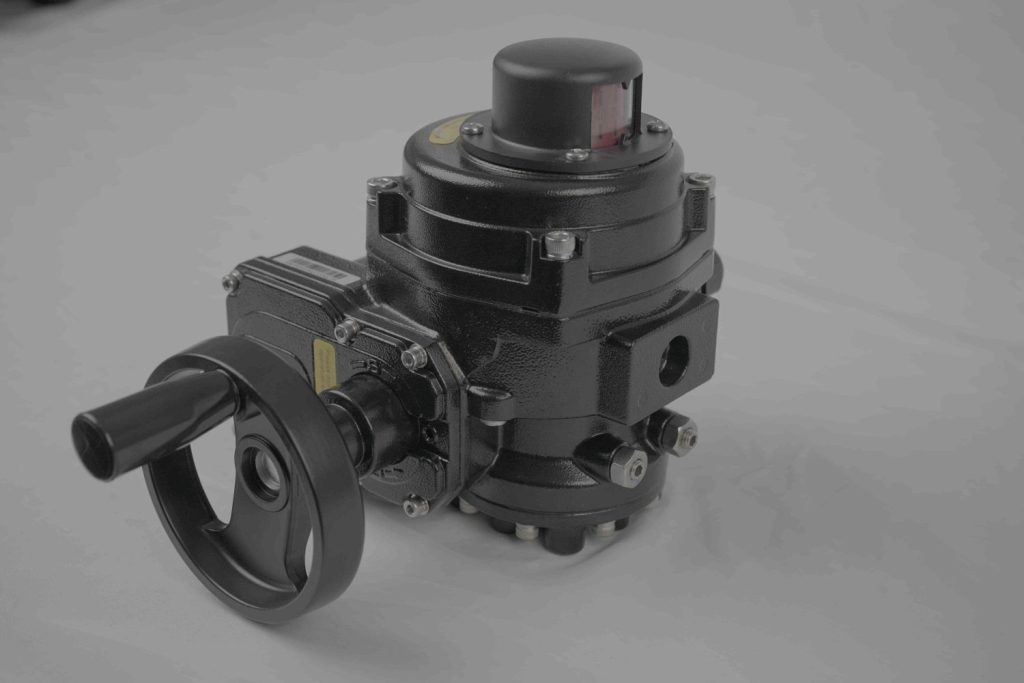
What is a Lithium Battery Valve?
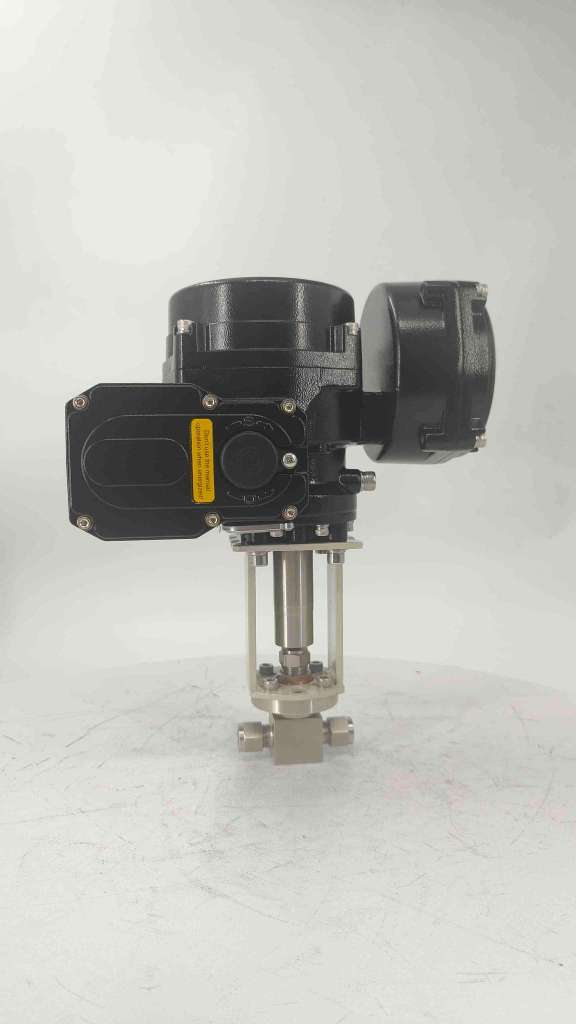
A lithium battery valve, also known as a pressure relief valve or vent valve, is a safety mechanism embedded in lithium-ion and lithium-polymer batteries. Its primary function is to regulate the internal pressure of the battery and protect the battery from catastrophic failures, such as rupture, leakage, or even explosions. The valve is typically installed in the battery’s casing and is designed to open when the internal pressure exceeds a certain threshold, allowing the release of gas or liquid to prevent further damage. The Need for a Lithium Battery Valve Lithium batteries are generally safe, but under extreme conditions, such as overcharging, overheating, or physical damage, they can generate significant amounts of gas due to the breakdown of their internal components, especially the electrolyte. This can cause a dangerous increase in internal pressure. Without a valve to relieve this pressure, the battery could fail dramatically, posing risks to both the device it powers and the user.