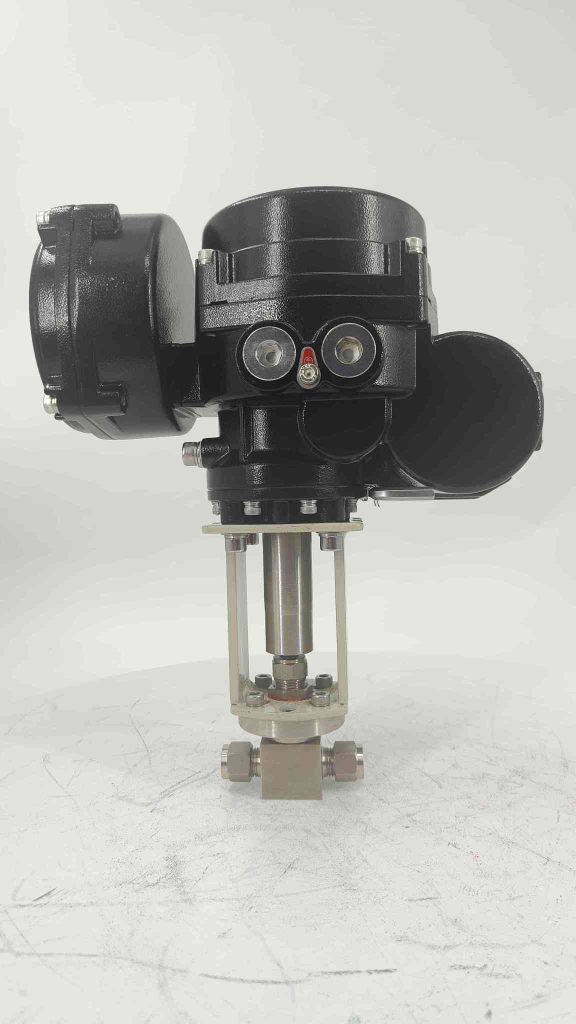
Lithium batteries are widely used in a range of applications, from portable electronics like smartphones and laptops to electric vehicles (EVs) and renewable energy storage systems. One crucial component often overlooked in the design of these batteries is the Lithium Battery Valve. This small yet vital safety feature plays a significant role in maintaining the integrity of the battery and protecting users from potential hazards. In this article, we will explore the function, working principle, types, and importance of lithium battery valves in enhancing battery safety.
Function of a Lithium Battery Valve
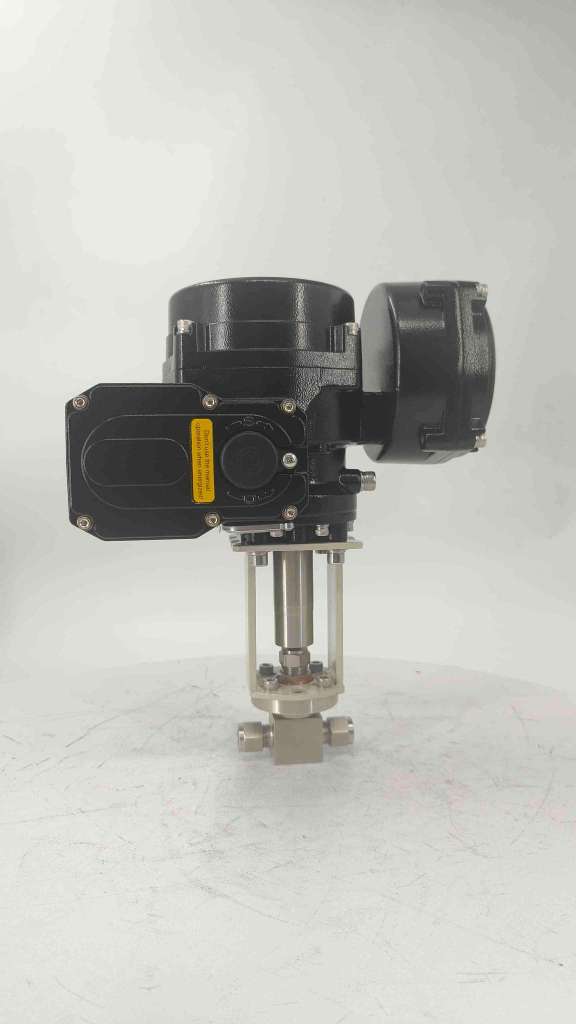
The primary function of a Lithium Battery Valve is to act as a safety mechanism that regulates the pressure within the battery. During charging, discharging, or when the battery experiences malfunction, internal reactions can produce gas. If this gas is not vented properly, the internal pressure of the battery increases, potentially causing the battery to overheat, swell, or even explode. The lithium battery valve, in such cases, serves as a pressure relief mechanism. When the internal pressure exceeds a predetermined threshold, the valve opens to release excess gas, thereby preventing dangerous situations like battery rupture or fire.