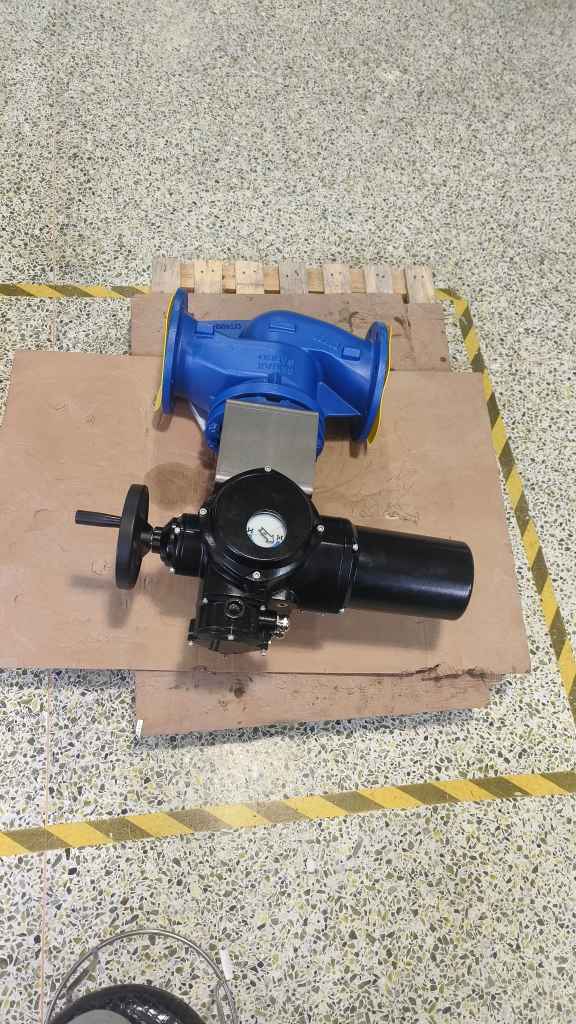
Lithium-ion batteries have become indispensable in our daily lives, powering everything from smartphones to electric vehicles (EVs). However, despite their widespread use, these batteries can pose significant safety risks, especially under extreme conditions such as overheating, overcharging, or internal faults. To address these concerns, innovative solutions like the Lithium Battery Electric Shut-Off Valve have been developed to enhance the safety and efficiency of lithium-ion battery systems.
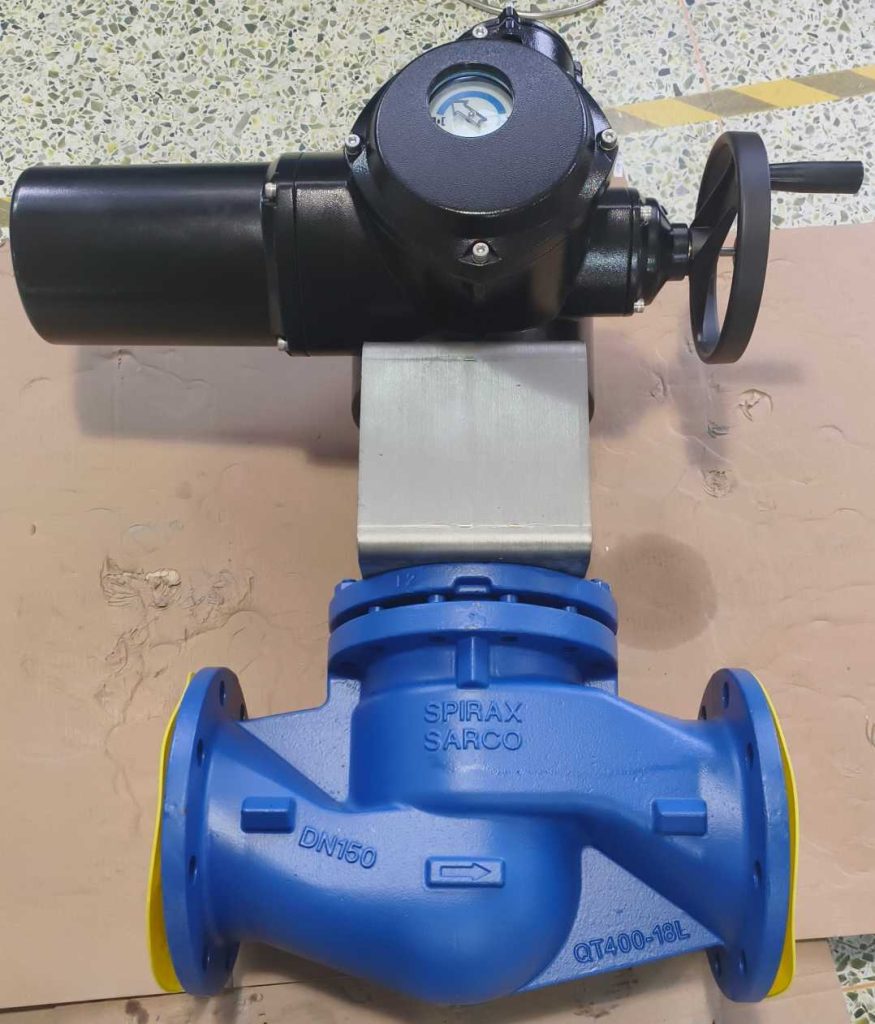
What is a Lithium Battery Electric Shut-Off Valve?
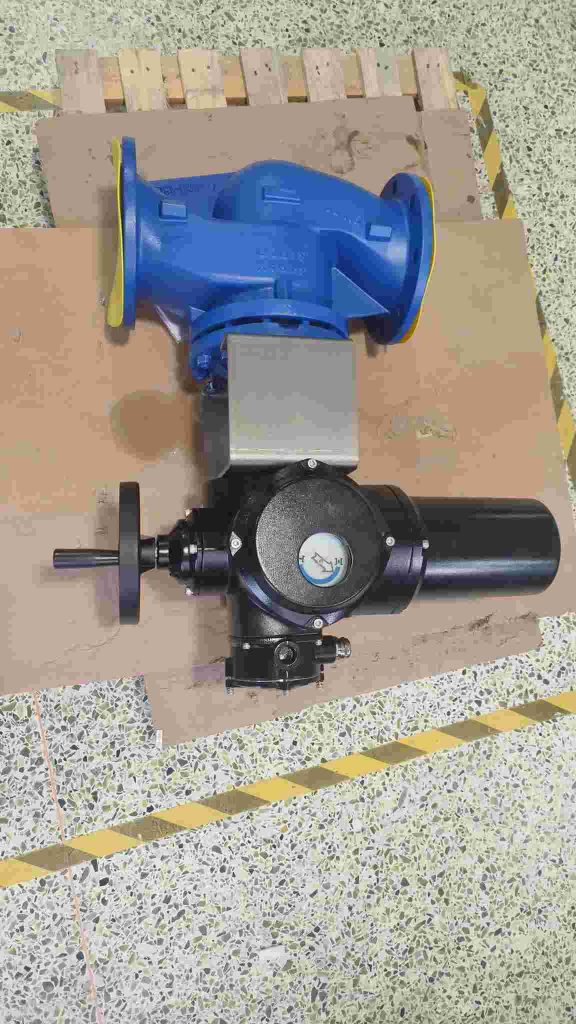
A Lithium Battery Electric Shut-Off Valve (BESOV) is a critical component designed to control the flow of coolant, gas, or liquid within a lithium-ion battery system. Its main function is to automatically regulate and shut off the flow in response to certain predefined conditions, helping to prevent potential hazards like overheating, pressure buildup, or gas leakage. The valve is typically integrated with the battery management system (BMS) and works in tandem with sensors and protective circuits to ensure the system operates within safe parameters. Importance in Cooling Systems One of the primary functions of the Lithium Battery Electric Shut-Off Valve is to regulate the cooling system within a battery pack. Lithium-ion batteries generate significant amounts of heat during both charging and discharging cycles, which can lead to thermal runaway if not managed properly. Thermal runaway is a catastrophic event where the battery’s temperature increases uncontrollably, potentially resulting in fire or explosion.