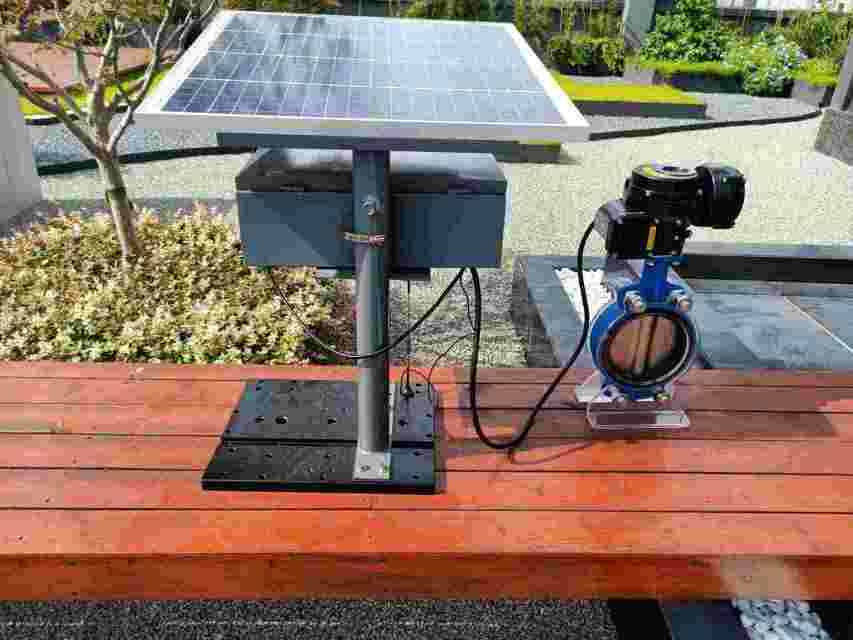
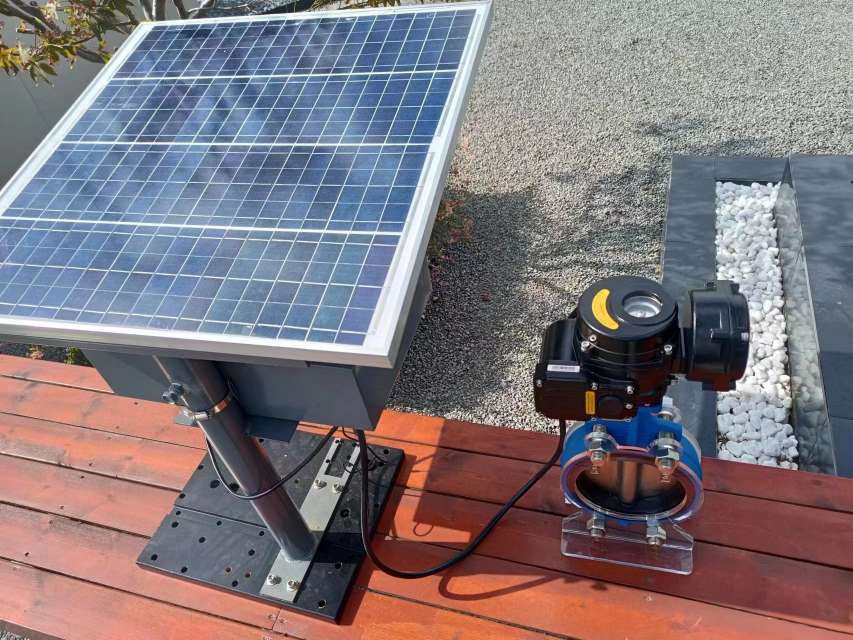
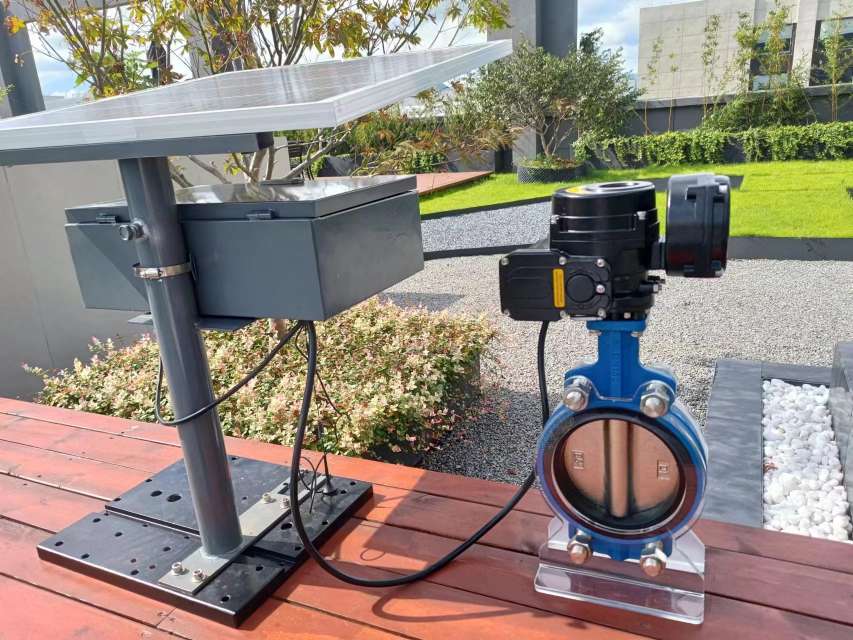
The convergence of hydrogen energy, photovoltaic (PV) technology, and electric valve systems represents an innovative approach to achieving greater efficiency in renewable energy management. These technologies, each of which plays a significant role in sustainable energy systems, can be integrated to form a cohesive solution for modern energy needs. This article explores the concept of the Hydrogen Energy Photovoltaic Electric Valve (HEPEV), its potential applications, and its contribution to the future of clean energy infrastructure.
1. Hydrogen Energy: The Future of Clean Fuel
Hydrogen has long been recognized as a promising alternative to fossil fuels, offering high energy density and producing only water vapor as a byproduct when used in fuel cells. As a clean energy source, hydrogen is increasingly seen as a key component in decarbonizing various sectors, including transportation, industry, and power generation. The development of hydrogen infrastructure is vital for the widespread adoption of this technology, requiring the efficient production, storage, and transportation of hydrogen gas. Hydrogen can be produced via different methods, with water electrolysis powered by renewable energy sources being one of the most sustainable routes. In this process, electricity is used to split water into hydrogen and oxygen. When paired with renewable power sources, such as wind or solar, hydrogen production becomes a completely green and sustainable process, positioning hydrogen as a pivotal player in global decarbonization strategies.