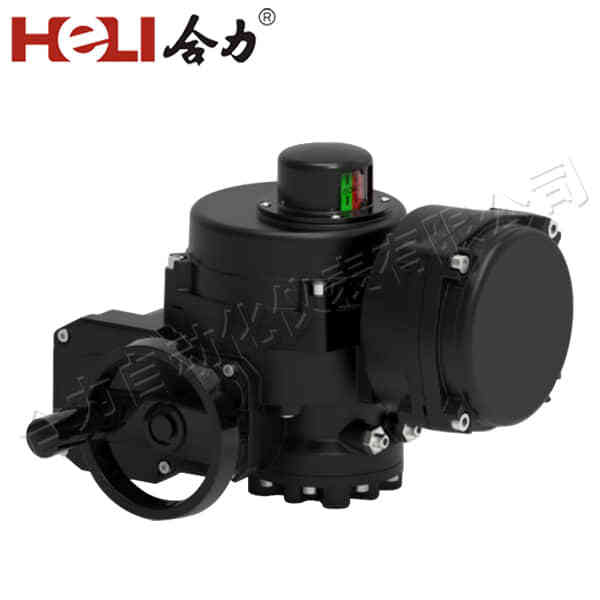
Electric actuators are a crucial component in the realm of modern automation and control systems. These devices convert electrical energy into mechanical motion, enabling a wide range of operations in industries such as manufacturing, automotive, healthcare, and home automation. With their ability to provide precise, efficient, and reliable control, electric actuators have become indispensable in various applications, from controlling valves to moving mechanical parts.
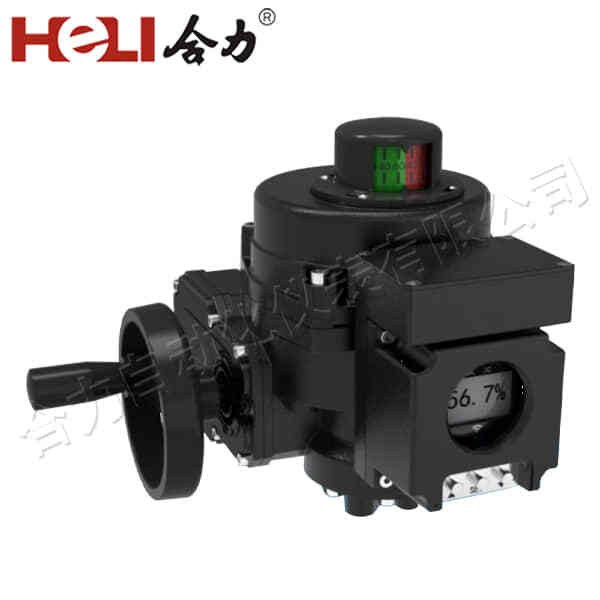
What is an Electric Actuator?
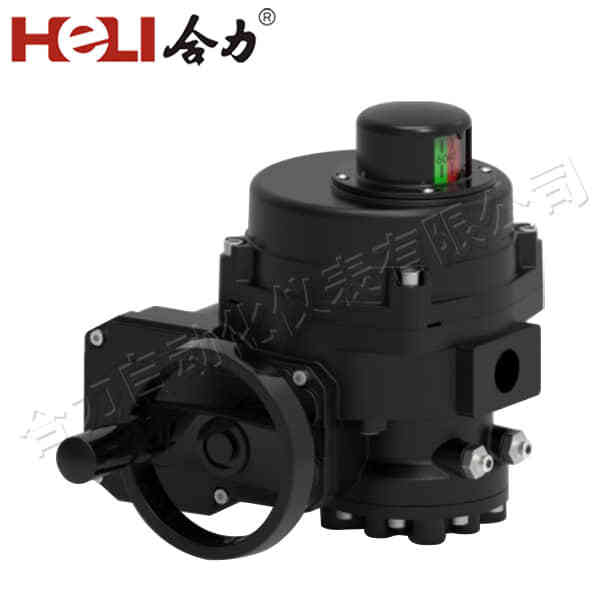
An electric actuator is a mechanical device that uses electrical energy to create movement. It typically consists of an electric motor, a transmission mechanism (such as gears or lead screws), and a control system that directs the actuator’s operation. The electric motor generates rotational motion, which is then converted into linear or rotational movement depending on the actuator’s design.
There are two main types of electric actuators: Rotary Electric Actuators: These actuators provide rotational motion and are often used in applications such as opening and closing valves, turning gears, or controlling the movement of machinery parts.