The management and regulation of fluid flow are critical components across various industries, from water treatment to HVAC systems. Among the plethora of solutions available, the Lithium Battery Electric Single Seat Regulating Valve has emerged as a notable innovation that combines efficiency, precision, and flexibility. This article delves into the design, functionality, applications, and benefits of this advanced regulating valve technology.
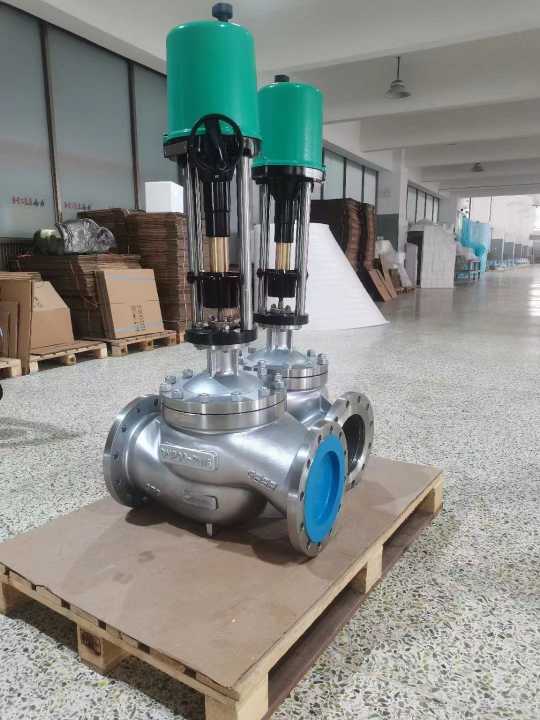
Design and Components A Lithium Battery Electric Single Seat Regulating Valve consists of several fundamental components: the valve body, valve seat, valve plug (or diaphragm), electric actuator, and the power source, which in this case, is a lithium battery. Valve Body: Constructed from durable materials like stainless steel or carbon steel, the valve body is responsible for withstanding the pressure of the fluid passing through. The strength of the material ensures longevity and reliability, particularly in high-pressure applications. Valve Seat and Plug: These components create a sealing mechanism. The plug moves against the valve seat to open or close the flow channel, regulating the fluid’s passage effectively.