In recent years, the demand for lithium batteries has surged, driven by the rapid growth of electric vehicles (EVs), renewable energy storage systems, and portable electronics. As a result, the manufacturing of lithium batteries has become increasingly sophisticated, requiring not just advanced battery cells but also effective components that enhance performance, safety, and reliability. Among these components, battery valves play a crucial role in maintaining the operational integrity of lithium batteries. Consequently, the emergence of lithium battery valve ODM (Original Design Manufacturer) manufacturers has become a significant trend in the industry.
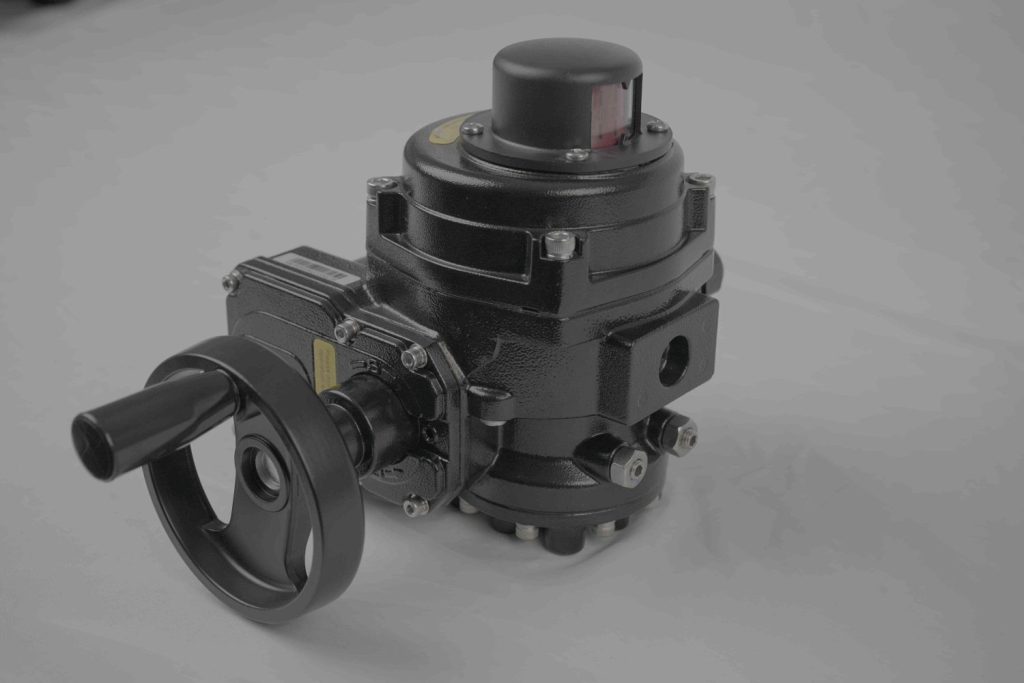
Understanding the Role of Battery Valves Lithium battery valves serve as safety devices designed to regulate the internal pressure of battery cells. During charging and discharging cycles, batteries can generate gas due to chemical reactions. If this gas is not properly managed, it can lead to overpressure situations, risking leakage, rupture, or even explosions. Therefore, battery valves are essential for ensuring safe operation, preventing damage, and extending the lifespan of lithium batteries. These valves typically come in two forms: safety valves and pressure relief valves. Safety valves open when the internal pressure exceeds a predetermined threshold, allowing gases to escape and preventing catastrophic failures. Pressure relief valves, on the other hand, are designed to maintain a constant pressure within the battery, ensuring that it operates within safe limits. The design and functionality of these valves are critical for the overall performance and safety of lithium batteries.