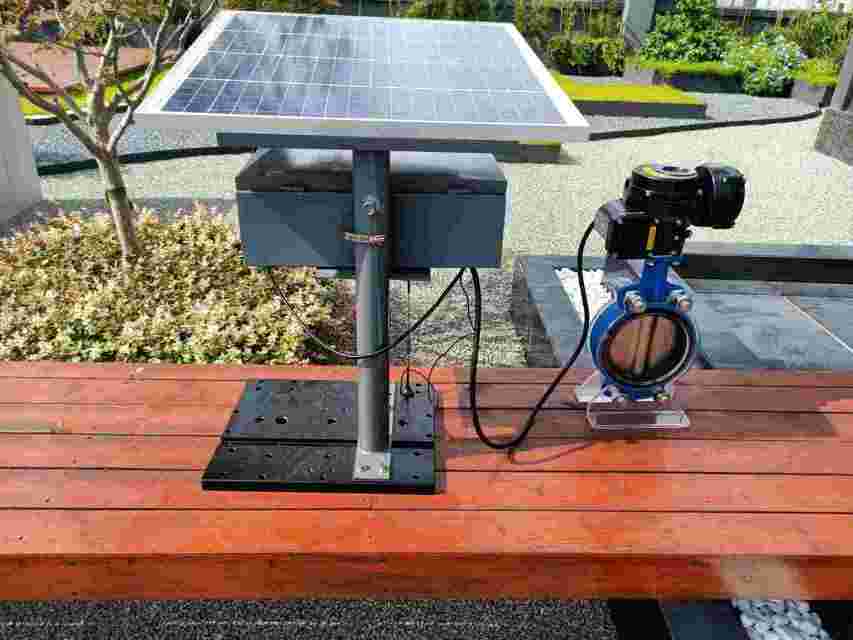
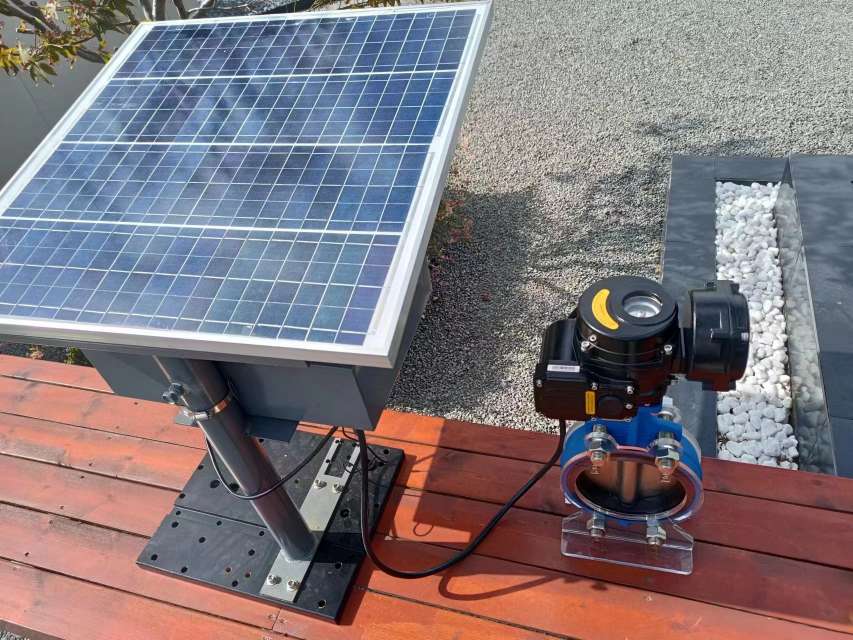
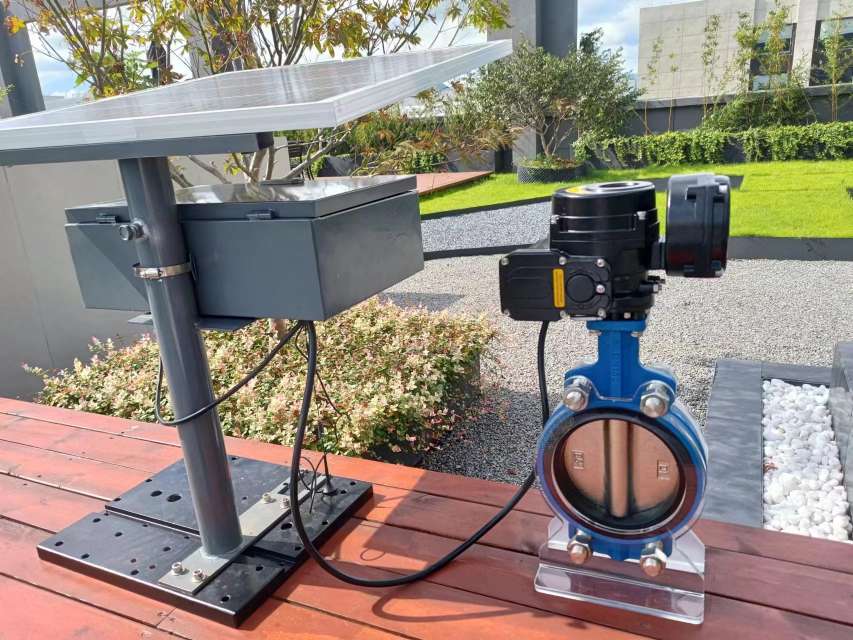
The rapid development of renewable energy technologies is reshaping the way we think about energy production and consumption. Among these innovations, the integration of solar power, energy storage, and automation systems is paving the way for more sustainable, efficient, and intelligent energy management. One such development is the combination of Lithium batteries, photovoltaic (PV) systems, and electric valves. This integration promises to revolutionize energy systems by improving their efficiency, flexibility, and overall sustainability.
The Role of Lithium Batteries in Renewable Energy Systems
Lithium batteries have become a cornerstone of modern energy storage solutions due to their high energy density, long lifespan, and reliability. In renewable energy systems, such as solar power, lithium batteries store the electricity generated during the day for use at night or during cloudy periods. The ability to store energy efficiently ensures that the power generated by photovoltaic systems is used when needed, rather than being wasted. This capability is particularly crucial in off-grid locations, where energy independence is essential for maintaining continuous power supply. Unlike traditional lead-acid batteries, lithium batteries offer several advantages. They are lighter, require less maintenance, and have a significantly longer service life, making them an ideal choice for integration with renewable energy technologies. Additionally, their fast charging and discharging capabilities allow for dynamic energy management, making them suitable for systems that require real-time power adjustments, such as those used in industrial automation or large-scale energy grids.