In recent years, lithium batteries have emerged as a cornerstone of modern energy storage and management systems. From electric vehicles (EVs) to renewable energy storage solutions, lithium-ion batteries are increasingly prevalent due to their high energy density and longevity. However, with these advantages come certain risks, particularly safety concerns associated with thermal runaway, short circuits, and other malfunctioning situations. To mitigate these risks, the lithium battery electric shut-off valve has become an essential component in battery management systems. This article explores the functionality, benefits, applications, and future prospects of lithium battery electric shut-off valves.
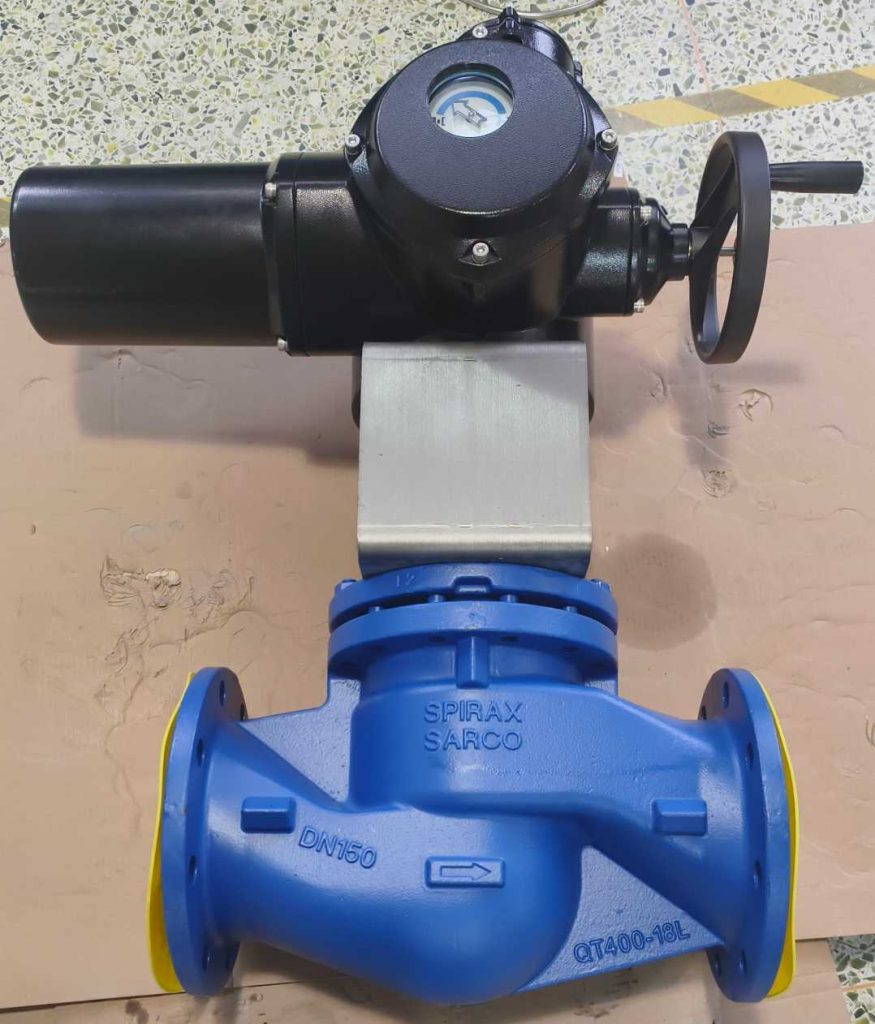
Functionality of Lithium Battery Electric Shut-off Valve
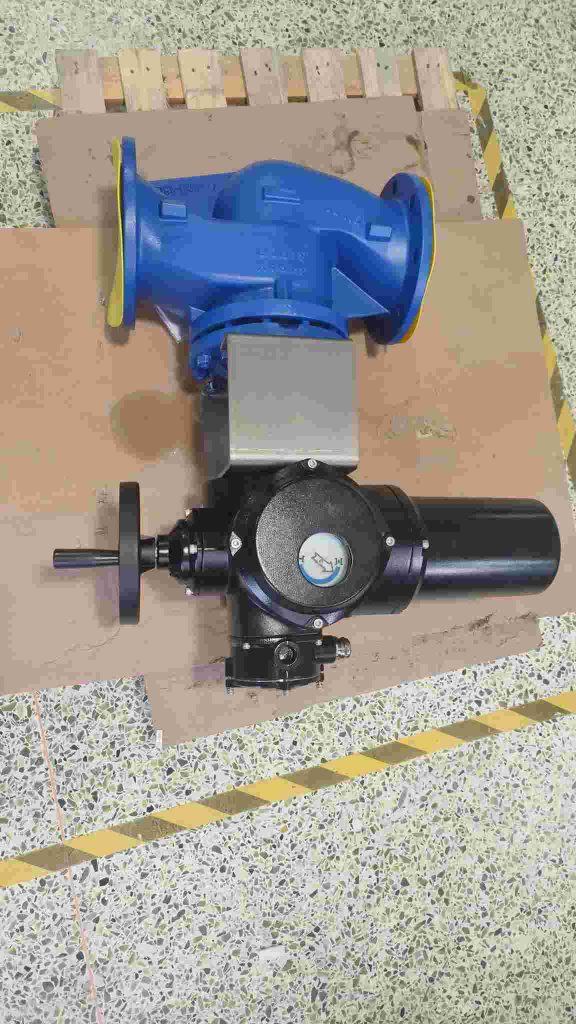
A lithium battery electric shut-off valve is a protective device designed to control the electrical flow in a battery system. Its primary role is to interrupt the current quickly in response to detected anomalies, thus preventing potential hazards such as fires or explosions. The mechanism typically relies on an electronically controlled solenoid or motorized actuator that responds to signals from the battery management system (BMS). In a standard setup, the valve continuously monitors the battery’s operational parameters, including voltage, temperature, and charge/discharge currents. If any of these parameters exceed predefined thresholds or if a fault condition is detected, the BMS sends an immediate command to the shut-off valve, enabling it to disengage the circuit. This rapid action essentially serves as a safety net to minimize the consequences of dangerous situations.