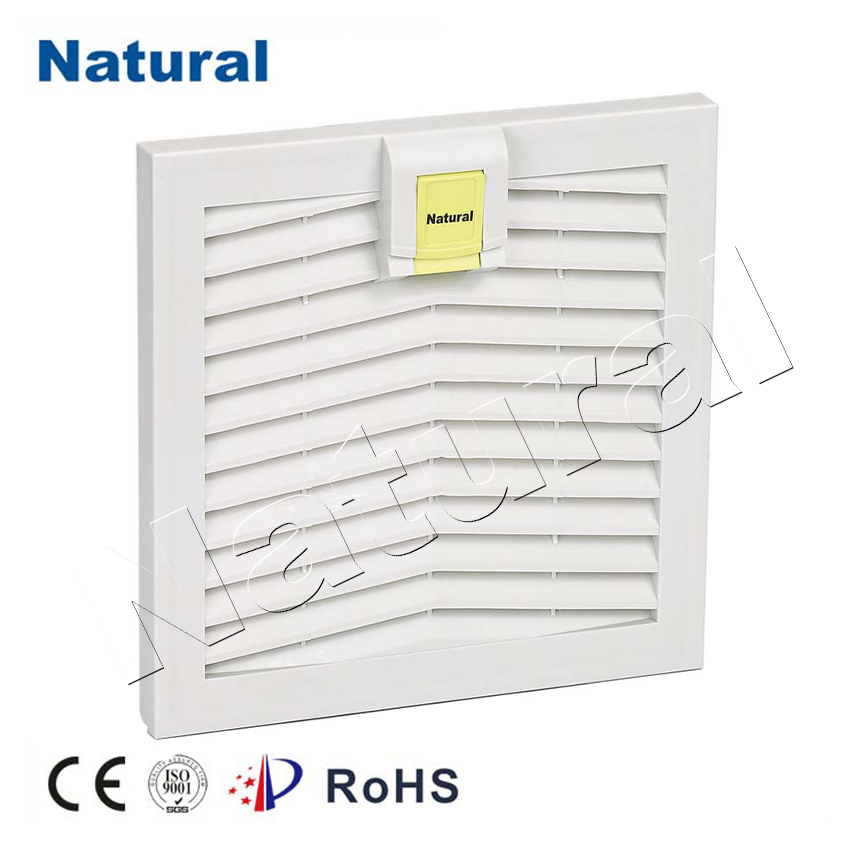
In an age where urban living and industrial activities contribute significantly to air pollution, maintaining clean indoor air quality has become increasingly vital. One effective means of achieving this is through the use of fan filter air systems, which are designed to purify air by combining the forces of mechanical filtration and air movement. These systems serve various purposes, from improving the comfort of living spaces to ensuring the safety of environments such as hospitals and laboratories.
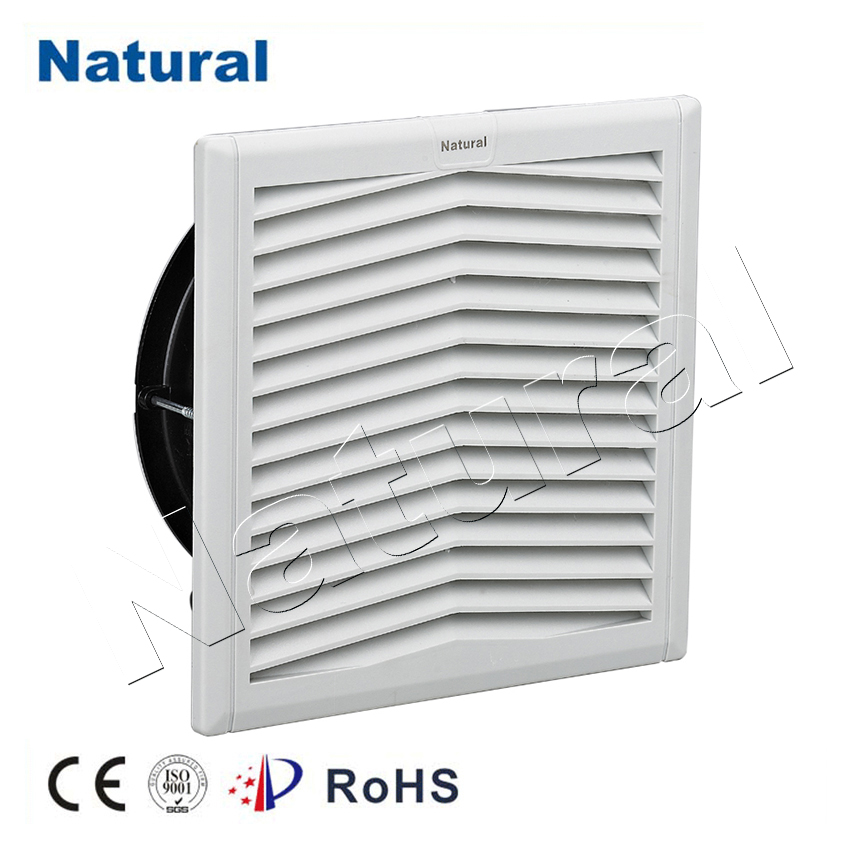
Understanding Fan Filter Air Systems
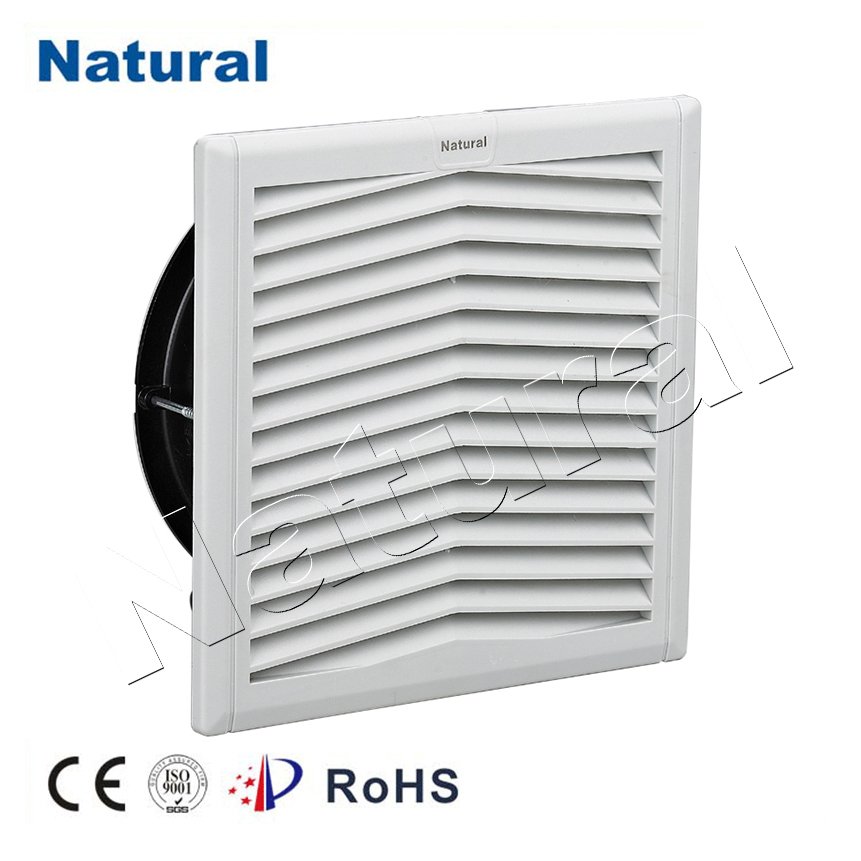
Fan filter air systems typically consist of two primary components: a fan and a filter. The fan is responsible for drawing air into the unit, while the filter captures harmful particles present in the air. The effectiveness of these systems lies in their ability to work together, as the fan increases the airflow, thereby enhancing the filtration process. The Mechanical Components The Fan: The fan generates airflow by sucking in air from the surrounding environment. The design and specifications of the fan can vary considerably depending on the intended use of the system. High-speed fans are often used in settings that require rapid air exchange, such as industrial clean rooms.