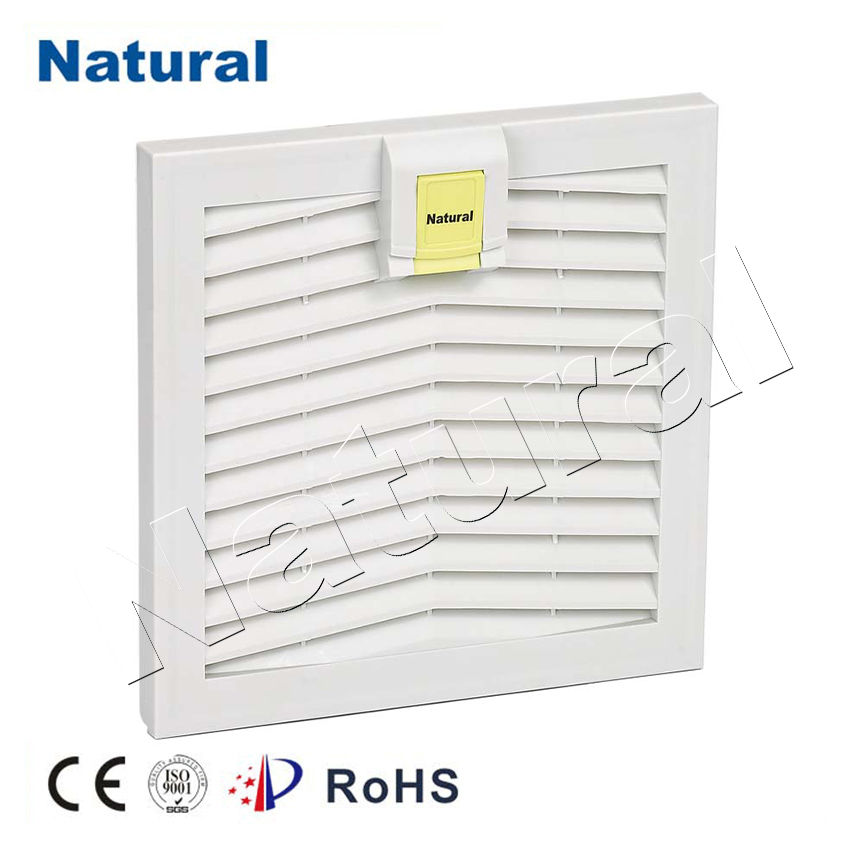
In today’s fast-paced world, maintaining a clean and efficient environment is essential in various industries, including healthcare, electronics, and manufacturing. One of the most effective ways to achieve this is by using fan filter air systems. These systems, which combine a fan and a filter, are designed to purify the air by removing contaminants such as dust, particles, bacteria, and other pollutants. In this article, we will explore the importance of fan filter air systems, how they work, and the benefits they bring to various applications.
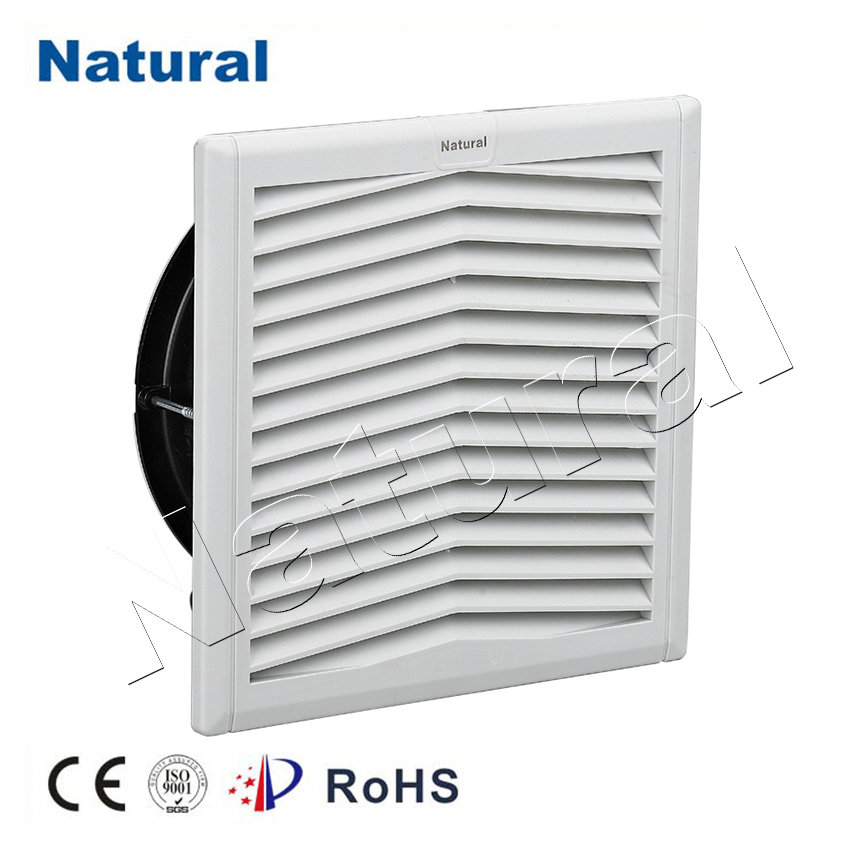
How Fan Filter Air Systems Work
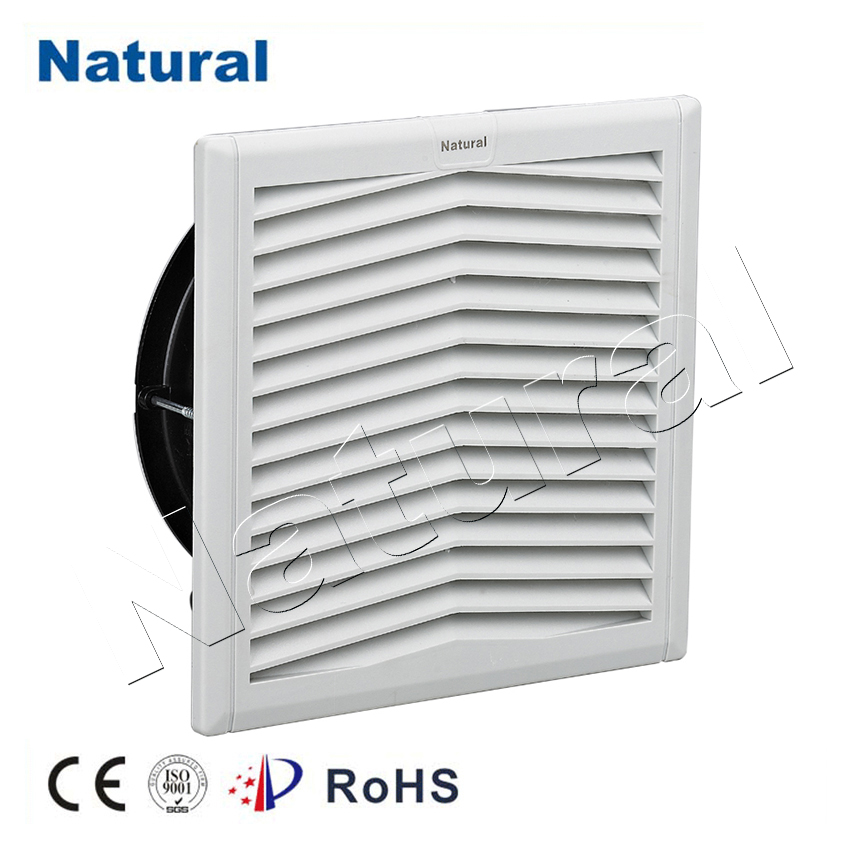
A fan filter air system operates by pulling in air through a fan, which pushes the air through a filter to trap particles, dust, and other unwanted substances. The fan creates airflow, while the filter captures these contaminants, leaving behind purified air. The type of filter used in these systems varies depending on the specific needs of the environment. For instance, HEPA (High-Efficiency Particulate Air) filters are commonly used in sensitive areas such as hospitals and laboratories to capture very fine particles, including bacteria and viruses. The fan filter air systems are typically mounted on the ceiling or walls of a cleanroom or controlled environment, ensuring that air is circulated and filtered constantly. These systems can be designed for both small-scale applications, like individual rooms, or large-scale operations, such as entire buildings or factories.