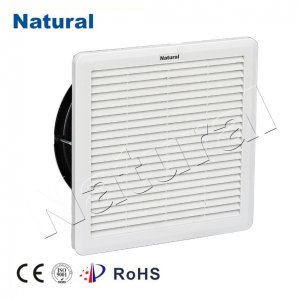
In modern industrial environments, electrical panels and enclosures play a crucial role in housing sensitive electrical components and ensuring the safe and efficient operation of electrical systems. However, with the increasing complexity and power demands of these systems, managing the internal environment of electrical panels has become essential to preventing failures and extending the life of the equipment. One key component that helps in maintaining optimal conditions within electrical panels is the electrical panel fan filter. This seemingly simple device is vital for temperature regulation, protection from contaminants, and improving the overall reliability of the panel.
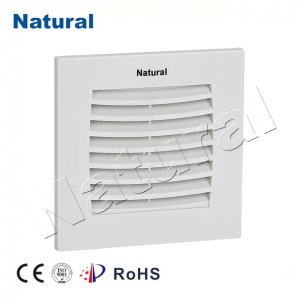
1. Temperature Control and Heat Management
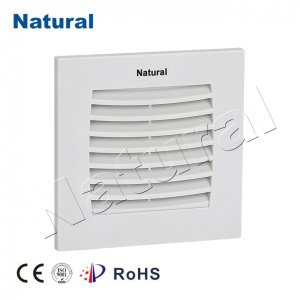
Electrical panels often generate heat due to the electrical currents flowing through the components and the energy required to power industrial machinery. Without proper ventilation, the temperature inside the panel can rise to levels that could potentially damage the components, cause overheating, or trigger safety mechanisms that result in downtime. The electrical panel fan filter plays a vital role in controlling the temperature by ensuring that fresh, cooler air enters the panel and helps circulate the warm air out. This constant flow of air maintains a stable temperature and prevents overheating, which can reduce the risk of electrical failures. Some fan filters even feature built-in thermostats that automatically activate the fan when the temperature exceeds a predefined threshold, ensuring that the panel operates within the optimal temperature range.