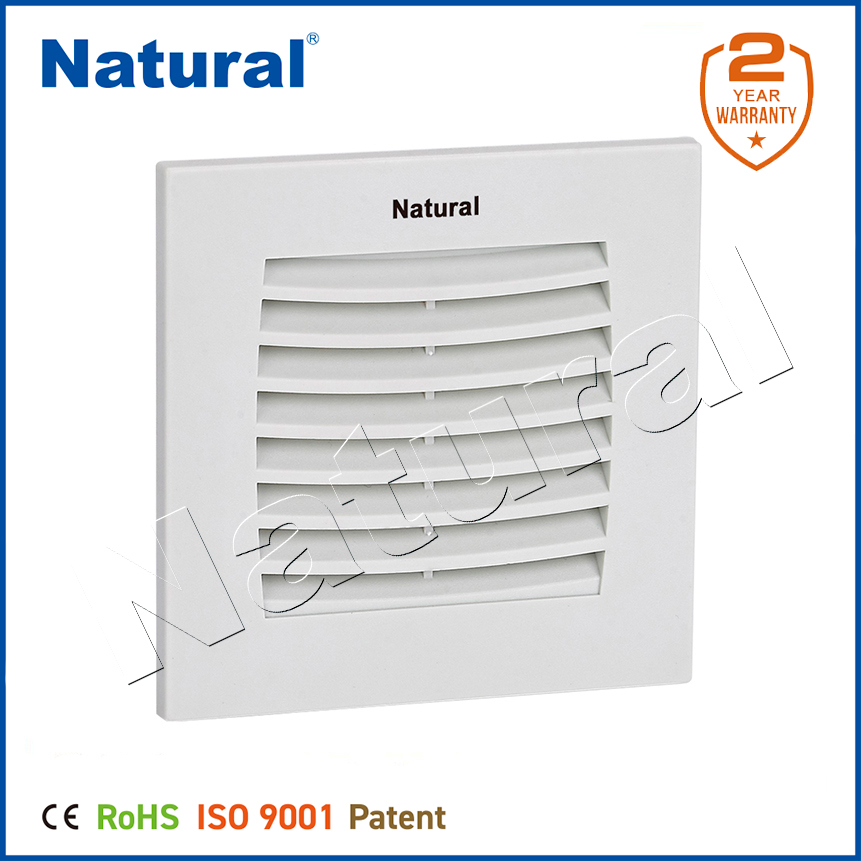
In modern industrial and commercial settings, electrical cabinets play a crucial role in safeguarding and housing the electrical components that control and monitor vital systems. These cabinets, designed to protect sensitive equipment from environmental elements such as dust, moisture, and extreme temperatures, require specialized solutions to maintain their performance and longevity. One such solution is the electrical cabinet filter, which plays an essential role in ensuring the integrity and smooth operation of electrical enclosures. In this article, we will explore the importance of electrical cabinet filters, how they function, and the benefits they bring to the protection and longevity of electrical systems.
What is an Electrical Cabinet Filter?
An electrical cabinet filter is a device designed to regulate airflow and filter the air entering or leaving an electrical enclosure. These filters help to maintain the internal temperature and humidity levels of the cabinet while preventing contaminants, such as dust, dirt, and airborne particles, from damaging sensitive electrical components. Electrical cabinets typically house complex and delicate electronic equipment, and exposure to contaminants can lead to operational failures or malfunctions. How Do Electrical Cabinet Filters Work? Electrical cabinet filters are often installed in ventilation openings of the enclosure, allowing air to circulate while keeping contaminants at bay. The filter is typically made of a porous material that allows air to pass through while trapping dust, debris, and other harmful particles. This filtration process prevents the accumulation of dirt and debris on the internal components, such as circuit boards, wiring, and cooling systems.