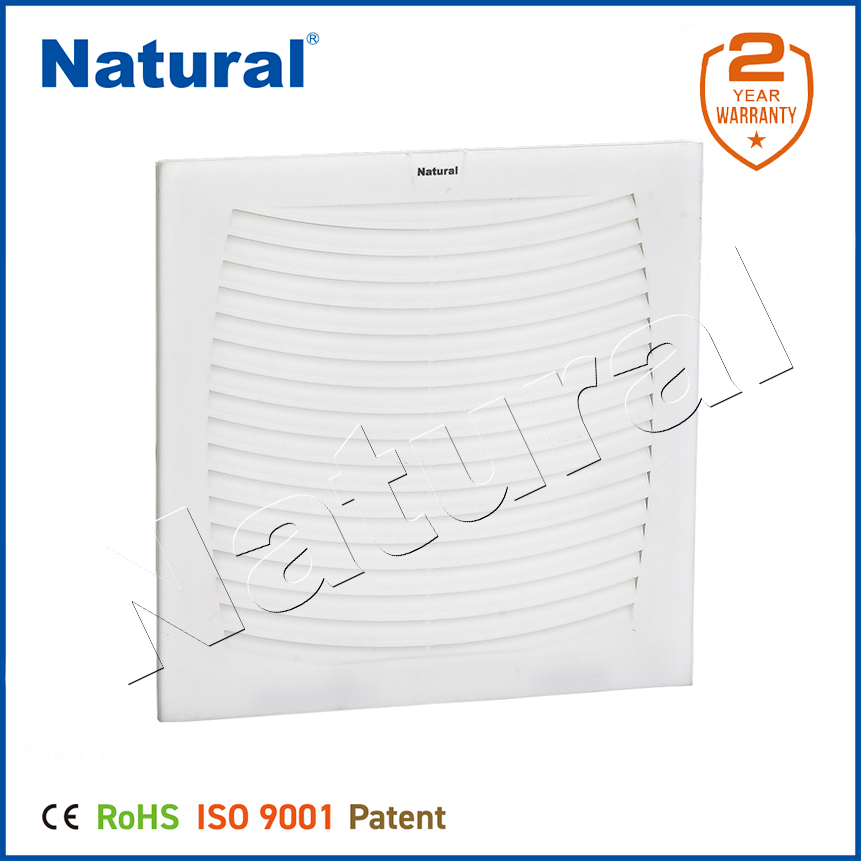
Electric fans are a common household and industrial appliance, providing much-needed airflow to cool and ventilate indoor spaces. However, in environments where air quality is a concern—such as dusty homes, offices, or industrial settings—the air circulating through an electric fan can often carry harmful particles. This is where electric fan filters come into play, offering an effective solution to improve air quality while ensuring the longevity and efficiency of the fan itself. In this article, we’ll explore the importance of electric fan filters, their types, benefits, and maintenance.
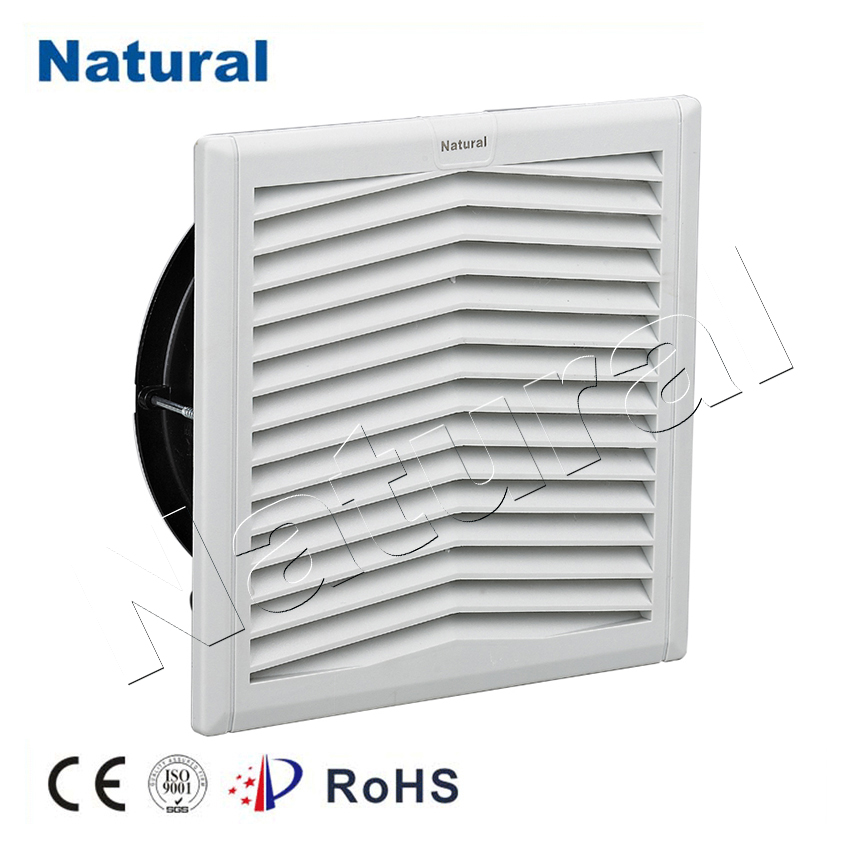
The Role of Electric Fan Filters
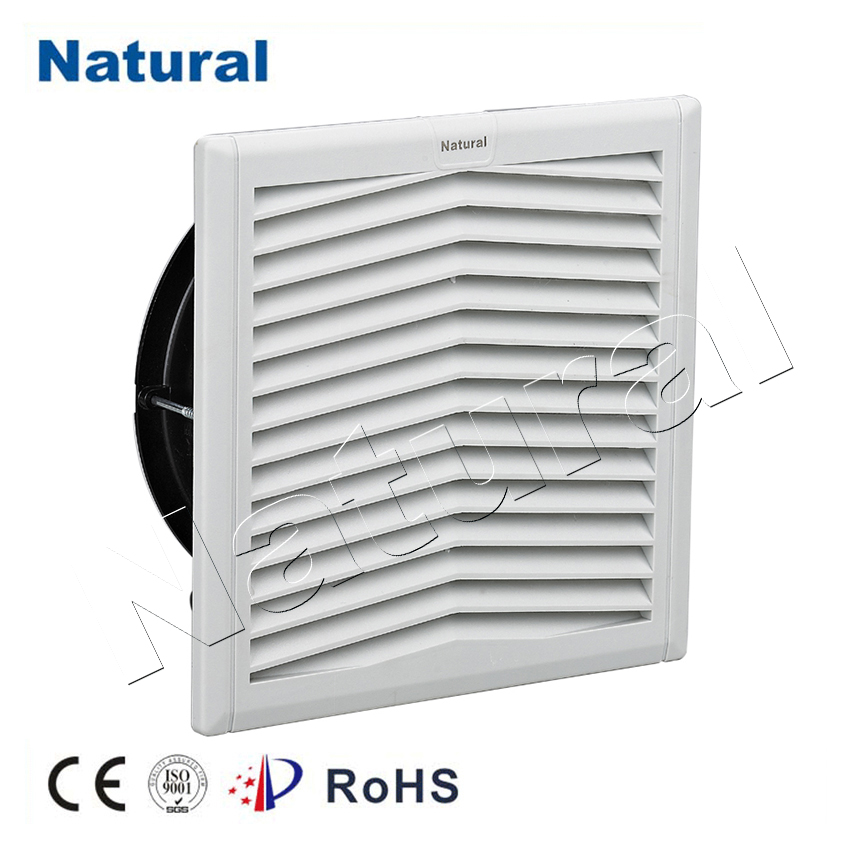
Electric fan filters are designed to trap airborne particles as air passes through the fan. This filtration process removes dust, pollen, smoke, pet dander, and even harmful bacteria, ensuring that the air circulated by the fan is cleaner and healthier. This is especially important in spaces where individuals with respiratory issues or allergies reside. Without a filter, electric fans can exacerbate air quality problems by redistributing dust and allergens, which can lead to sneezing, coughing, or other respiratory issues. With a filter, however, these particles are trapped, reducing their spread and minimizing their impact on indoor air quality.