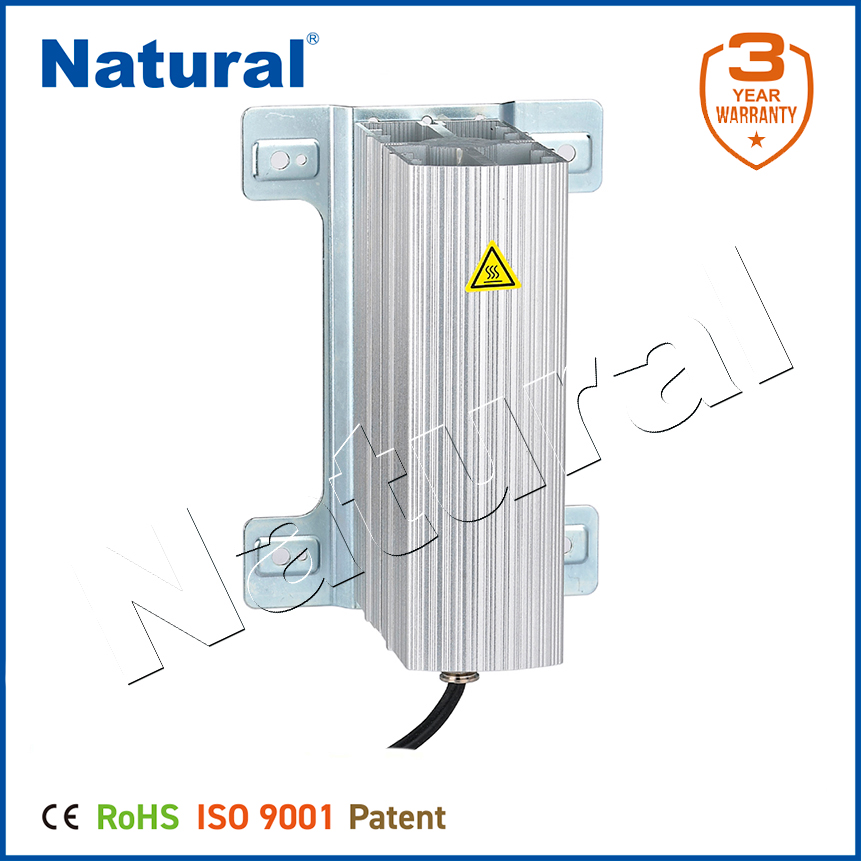
Enclosure heaters, also known as cabinet heaters or electrical enclosure heaters, play a crucial role in ensuring the protection and optimal functioning of sensitive electronic equipment, machinery, and devices. These heaters are designed to maintain a consistent internal temperature within enclosures, safeguarding equipment from external temperature fluctuations, moisture, and condensation. In this article, we will delve into the significance, working principles, types, and applications of enclosure heaters across various industries.
What is an Enclosure Heater?
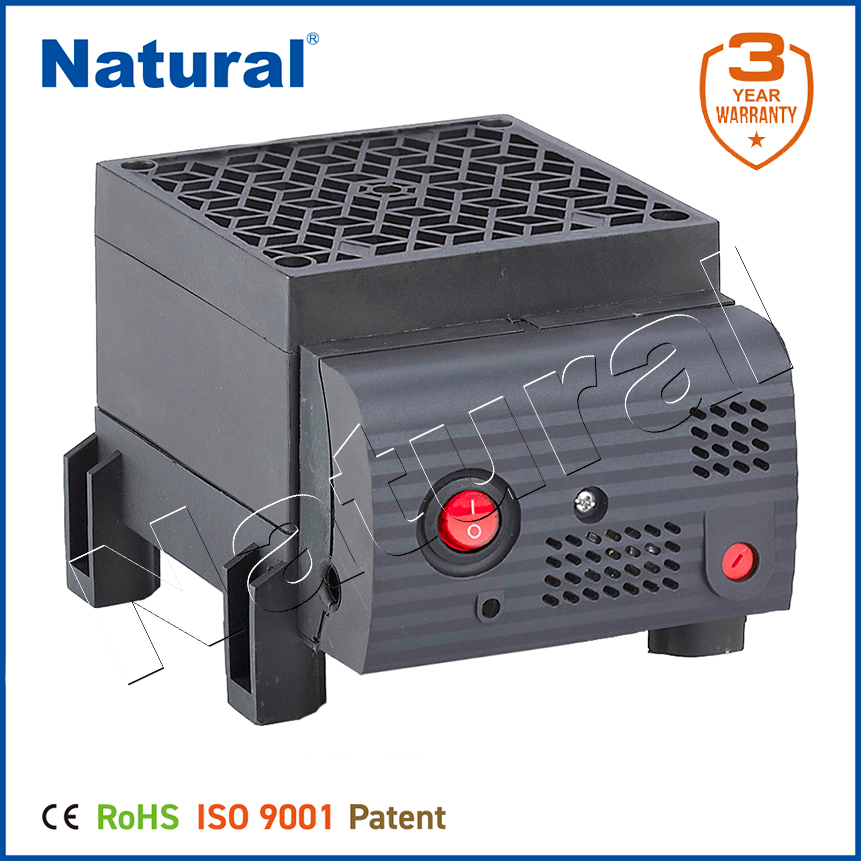
An enclosure heater is a device that is typically installed within an enclosure or cabinet to regulate the temperature inside. These enclosures are often used to house electrical control systems, machinery, or communication devices that need to be protected from extreme environmental conditions. The primary purpose of an enclosure heater is to maintain a stable internal temperature, preventing issues such as condensation, corrosion, or damage due to excessive moisture or cold temperatures. How Does an Enclosure Heater Work? The operation of an enclosure heater is fairly straightforward. Enclosures often house sensitive equipment, and when the temperature within the enclosure drops below a certain threshold, moisture can form, leading to condensation. This moisture, if left unchecked, can cause short circuits, corrosion, and malfunctions in electrical components. The enclosure heater uses an electrical heating element to warm the air inside the enclosure, ensuring that the temperature remains consistent and preventing the formation of condensation.