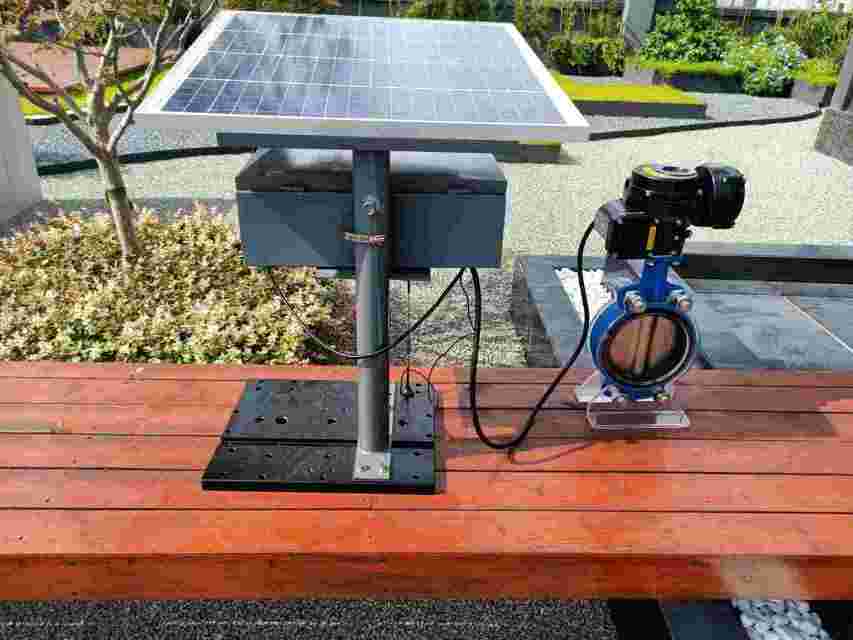
In recent years, the pursuit of sustainable energy solutions has intensified as the world grapples with climate change and the increasing demand for clean energy. One significant innovation in this realm is the Lithium Battery Intelligent Control Solar Electric Actuator (LBICS-EA). This advanced device combines lithium battery technology, solar energy, and intelligent control systems, revolutionizing industries and applications that require automation, efficiency, and eco-friendliness.
Understanding the Components
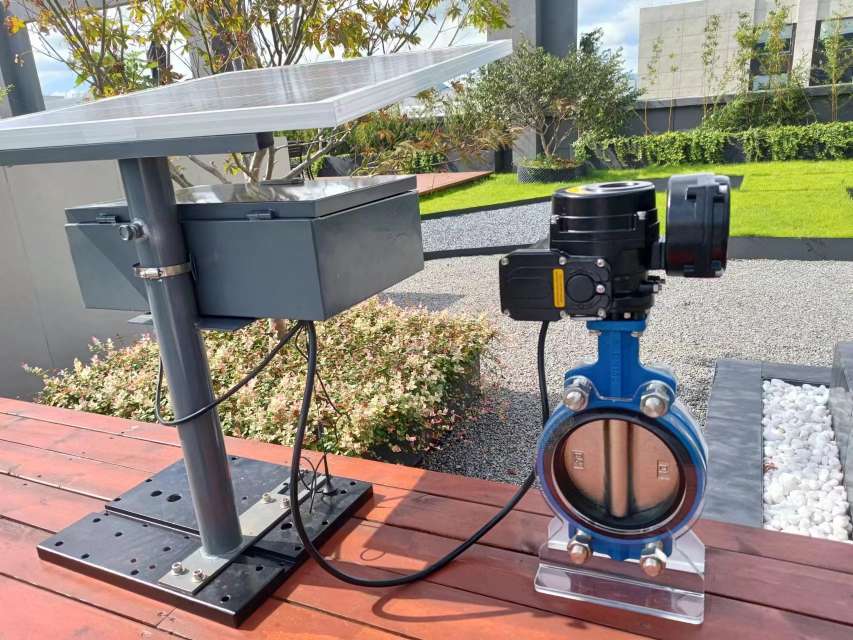
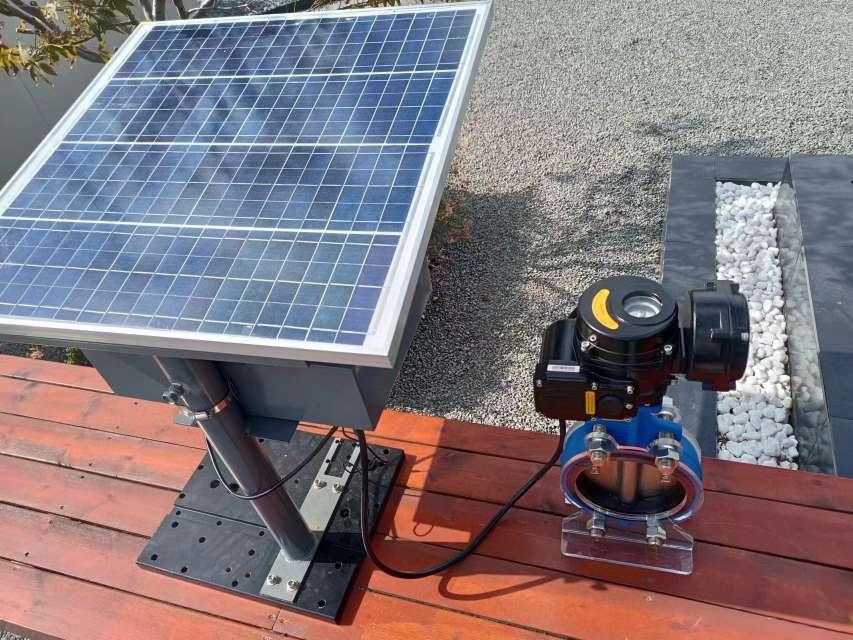
At the heart of the LBICS-EA lies a lithium battery, known for its high energy density and longevity. Compared to traditional battery technologies such as lead-acid batteries, lithium batteries offer substantial advantages. They can store more energy in a smaller volume, recharge faster, and endure thousands of charge-discharge cycles with minimal degradation. This makes them an ideal choice for powering electric actuators, which are often deployed in remote locations where electricity access can be limited. The second key component is the solar power system. By harnessing the sun’s energy, these actuators can operate independently of the traditional power grid. This capability is particularly beneficial for applications in remote areas such as agricultural fields, forestry, and offshore installations where grid connectivity is a challenge. The ability to self-charge via solar energy significantly reduces operational costs and environmental impact, aligning with the global push towards sustainability.