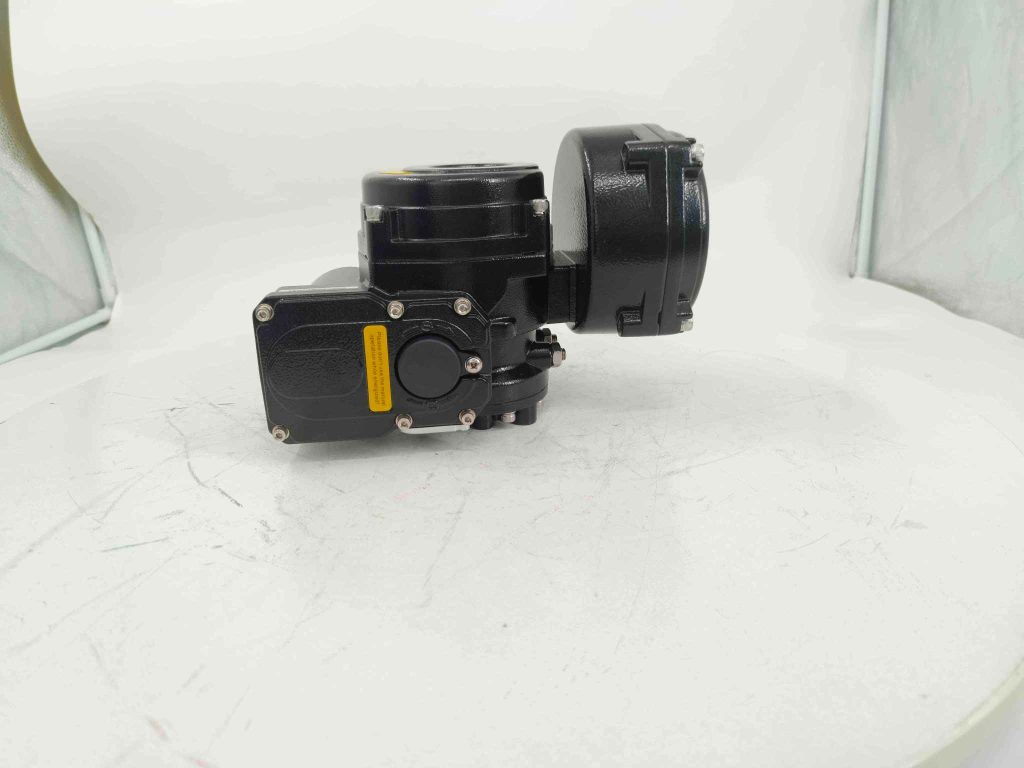
In the industrial landscape, where safety is paramount, explosion-proof electric actuators play a crucial role. These actuators are specifically designed to operate in potentially explosive environments, such as those found in the chemical, oil and gas, and pharmaceutical industries. This article aims to explore the fundamentals of explosion-proof electric actuators, their applications, and the future prospects of this technology.
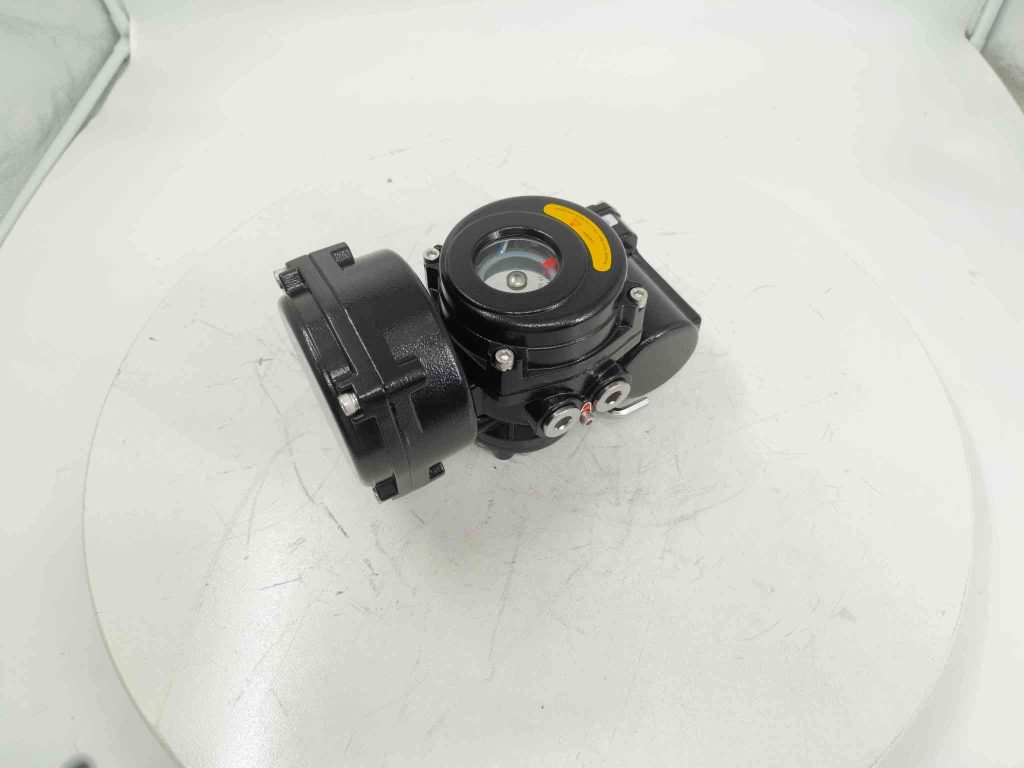
The Need for Explosion-Proof Electric Actuators
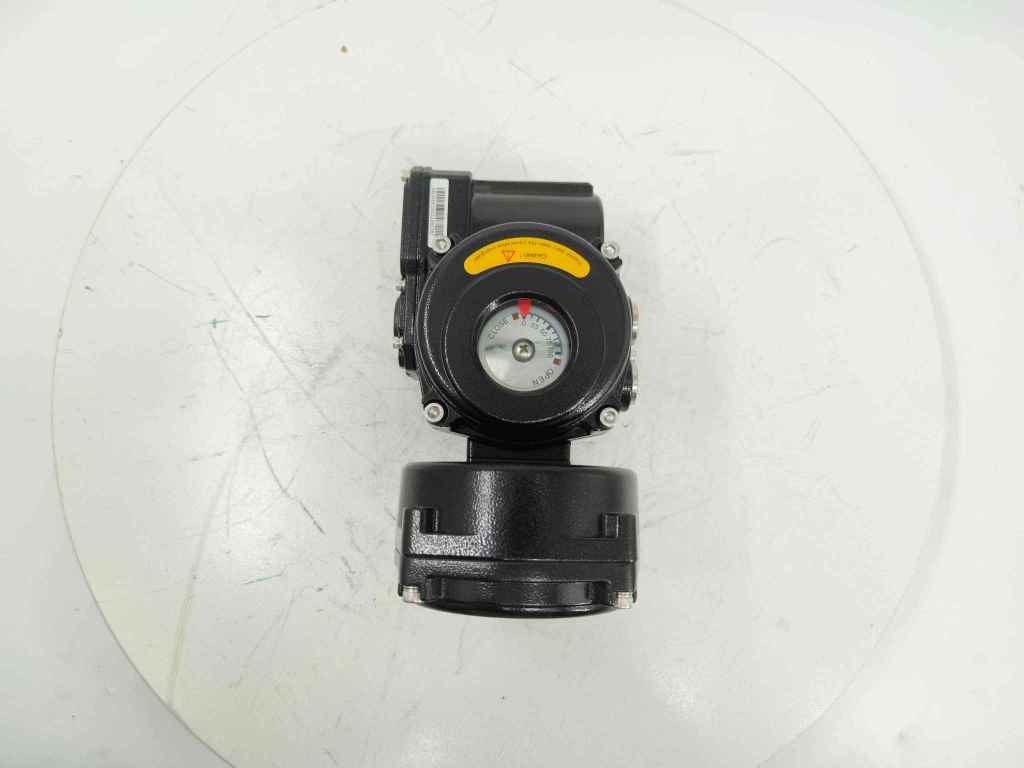
The significance of explosion-proof electric actuators cannot be overstated. In industries where flammable gases, vapors, dust, or fibers are prevalent, any spark or ignition source can trigger a potentially catastrophic explosion. Therefore, equipment used in these environments must be designed to eliminate any such ignition sources. Explosion-proof electric actuators are designed to prevent sparks, overheating, and other potential ignition mechanisms, ensuring safe and reliable operation.
How Do They Work? Explosion-proof electric actuators typically feature a robust enclosure made of cast iron, aluminum, or stainless steel. This enclosure not only protects the internal components from external hazards but also prevents the spread of any internal explosions. The actuators are further equipped with explosion-proof electrical components, such as switches, relays, and motors, which are specifically designed to withstand the rigors of explosive environments.