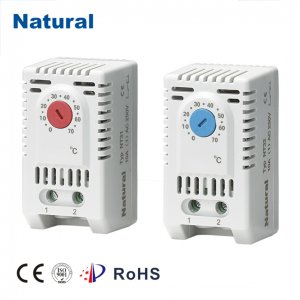
An adjustable mechanical thermostat is an essential component in managing temperature control in various heating and cooling systems. Its simplicity, reliability, and cost-effectiveness make it an appealing choice for both residential and commercial applications. Unlike digital thermostats, which rely on complex circuitry, the mechanical thermostat utilizes straightforward mechanical components to regulate temperature, offering both precision and durability. In this article, we will delve into the working principles, advantages, and applications of adjustable mechanical thermostats, and why they continue to be a popular choice despite the rise of smart home technologies.
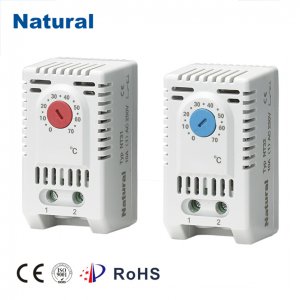
What is an Adjustable Mechanical Thermostat?
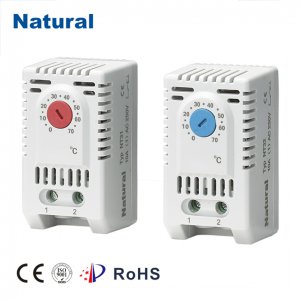
An adjustable mechanical thermostat is a device used to regulate temperature by controlling the flow of heat or cold within a system. It typically features a dial or a lever that allows users to set their desired temperature. The thermostat operates on the principle of thermal expansion—when the temperature changes, the mechanical parts within the device expand or contract, triggering a switch that turns the heating or cooling system on or off. This manual adjustment provides a convenient way for users to maintain a comfortable environment. How Does an Adjustable Mechanical Thermostat Work?