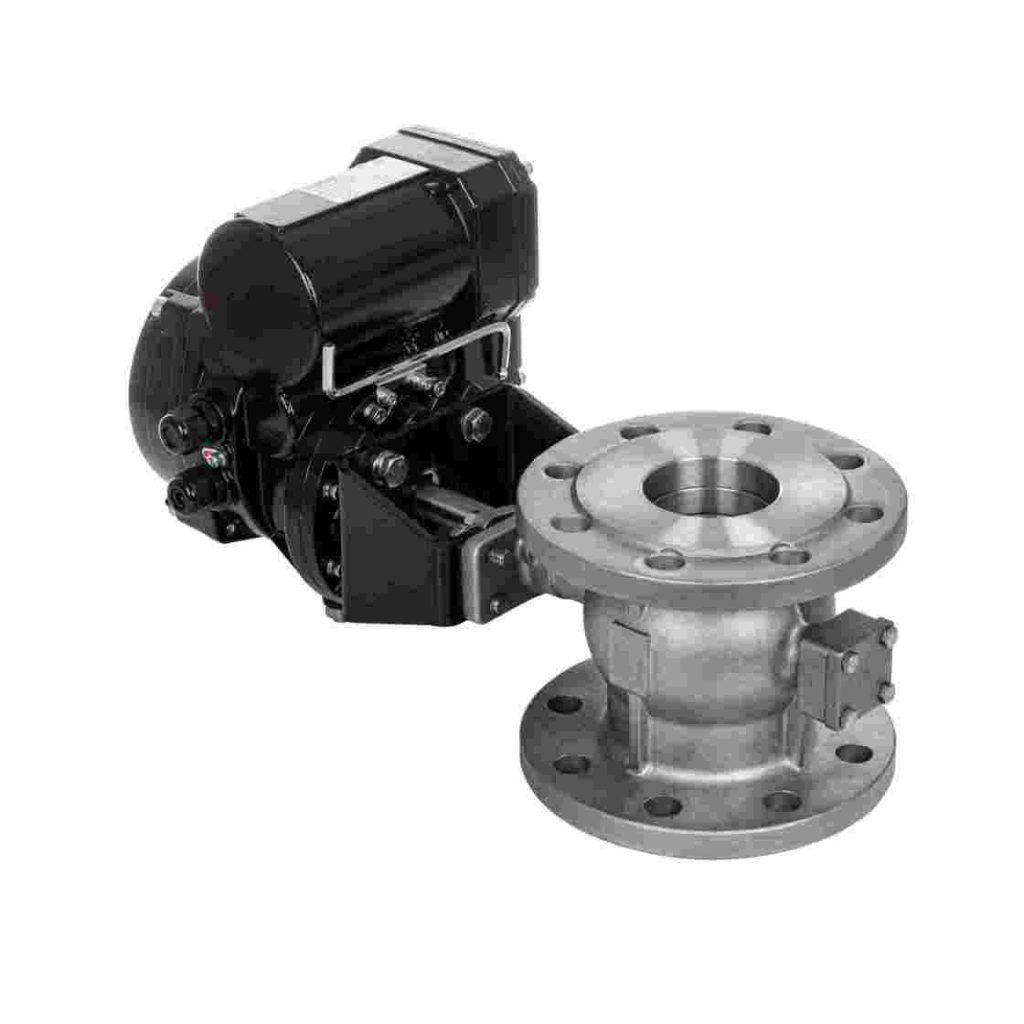
The stainless steel electric ball valve is an essential component in many industrial applications, offering reliability, durability, and efficiency in controlling the flow of various fluids or gases. Combining the robustness of stainless steel with the convenience of electric actuation, these ball valves are revolutionizing automation and process control in industries ranging from oil and gas to chemical production, water treatment, and beyond. In this article, we will delve into the features, advantages, applications, and future trends of stainless steel electric ball valves.
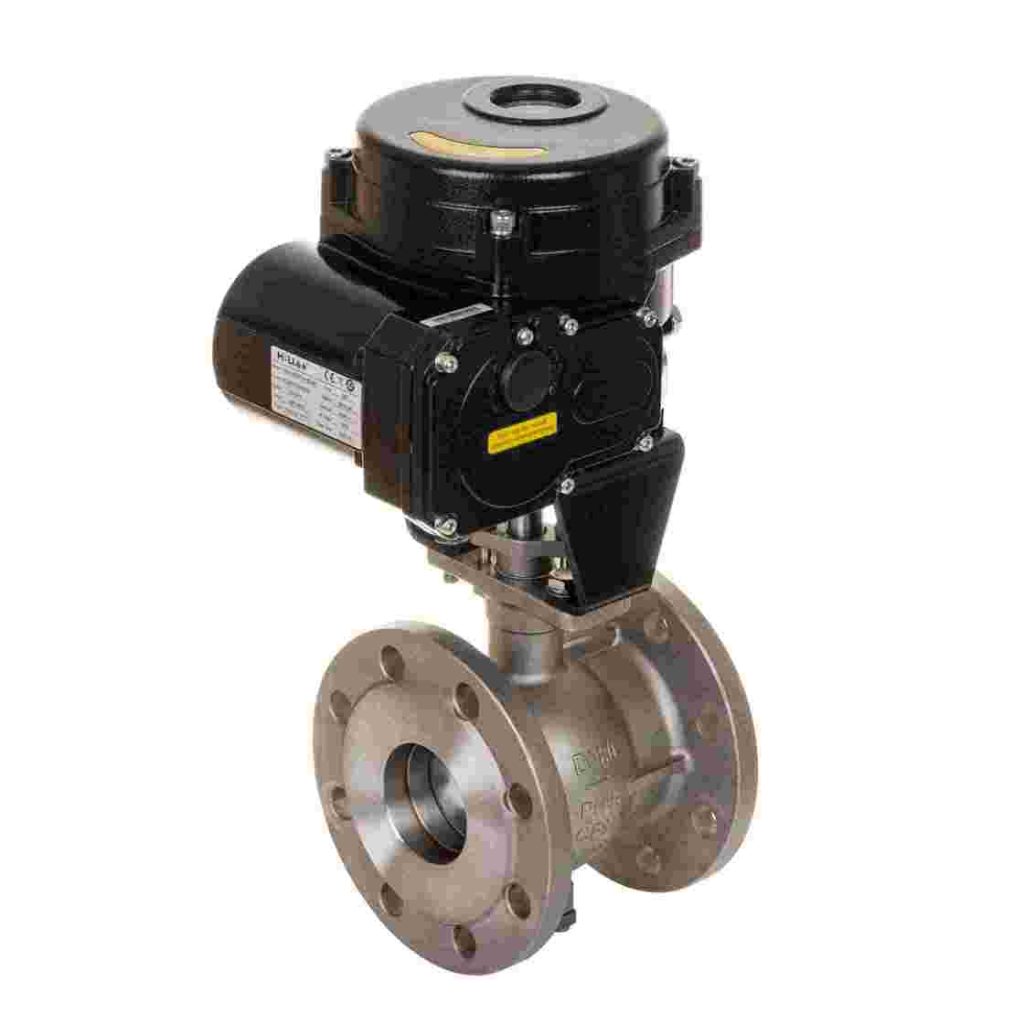
What is a Stainless Steel Electric Ball Valve?
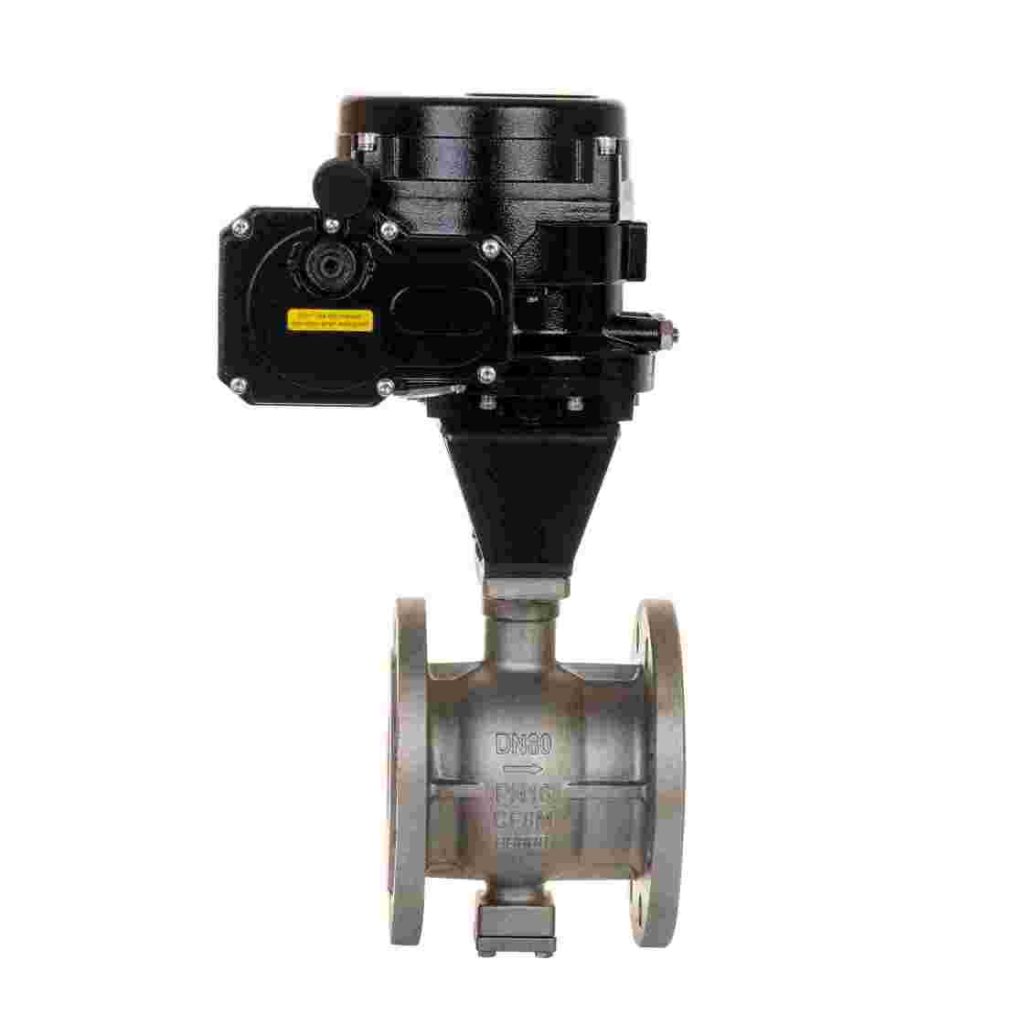
A stainless steel electric ball valve consists of a ball with a hole or port through its center, mounted inside a valve body. The valve is typically controlled by an electric actuator, which allows for automatic opening and closing of the valve. The valve’s body and ball are made of stainless steel, a material known for its excellent resistance to corrosion, high temperatures, and mechanical stress. This makes stainless steel electric ball valves particularly suitable for harsh environments where traditional valves might fail. Features of Stainless Steel Electric Ball Valves Corrosion Resistance: Stainless steel is widely recognized for its corrosion-resistant properties, especially when exposed to harsh chemicals, high humidity, or extreme weather conditions. This ensures the longevity and durability of the valve, even in aggressive working environments.