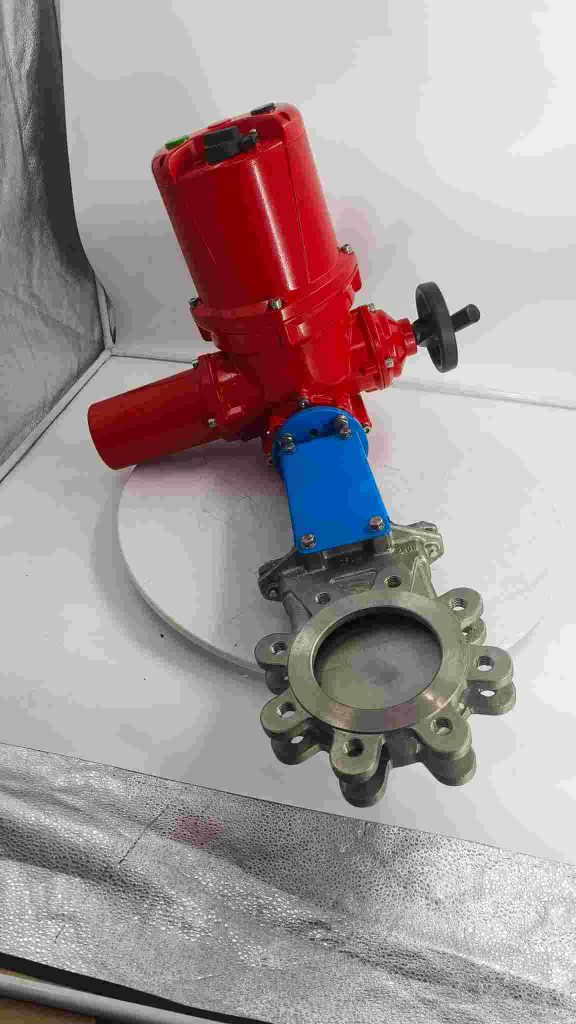
Stainless steel electric gate valves are essential components in many industrial applications, providing precise control over the flow of fluids and gases in a wide range of systems. Combining the strength and corrosion resistance of stainless steel with the convenience and efficiency of electric control, these valves offer reliable performance in demanding environments. This article will explore the features, advantages, and common applications of stainless steel electric gate valves, highlighting their importance in today’s automated systems.
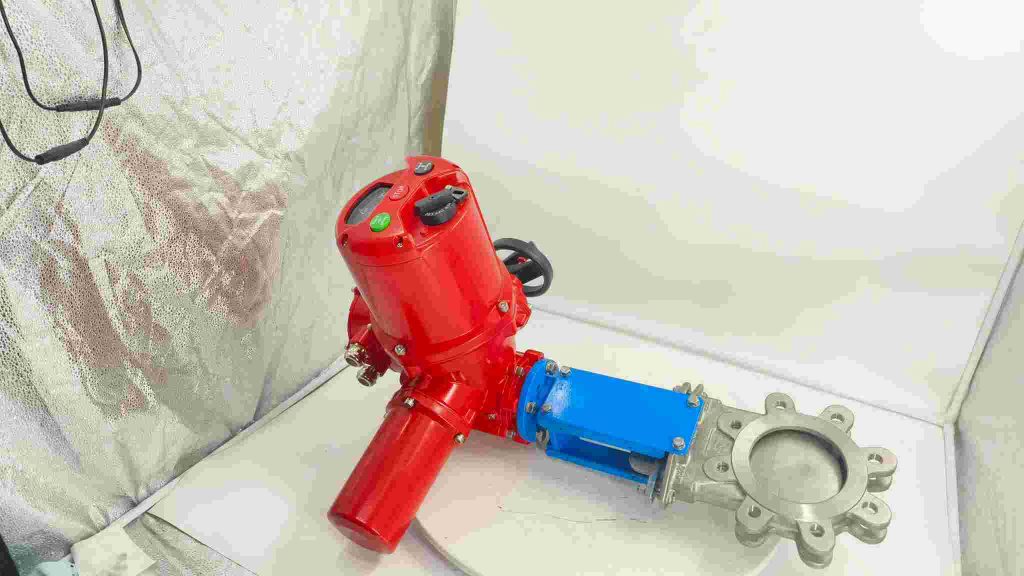
What is a Stainless Steel Electric Gate Valve?
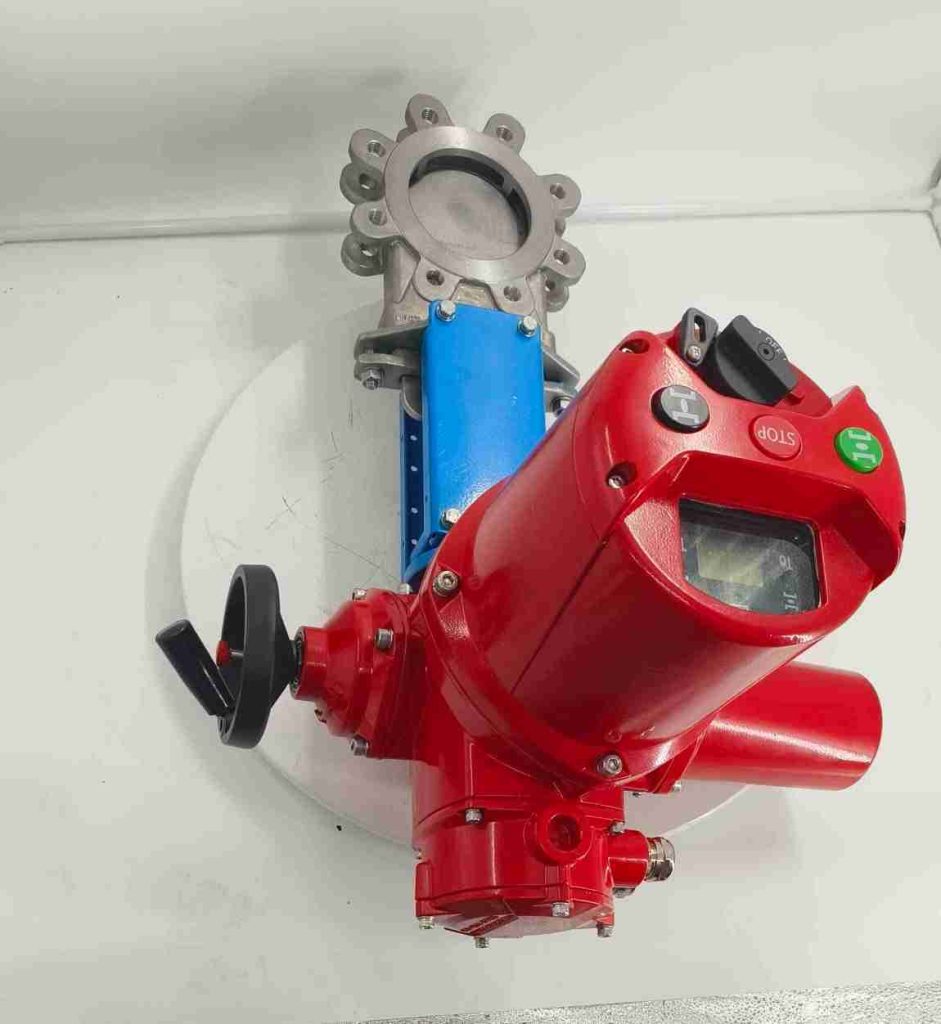
A stainless steel electric gate valve is a type of valve that uses an electric actuator to open or close the valve’s gate, which controls the flow of fluids or gases within a pipeline. The valve’s gate operates in a linear motion, rising or lowering to allow or block the flow. The electric actuator, which is typically powered by electricity, replaces manual operation, enabling remote or automated control. These valves are made of high-quality stainless steel, typically 304 or 316 grades, which provides excellent corrosion resistance and durability. Stainless steel’s properties make these valves suitable for harsh environments, including those with high temperatures, pressures, and corrosive substances.