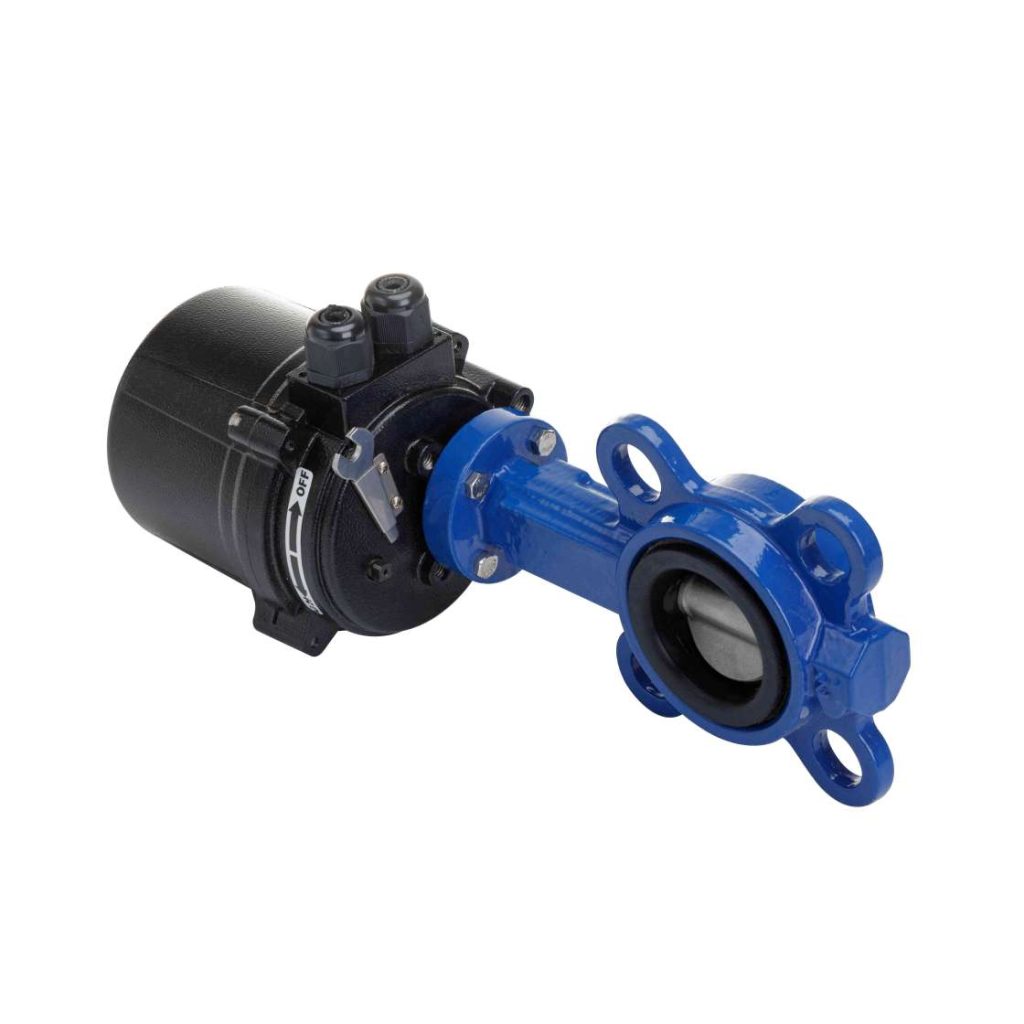
In the field of agricultural irrigation, effective water management is crucial to ensure optimal crop growth while conserving precious resources. One of the key components in this process is the control of water flow, which is often achieved through the use of valves. Among these, the stainless steel electric butterfly valve stands out as an essential tool for modern agricultural irrigation systems. Known for its durability, reliability, and efficiency, this valve is a critical element in water control systems, ensuring that irrigation operates smoothly and effectively. In this article, we will explore the benefits of stainless steel electric butterfly valves in agricultural irrigation, focusing on the contribution of HeLi Automation in advancing the technology.
The Importance of Water Flow Control in Agriculture
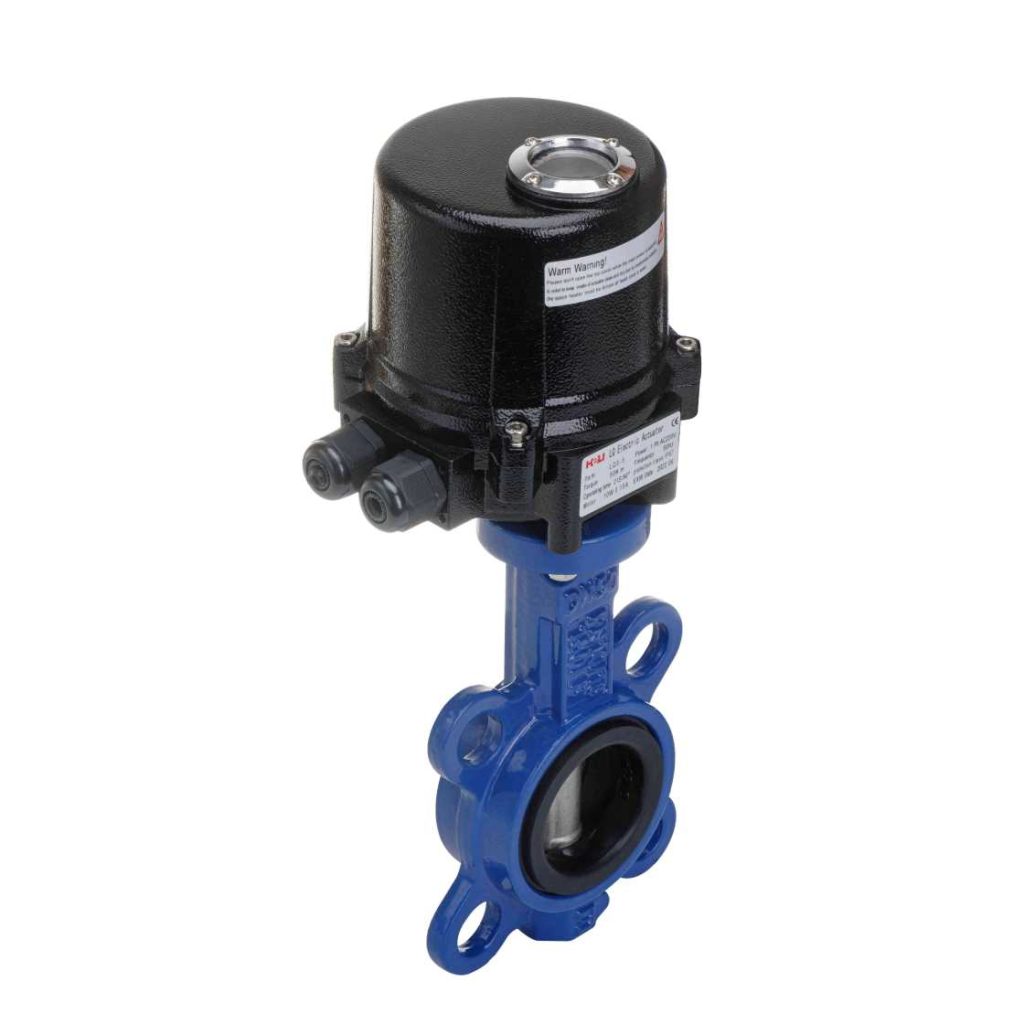
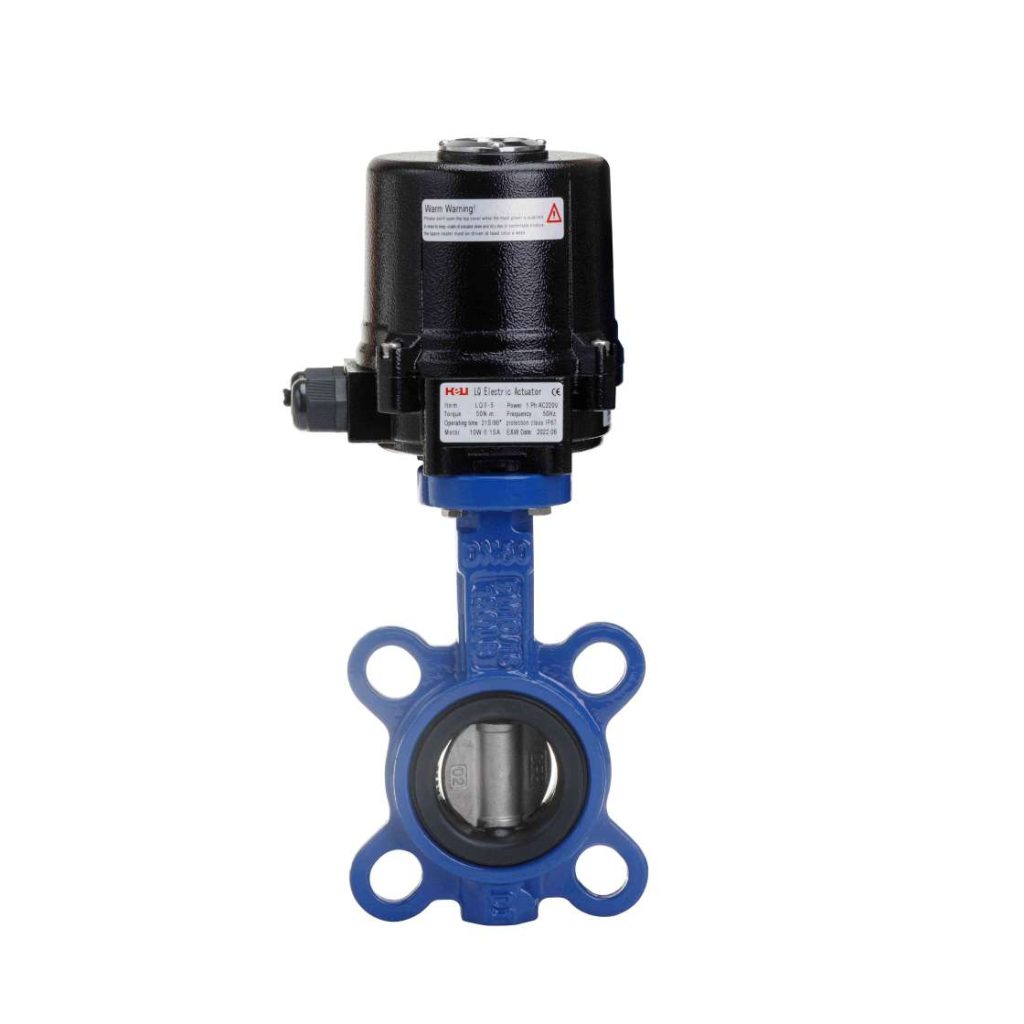
Water is the most vital resource in agriculture, but managing its flow efficiently can be a challenge, especially in large-scale irrigation systems. Traditional methods of water management often involve manual labor or less precise mechanical valves, which can result in inefficiencies, water wastage, or inadequate water distribution. To address these issues, farmers have turned to more sophisticated technology, such as the stainless steel electric butterfly valve, to automate and optimize water flow control. What is a Stainless Steel Electric Butterfly Valve? A stainless steel electric butterfly valve is a type of valve that uses a circular disc (the butterfly) to regulate the flow of water or other fluids. It is operated electronically, allowing for remote control and precise adjustments. The valve is typically made of stainless steel, a material that offers excellent resistance to corrosion, making it highly suitable for agricultural environments where exposure to water, chemicals, and weather elements is frequent.