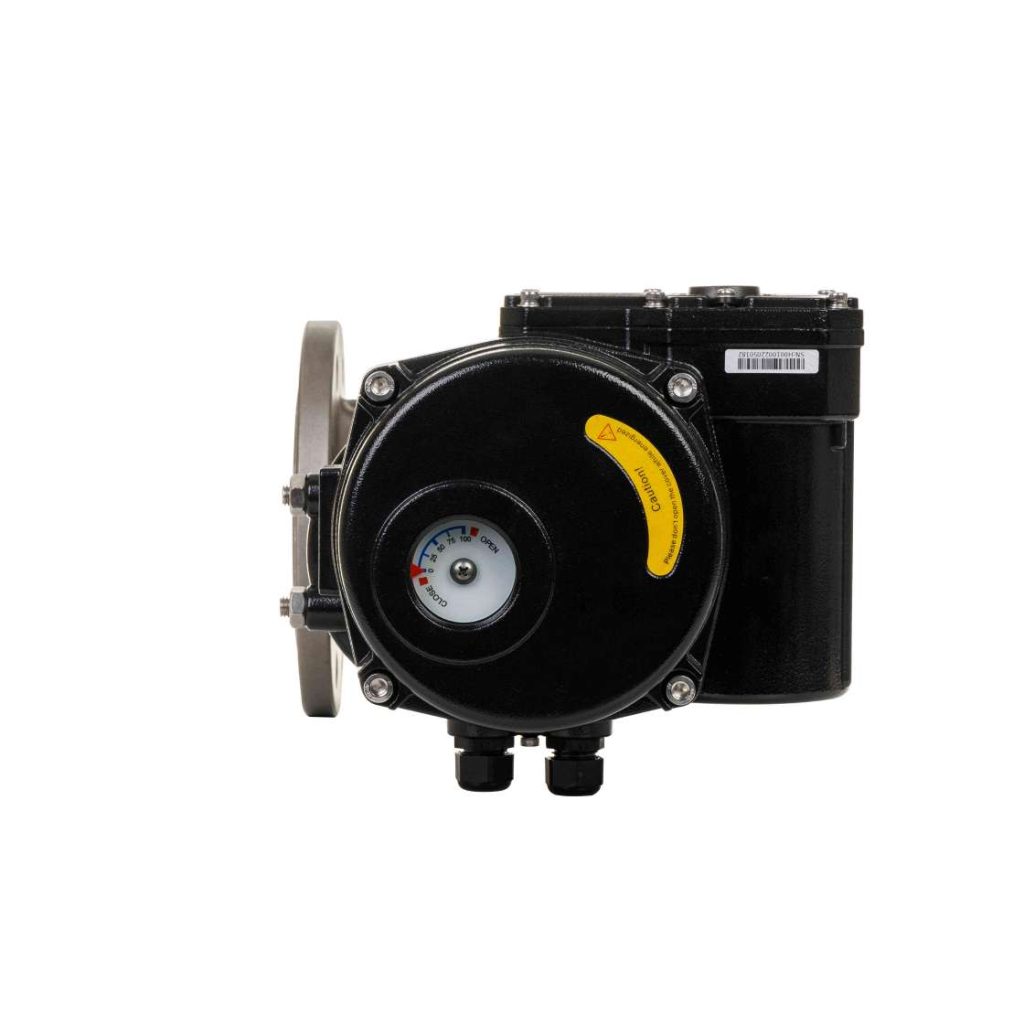
In industrial automation and various engineering fields, the importance of safety and reliability cannot be overstated. One of the key components that contribute to maintaining these qualities is the power-off reset valve. This device plays a critical role in ensuring that systems remain stable and safe during power outages or failures, preventing unwanted leaks, and facilitating automatic recovery when power is restored. In this article, we will explore the function, benefits, and applications of the power-off reset valve, and why it has become indispensable in modern industrial systems.
What is a Power-off Reset Valve?
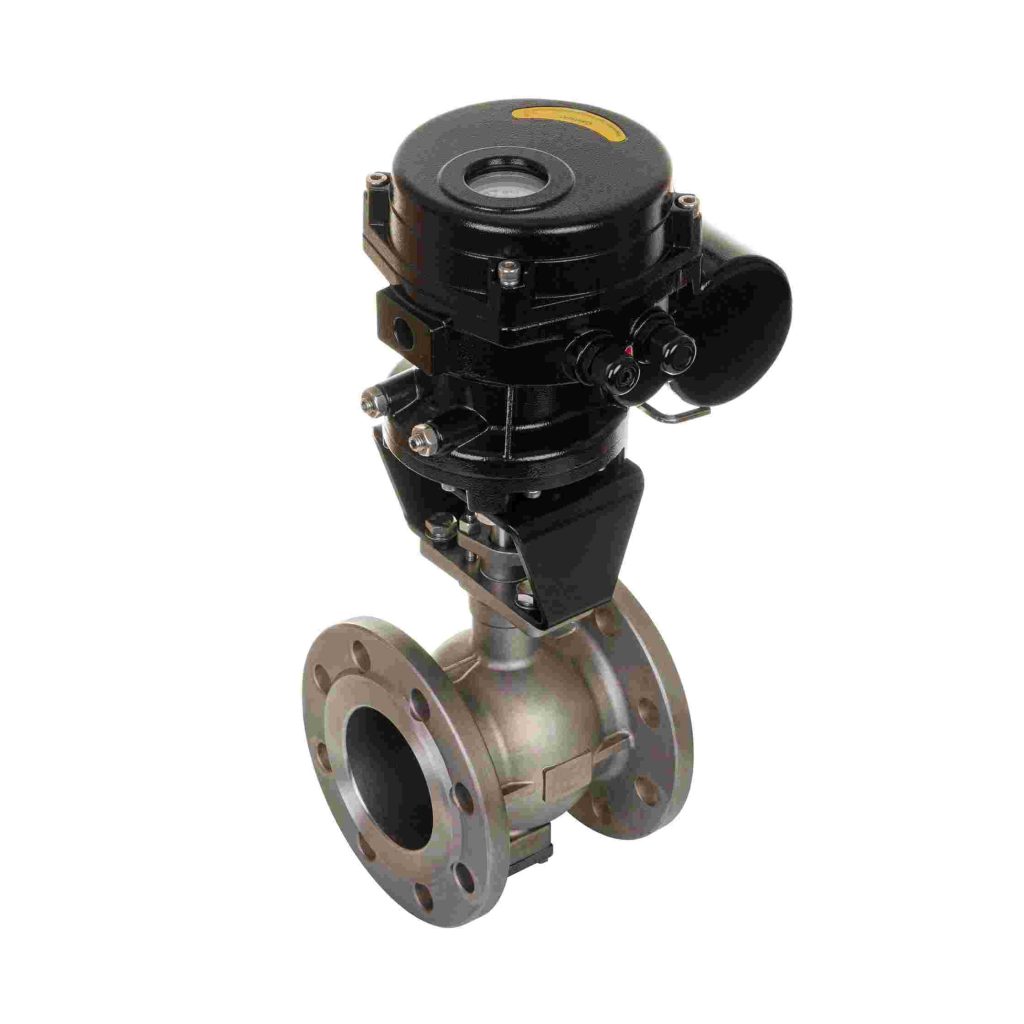
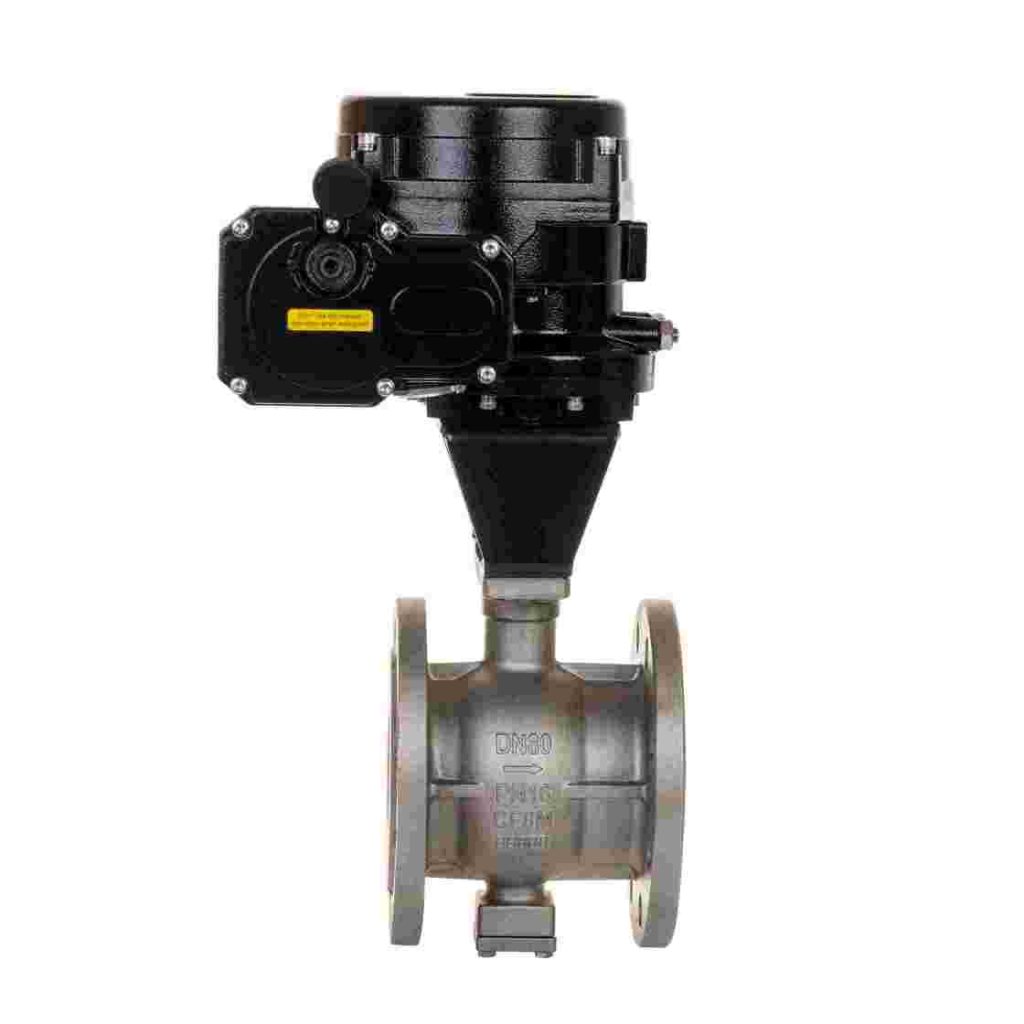
A power-off reset valve is a type of valve that automatically resets to a predefined position when the power supply is lost or disrupted. Typically, it either closes or opens depending on the system’s requirements to prevent potential hazards. This functionality is vital in systems where fluid or gas flow needs to be regulated, and sudden changes can lead to safety risks, such as leaks or pressure surges. Unlike standard valves, which require manual intervention or external systems to reset after power loss, the power-off reset valve is designed to return to its original position without requiring human input or external devices. This automatic resetting capability makes it a valuable component in systems that demand high levels of reliability and autonomy.