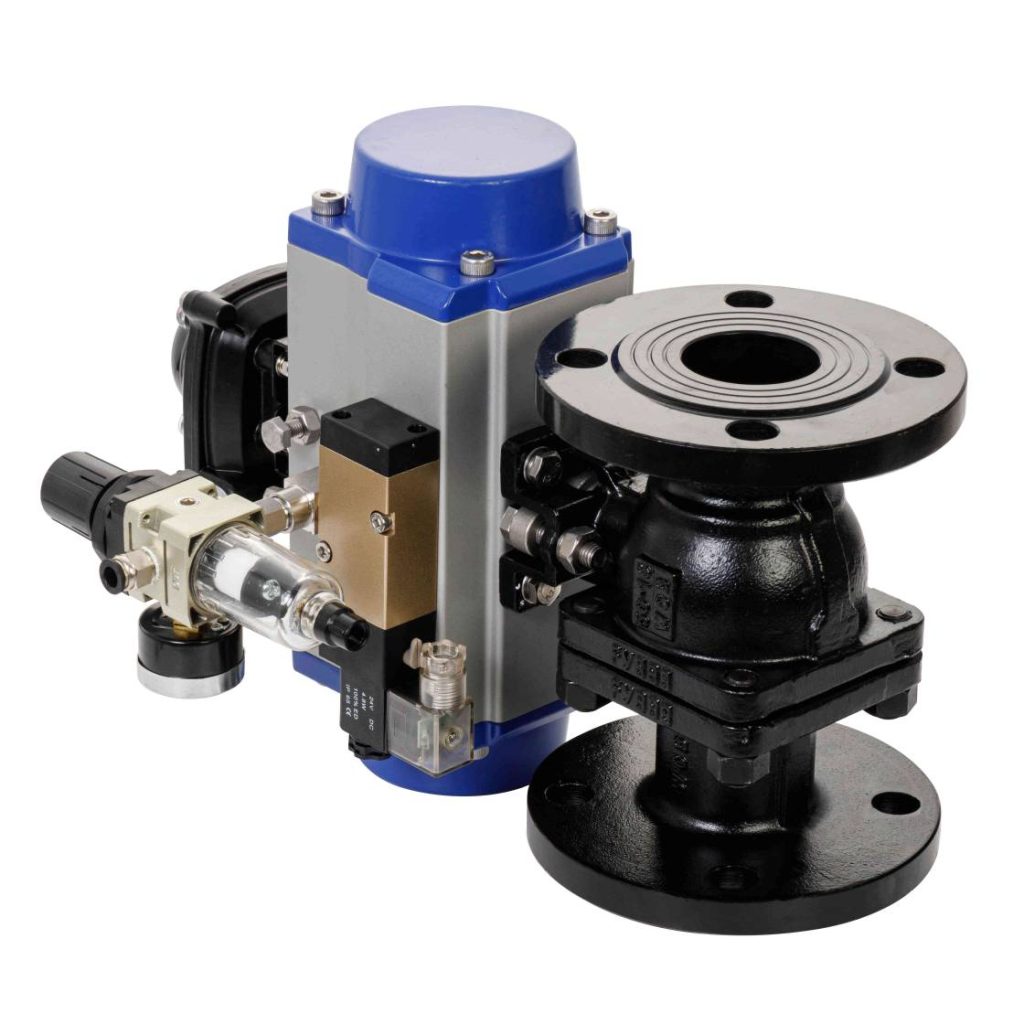
A pneumatic ball valve is a type of valve that uses compressed air to control the opening and closing of the valve, making it an essential component in various industries. With its unique ability to offer precise control and fast operation, pneumatic ball valves are widely used in systems that require reliable fluid or gas regulation. This article will delve into the key features, benefits, working principles, and applications of pneumatic ball valves, highlighting why they are an integral part of modern industrial processes.
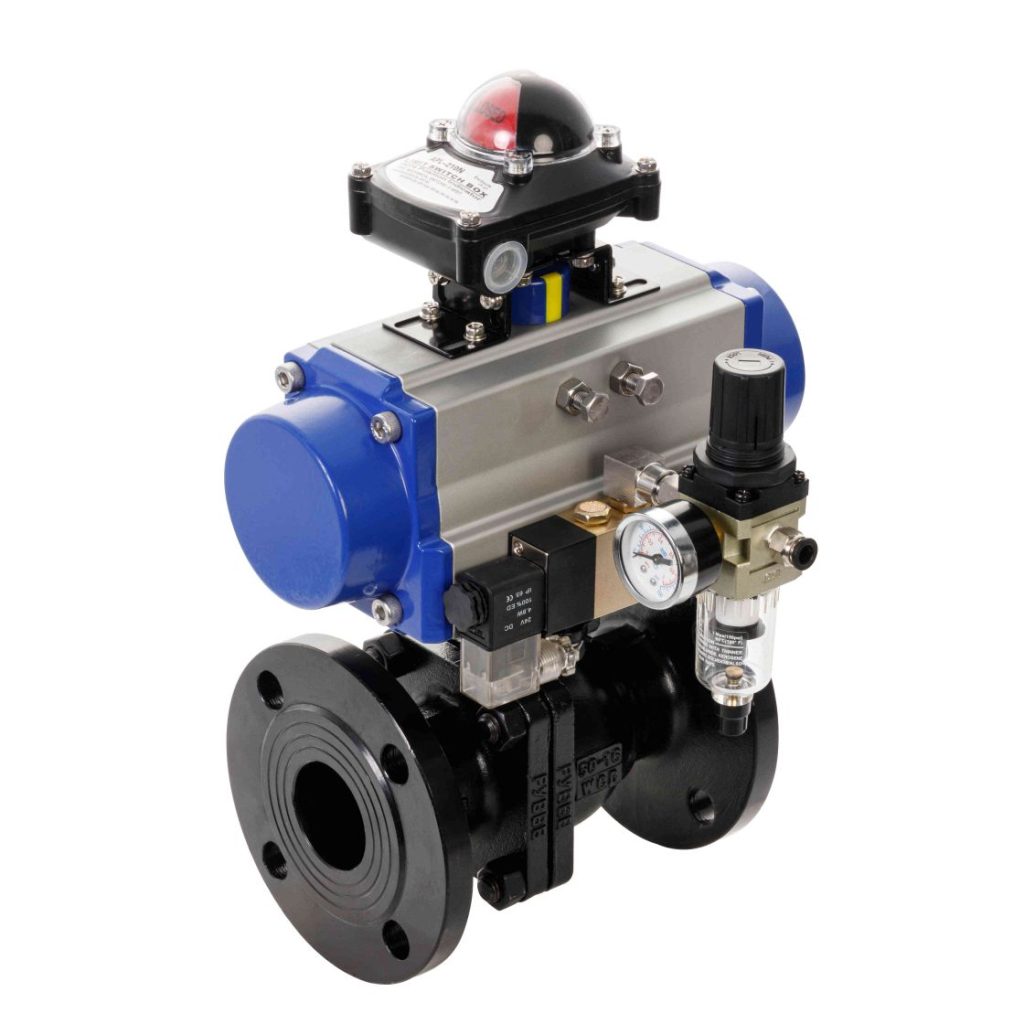
1. Introduction to Pneumatic Ball Valves
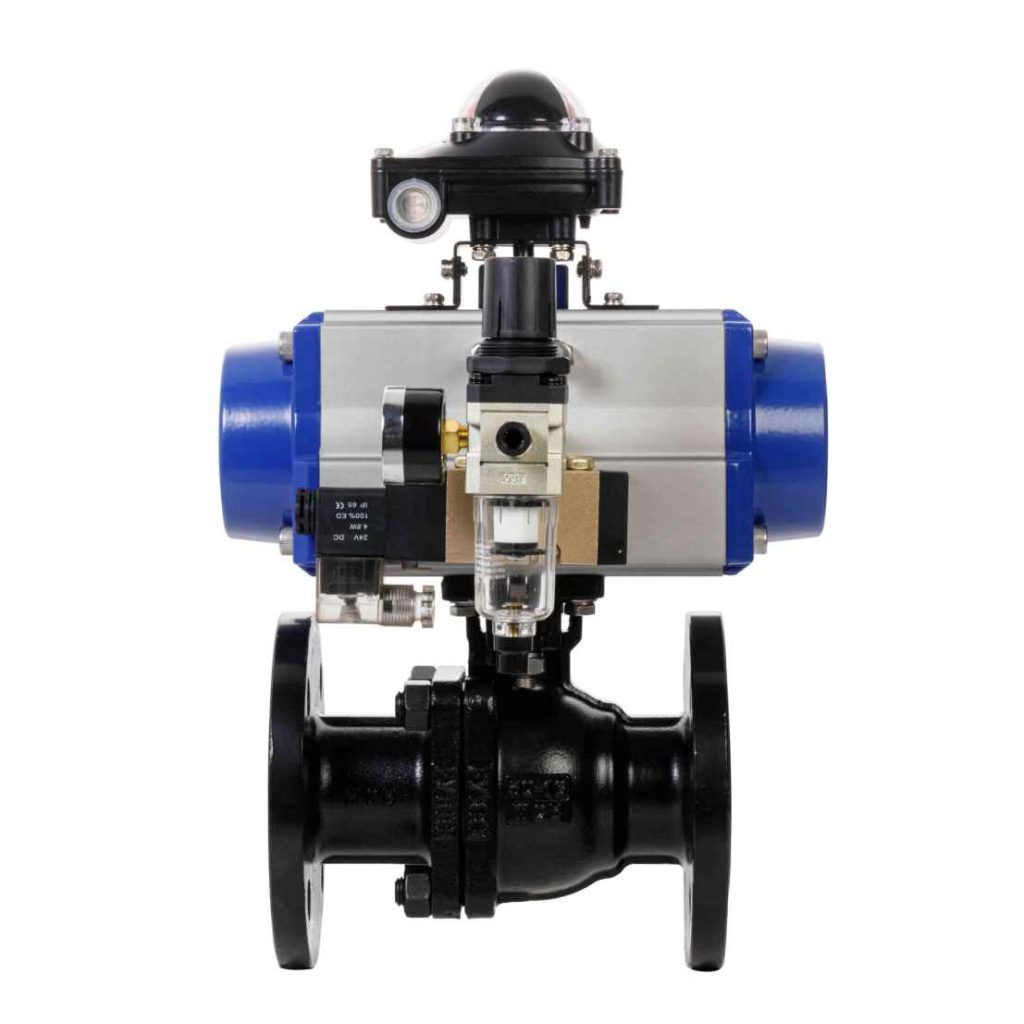
Pneumatic ball valves are a specific type of quarter-turn valve that uses air pressure to operate the valve’s actuator. The actuator, typically a diaphragm or piston, is powered by compressed air to rotate the valve’s ball inside. The ball has a hole (or port) through its center, and when the valve is open, the flow of fluid or gas passes through this hole. When the valve is closed, the ball rotates so that the port is perpendicular to the flow direction, effectively stopping the flow. These valves offer several advantages, including quick response times, high reliability, and the ability to operate in hazardous environments where electric actuators may pose a safety risk.