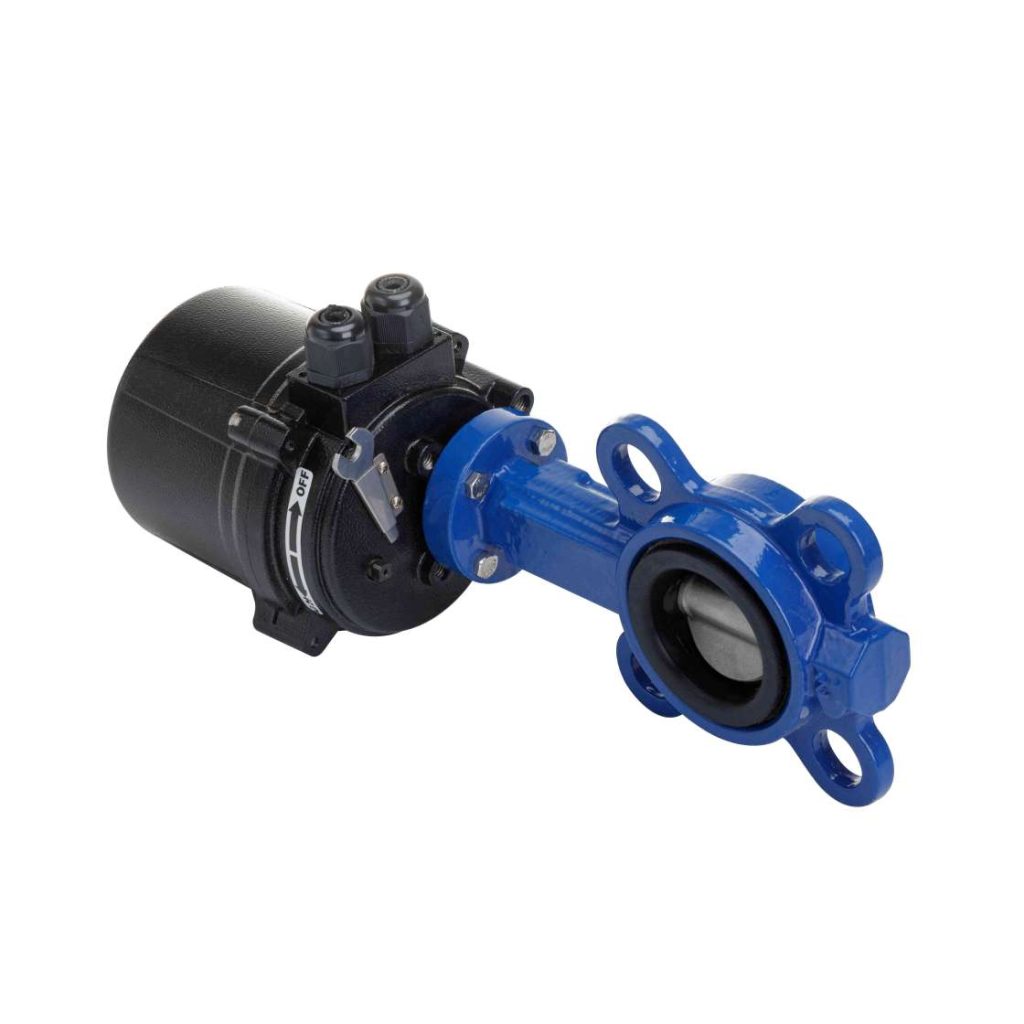
In the modern landscape of agricultural practices, effective water management has become paramount. With the increasing need for sustainable irrigation solutions, farmers and agricultural engineers are turning to advanced technologies to optimize water use. Among these innovations, the WCB Electric Butterfly Valve stands out as a pivotal component in agricultural irrigation systems. This article delves into the features, applications, and advantages of the WCB Electric Butterfly Valve, emphasizing its significance in efficient irrigation.
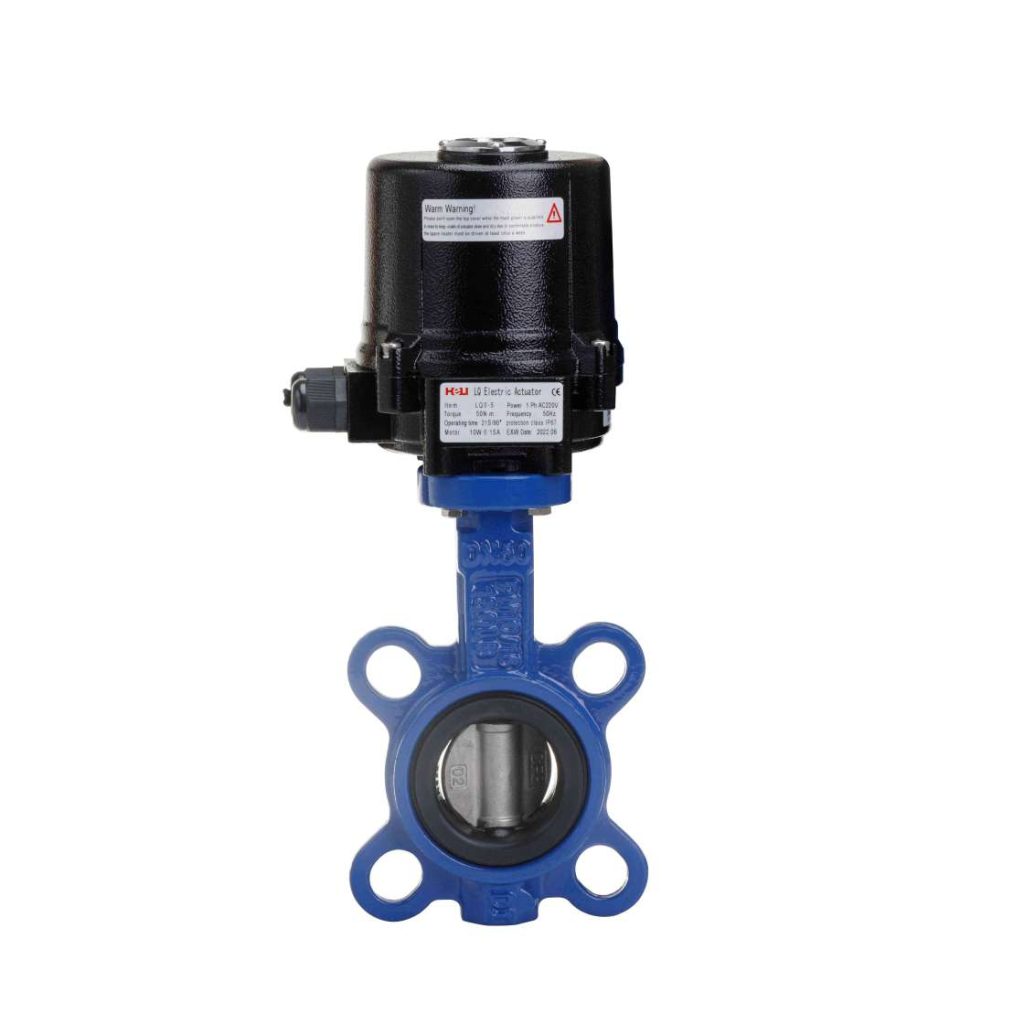
Understanding the WCB Electric Butterfly Valve
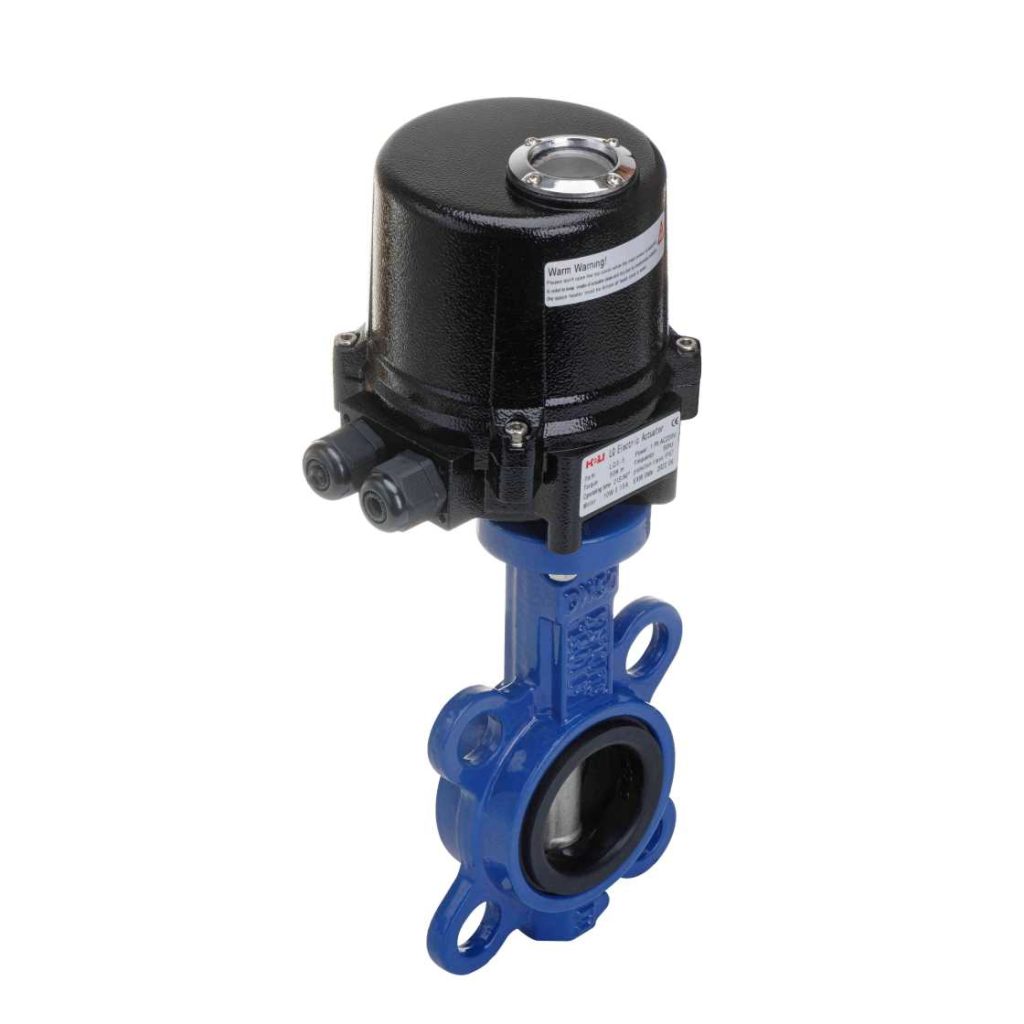
The WCB Electric Butterfly Valve is designed to regulate and control the flow of water within irrigation systems. Its primary function is to facilitate the opening and closing of water flow through a circular disc, known as the butterfly, which is mounted in the center of the pipe. Controlled by an electric actuator, the valve adjusts the position of the disc, thereby regulating the water flow with precision. Key Features Electric Actuation: The integration of electric actuators allows for automated control of the valve, enabling real-time adjustments based on the irrigation system’s requirements. This automation promotes efficiency and reduces labor costs.