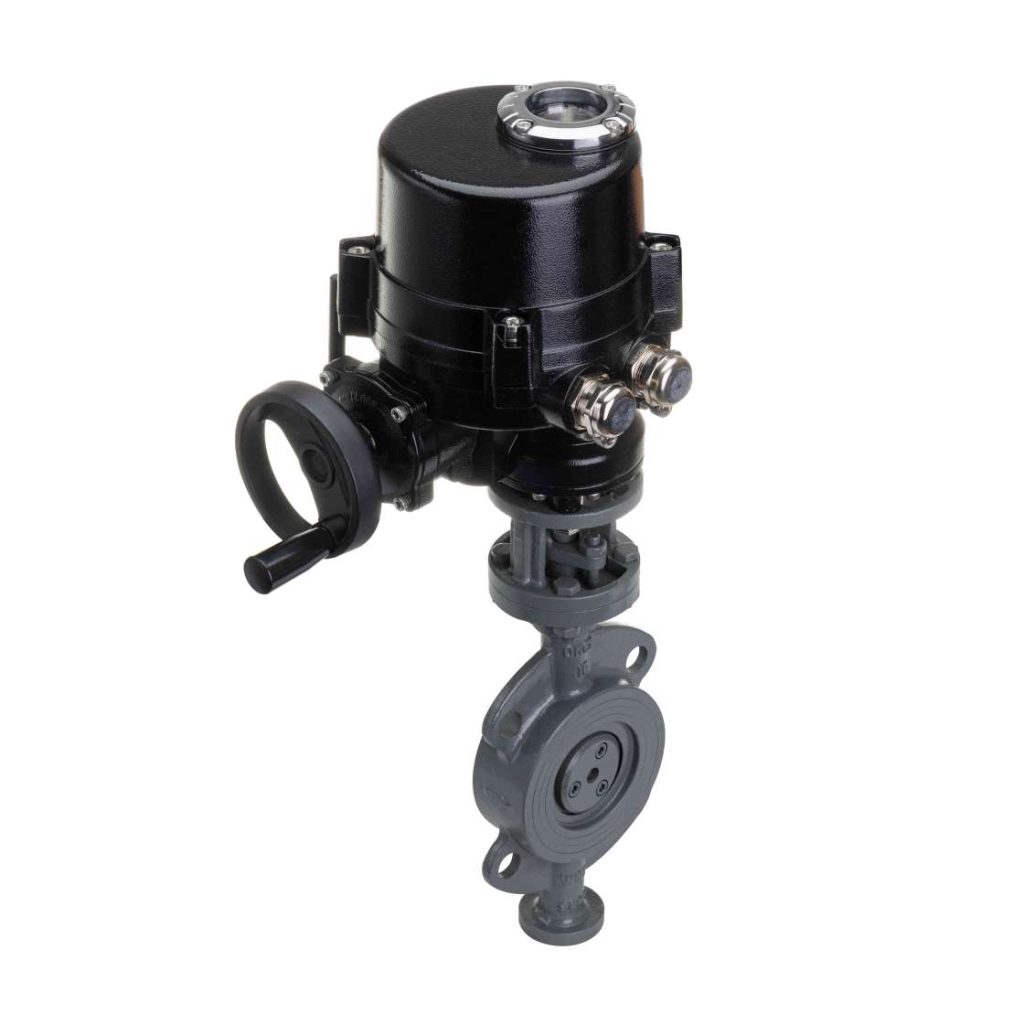
Marine electric butterfly valves are essential components in the marine and offshore industries, designed to regulate the flow of liquids and gases in various applications. Their efficient design, compact size, and reliability make them ideal for controlling fluid dynamics in vessels, platforms, and other marine installations. This article provides an in-depth look at marine electric butterfly valves, including their working principles, applications, advantages, and maintenance considerations.
Working Principles
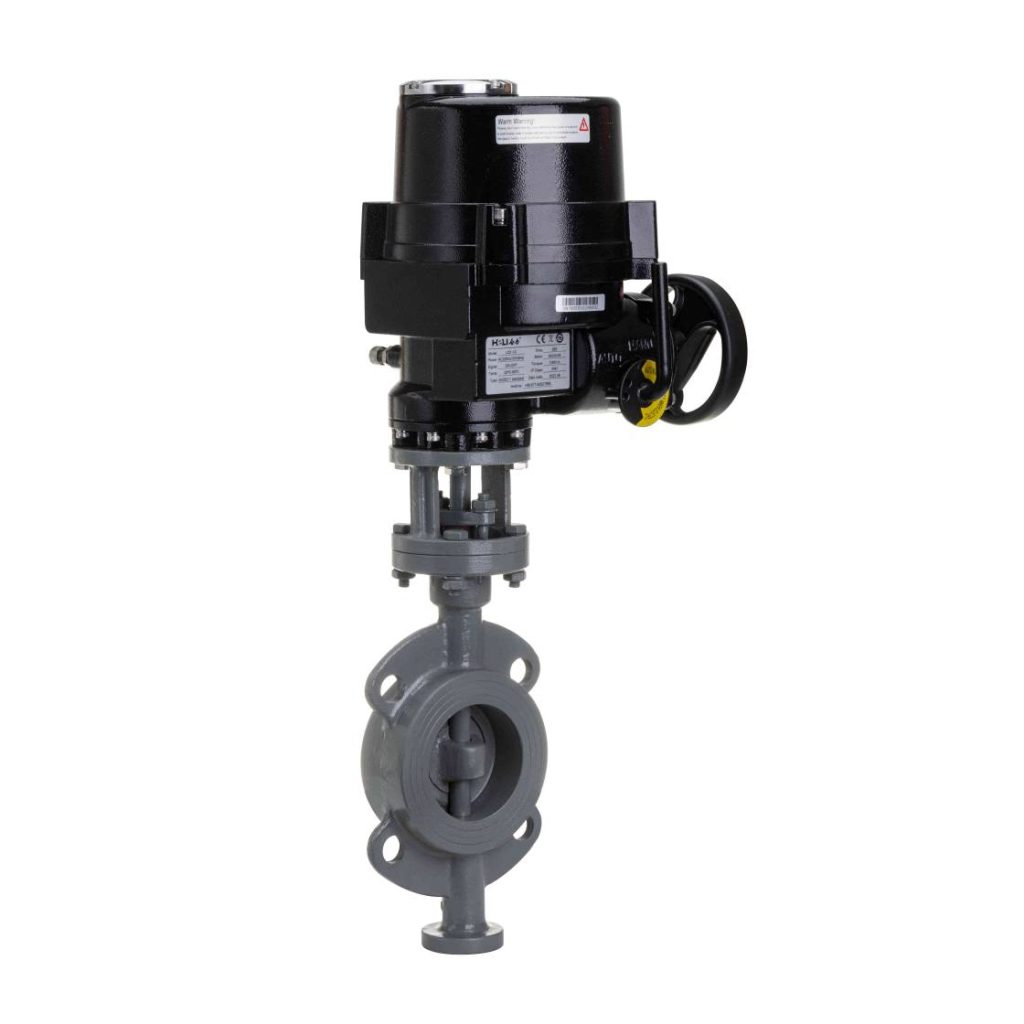
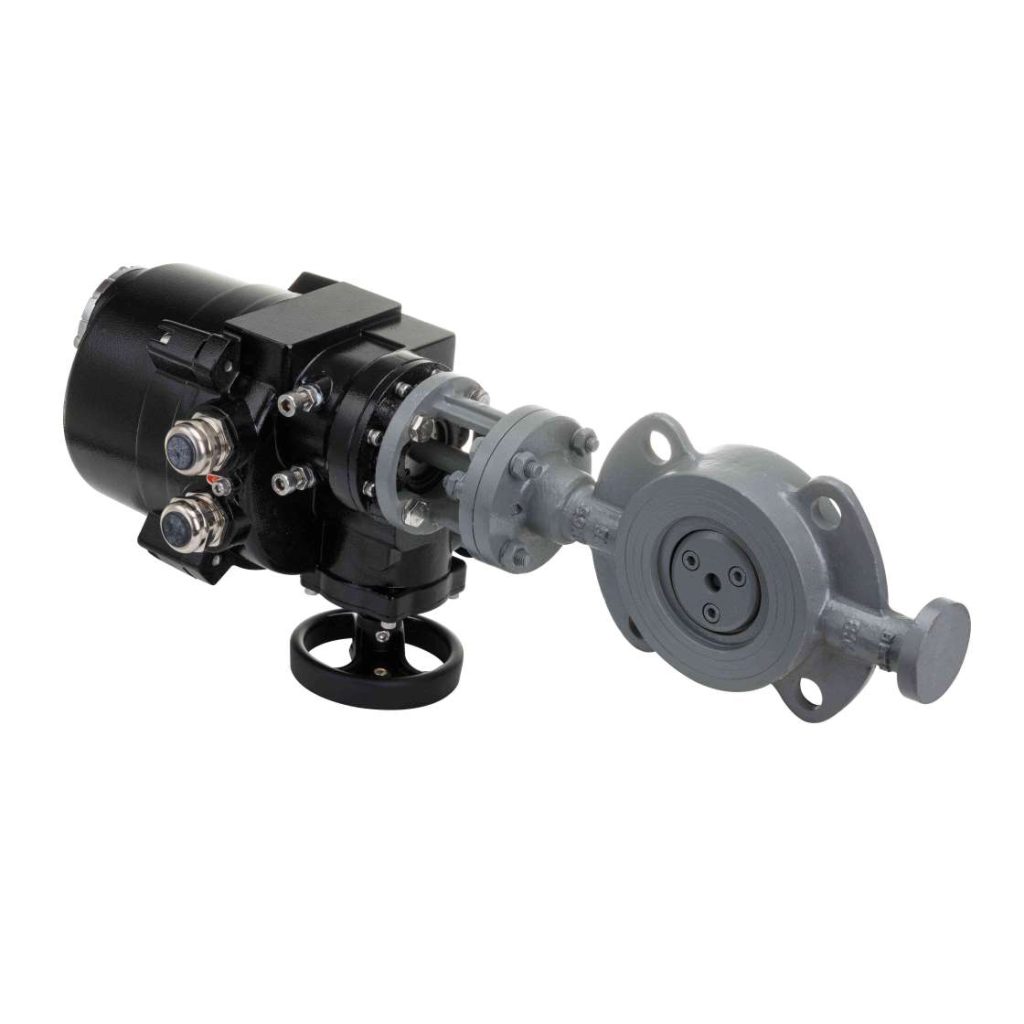
A butterfly valve is a quarter-turn rotational valve that uses a circular disc or vane to regulate flow. In a marine electric butterfly valve, the actuation is powered by an electric motor, allowing for precise control of the valve position. When the motor is activated, it rotates the valve disc either to open or close the flow path. The electric actuator can be programmed for automatic operation or operated manually, depending on the system’s requirements. The electric actuation system typically includes components such as a motor, gear reduction, and limit switches. The motor provides the necessary torque to rotate the valve disc, while the gear reduction helps in achieving the required speed and force. Limit switches ensure that the valve opens and closes fully, preventing damage to the valve or actuator.