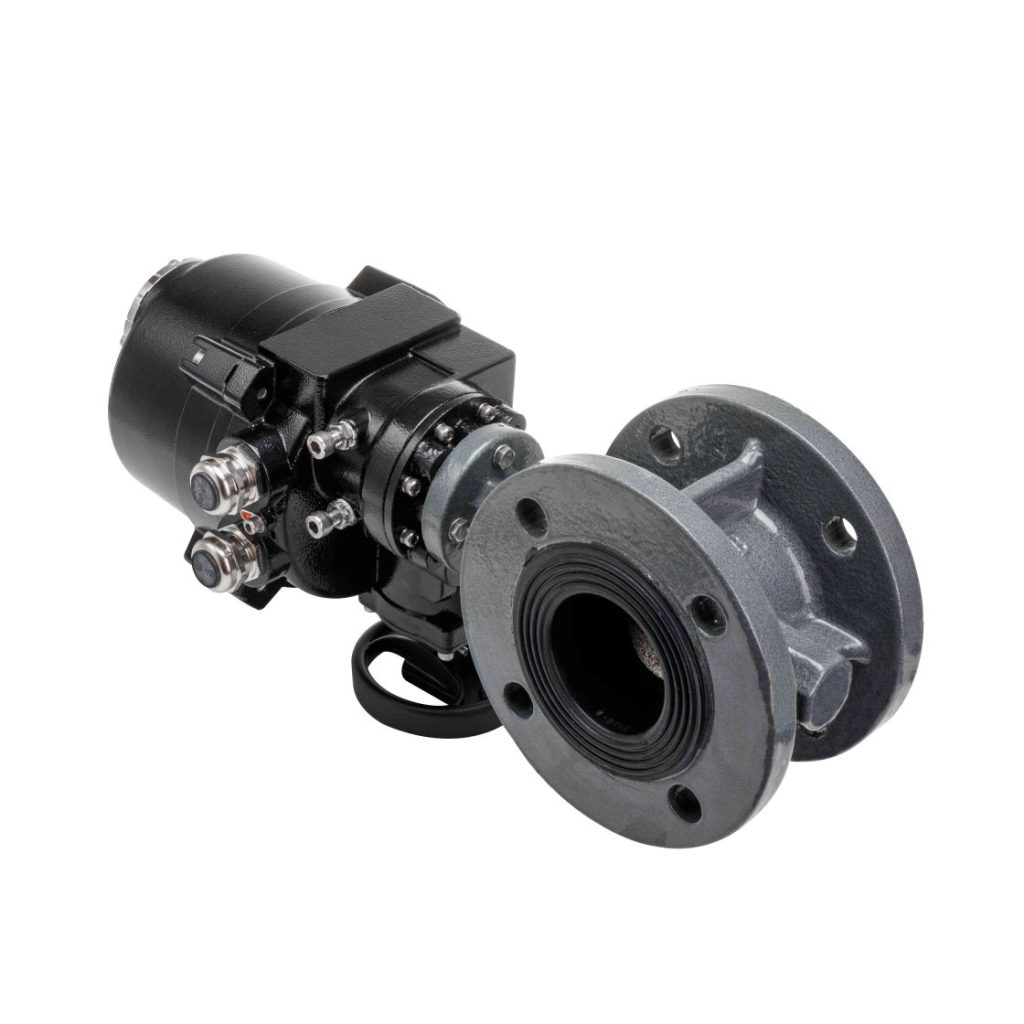
In the modern marine industry, ensuring the efficiency, reliability, and safety of critical systems is paramount. One of the key components in achieving this goal is the marine electric ball valve. These valves are essential for controlling the flow of liquids and gases in the pipes of ships, offshore rigs, and other marine systems. Their ability to handle extreme marine conditions, such as saltwater exposure, temperature fluctuations, and vibrations, has made them an indispensable part of the industry. In this article, we explore the role of marine electric ball valve manufacturers, the technological advancements in valve design, and why choosing the right manufacturer is crucial for marine operations.
What is a Marine Electric Ball Valve?
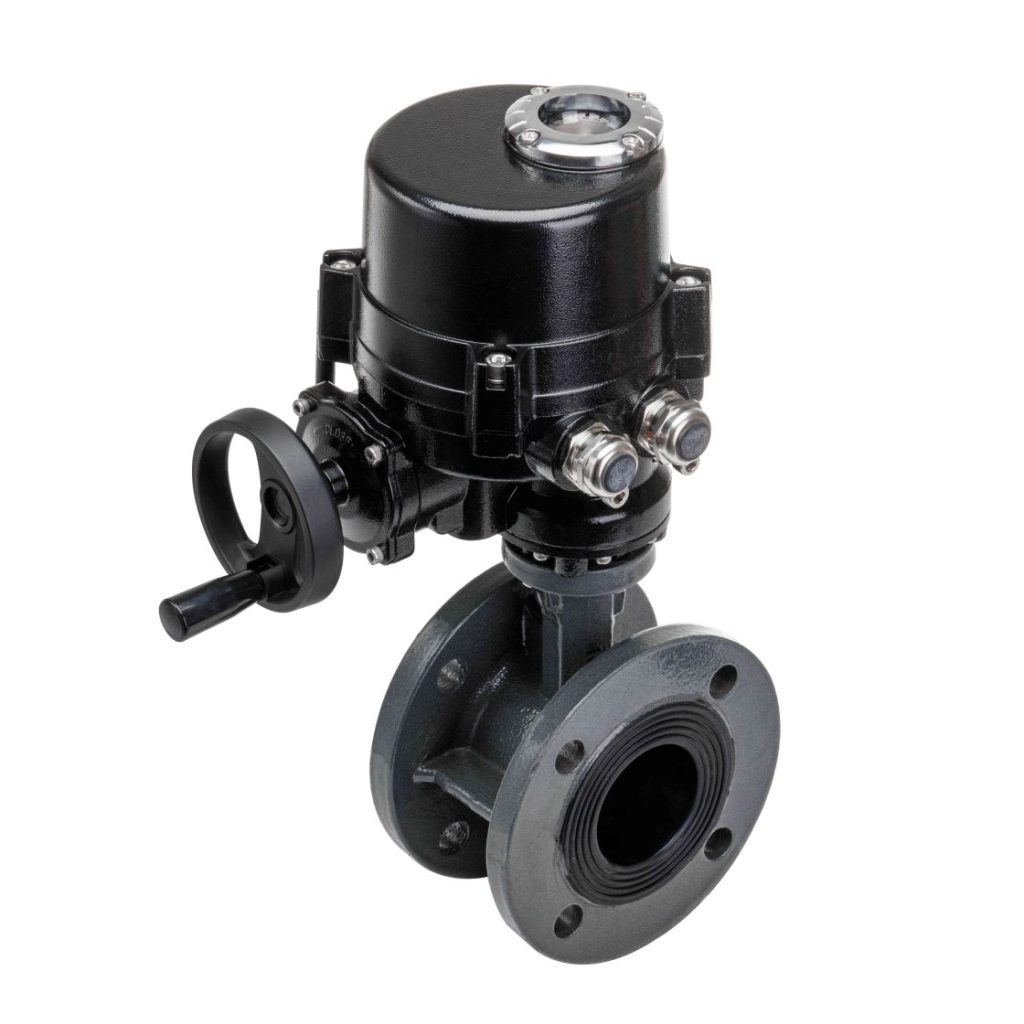
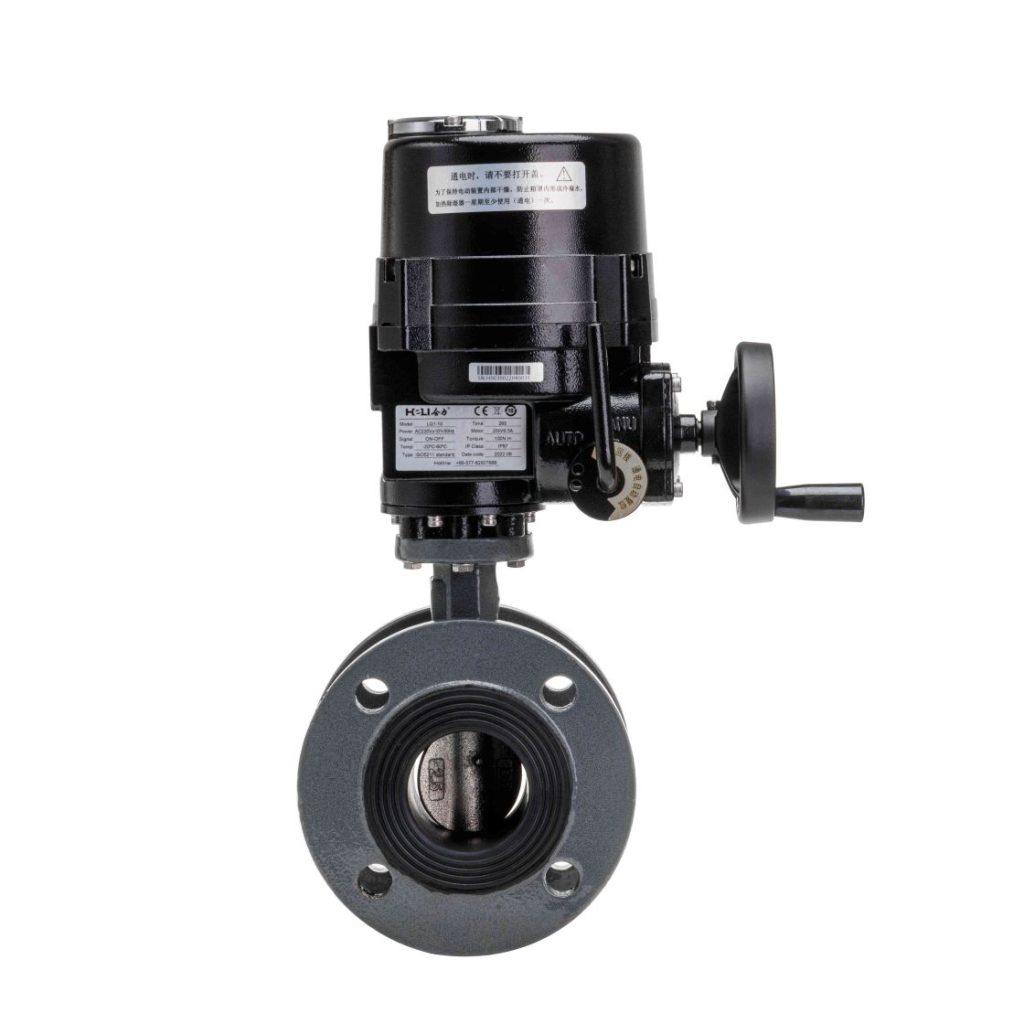
A marine electric ball valve is a type of valve used to control the flow of liquids or gases in a pipeline. It features a spherical disc (the ball) that is rotated to either allow or block flow. The electric actuator, which drives the rotation of the ball, is powered by electricity, providing easy remote control and automation. This makes electric ball valves ideal for applications where manual operation is impractical, such as in the depths of the ocean or in hazardous environments. Marine electric ball valves are designed to withstand the harsh conditions found in marine environments, including constant exposure to saltwater, high pressure, and corrosive elements. To meet these challenges, these valves are typically made from high-grade materials like stainless steel and alloys that resist corrosion and wear. Additionally, their electrical components are designed for maximum durability, often featuring explosion-proof motors, weatherproof enclosures, and anti-corrosion coatings.